
Ultimate Toilet Buying Guide: 9 Expert Tips to Avoid Scams and Select the Perfect Toilet for Your Home
Beginner’s Guide to Choosing a Toilet: 9 Key Points to Avoid Pitfalls
Selecting the wrong toilet can lead to water waste, flushing noise, and stained surfaces, but the most frustrating issues are frequent clogging, part replacements, and bad odors.
This guide covers two parts: toilet selection tips and cleaning methods, explained in detail.
Follow these 9 points to become an expert and avoid being misled.
Clogging isn’t just about drainage—it’s directly affected by pipe material. Rough pipes trap waste and build up scale, gradually narrowing the passage and slowing flow.
When choosing a toilet, opt for one with fully glazed pipes.
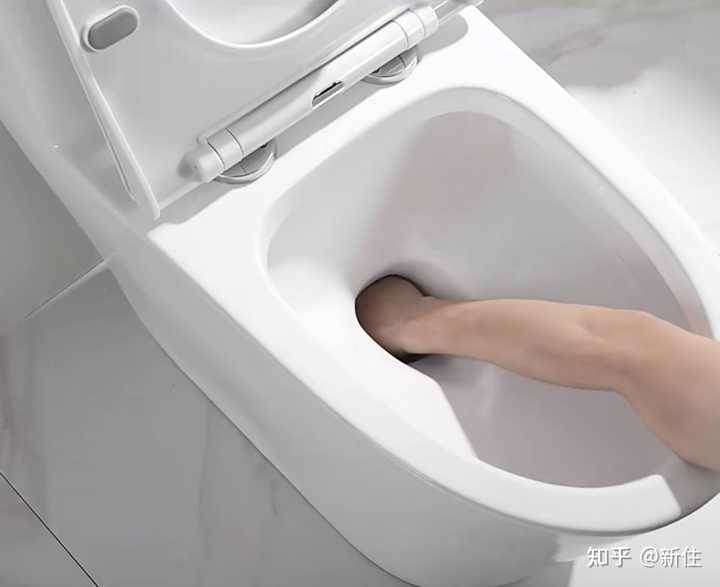
Method: Insert your hand to feel the trapway’s smoothness. If it feels gritty, the S-bend isn’t glazed—avoid it.
The glaze material is crucial. Choose self-cleaning glaze for smooth, non-absorbent, and stain-resistant surfaces.
Test method: Draw with a marker, wait three minutes for it to dry, then wipe. If it comes off easily, it’s self-cleaning glaze.
Toilets fired at 800°C don’t fully vitrify, leading to yellowing and cracks.
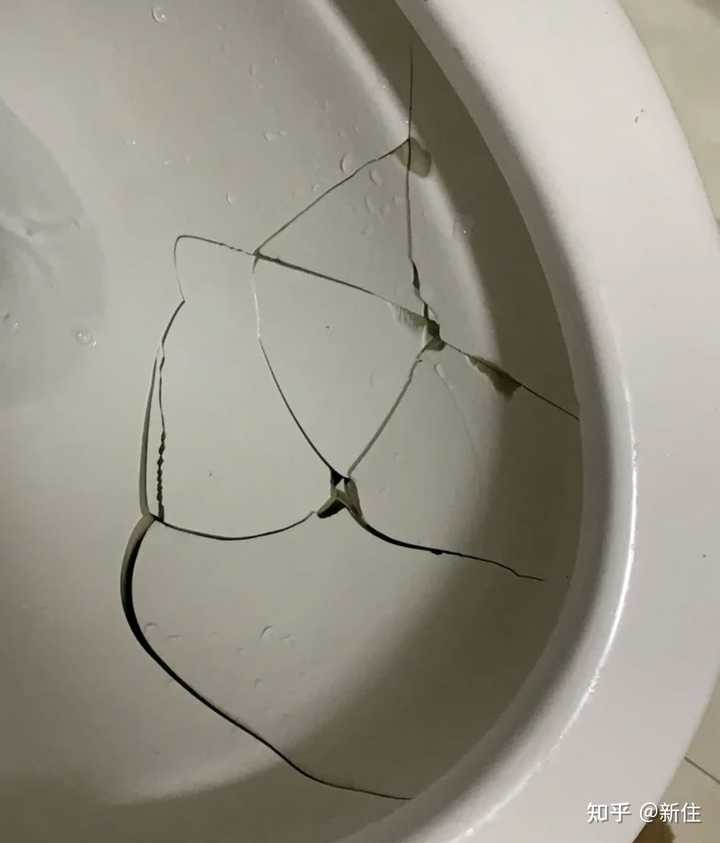
Choose those fired at 1280°C for complete vitrification, smoothness, color resistance, and longer lifespan.
Check method: Shine a flashlight on the glaze—if you see snowflake patterns, it’s high-quality snowflake glaze.
Avoid water seal depths of 70mm to prevent splashing. Too little affects flushing power.

Opt for around 50mm depth to prevent splashing, odors, and backflow.
Check the front discharge diameter and rear S-pipe width. Wider diameters ease waste removal.
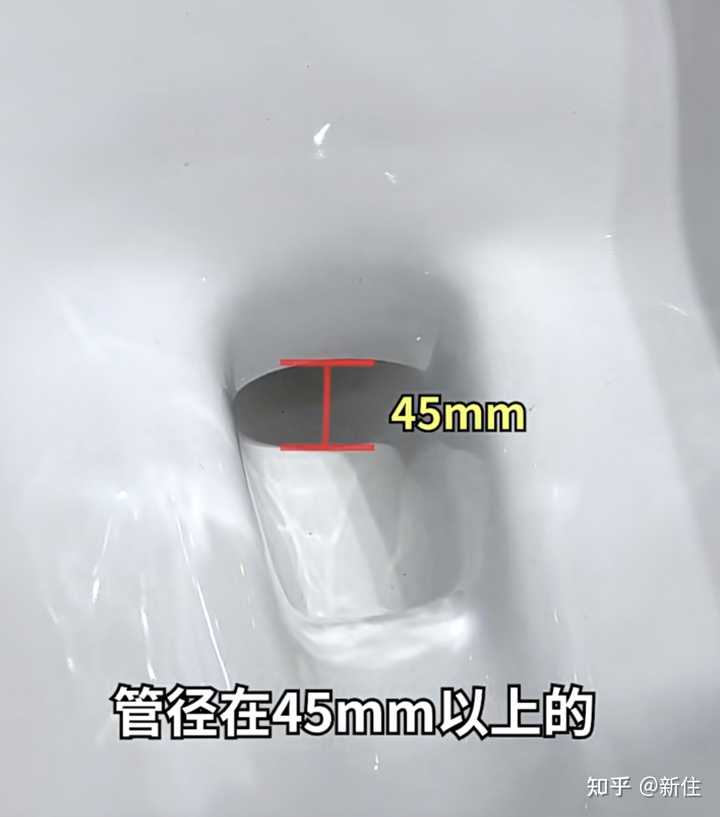
But not too wide—45mm to 60mm is ideal, as overly wide pipes reduce suction.
Heavier toilets indicate denser, finer porcelain. Choose over 100 pounds, not under 80.
Weight method: Lift from a suitable angle or test the lid weight.
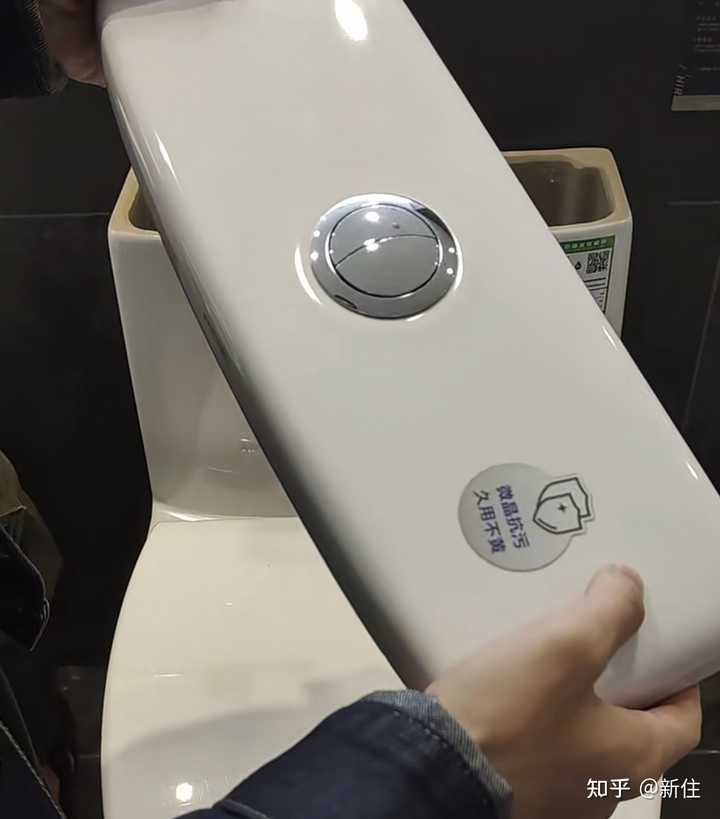
Also, check the lid’s inner color—lighter shades mean purer material. Tap it; a clear sound indicates quality.
For lid material, choose urea formaldehyde for premium, fade-resistant feel, or PP for temperature resilience, cost-effectiveness, and durability, especially in cold climates or for heavier users.
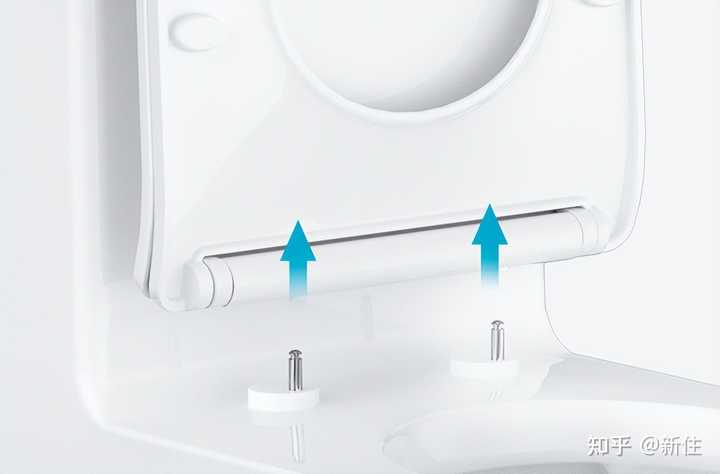
Additionally, select lids with dampers for slow, quiet closing to avoid disturbing sleep.
Choose one-touch removable lids for easy replacement.
Flushing type: Opt for siphon vortex for powerful, thorough cleaning.
Avoid direct flush (noisy, poor odor control) and jet siphon (multiple holes, hard to clean).
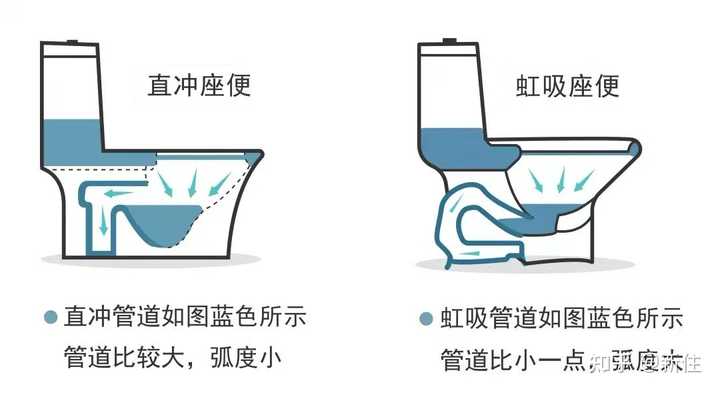
If the toilet has been relocated, direct flush may be the only option.
Look for water efficiency labels: Grade 1 saves water (3.5L small flush, 5L large), Grade 2 uses about 1L more.
Flushing noise should be under 60 dB per standards; good toilets are 40–50 dB.
For water components, check brand, edges for burrs, and ask about warranty.
Method: Press the mechanism—crisp sound, smooth rebound, and good springback indicate durability.
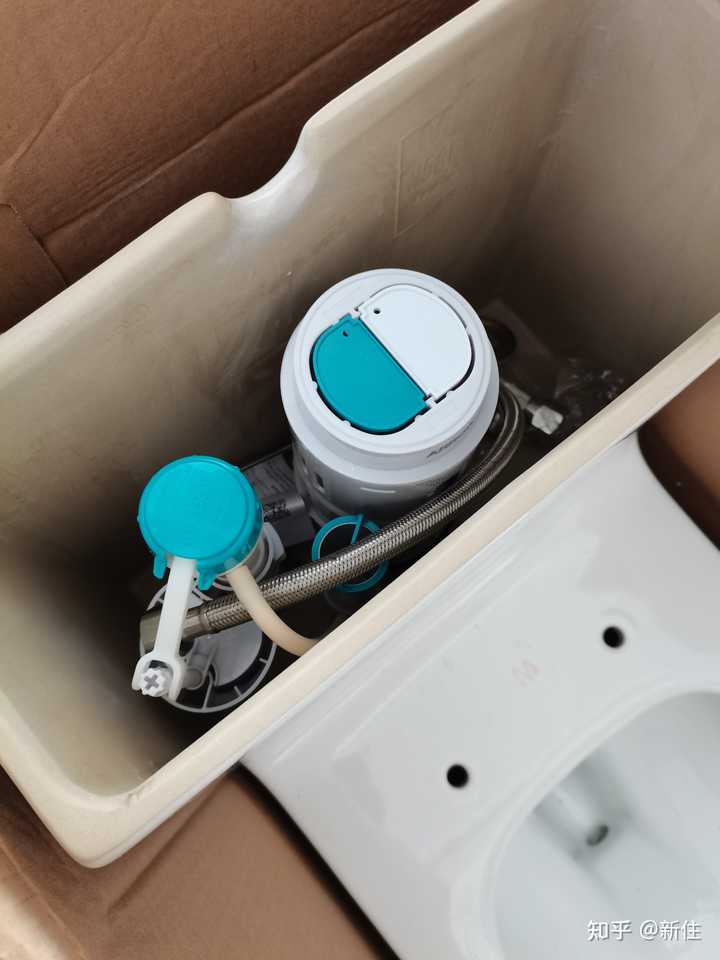
Brand parts often have 3-year warranties; shorter terms may indicate poor quality.
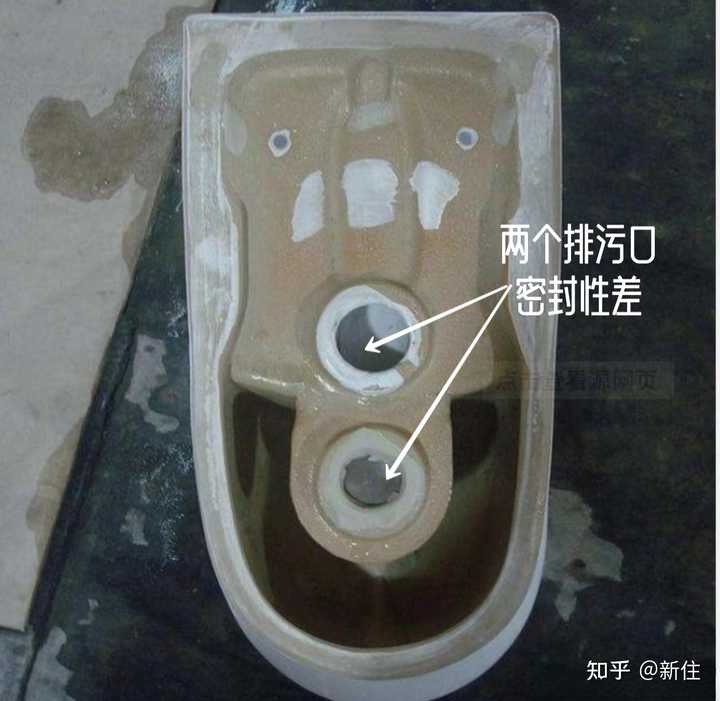
Choose one discharge outlet for better seal and odor prevention, not two (prone to leaks).
Dual outlets are for fitting different distances, a small-factory tactic—don’t be fooled.
Beyond selection, cleaning is key. Focus on severe stains, daily upkeep, clogs, and crevices to maintain like-new condition.
Severe stains, like yellow scale, often form in discharge and water outlets.
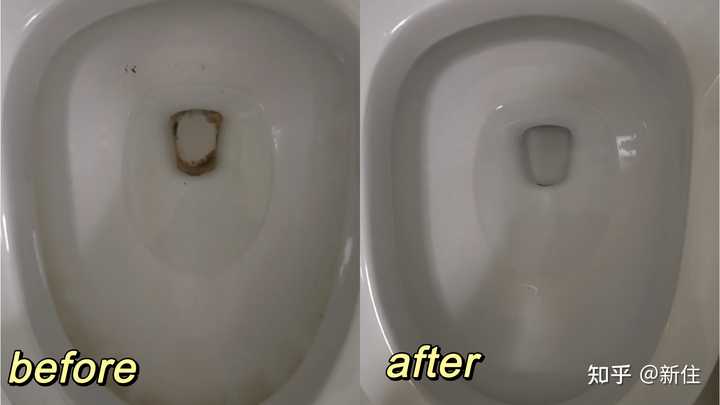
Clean every three months: Apply urine scale dissolver at night, and it dissolves by morning without scrubbing.
For hard-to-reach spots, use wet wipes with powder to cover stains for reaction.
With good glaze, weekly cleaning suffices—no daily need.
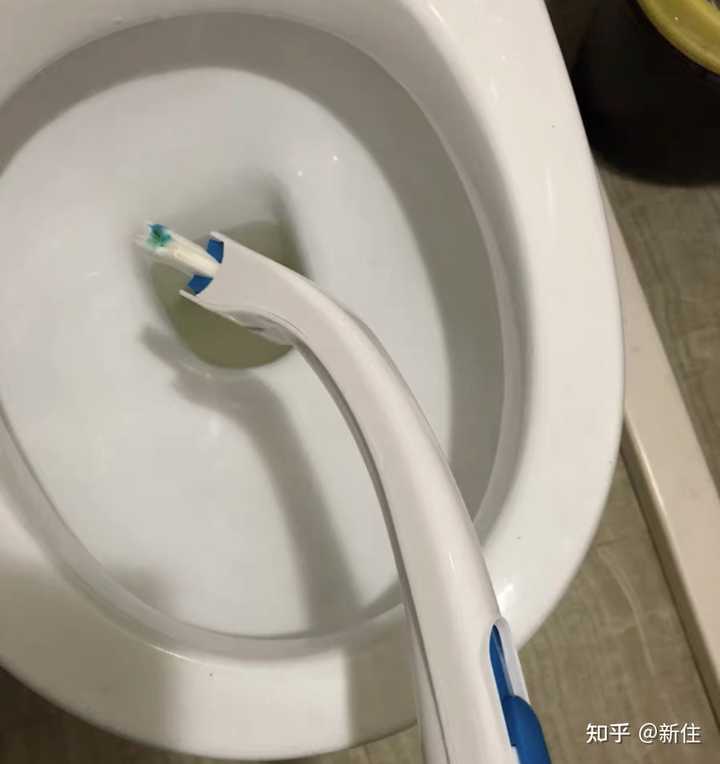
Use disposable toilet brushes with built-in cleaner; heads dissolve and flush away.
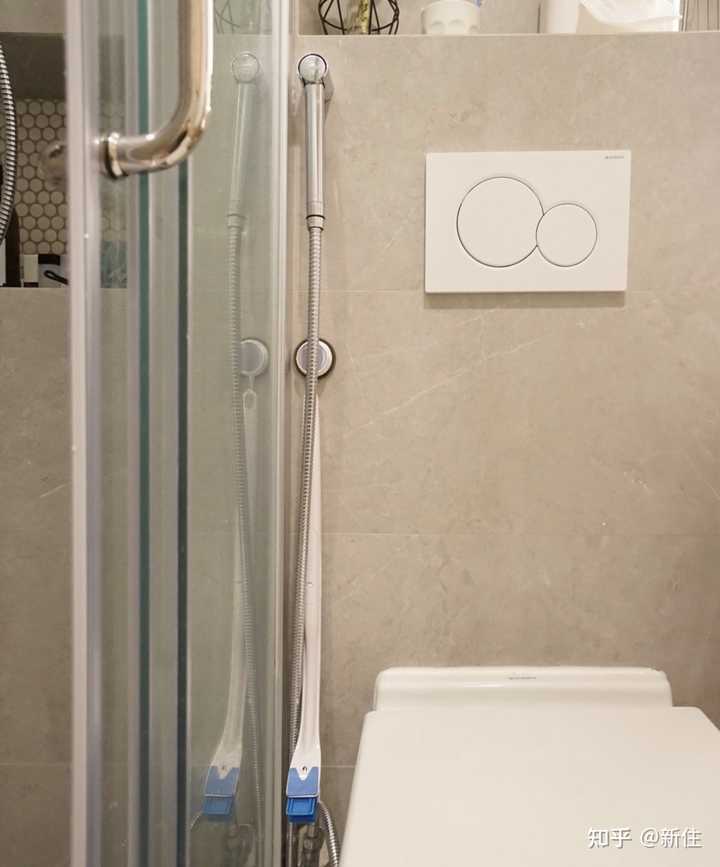
This ensures hygiene—just hang the handle, no odor or mold.
For minor clogs, a plunger works; severe cases need gel疏通剂 (safe for pipes).
Clean hard-to-reach areas under the lid with nano-fiber crevice brushes for easy, thorough cleaning.
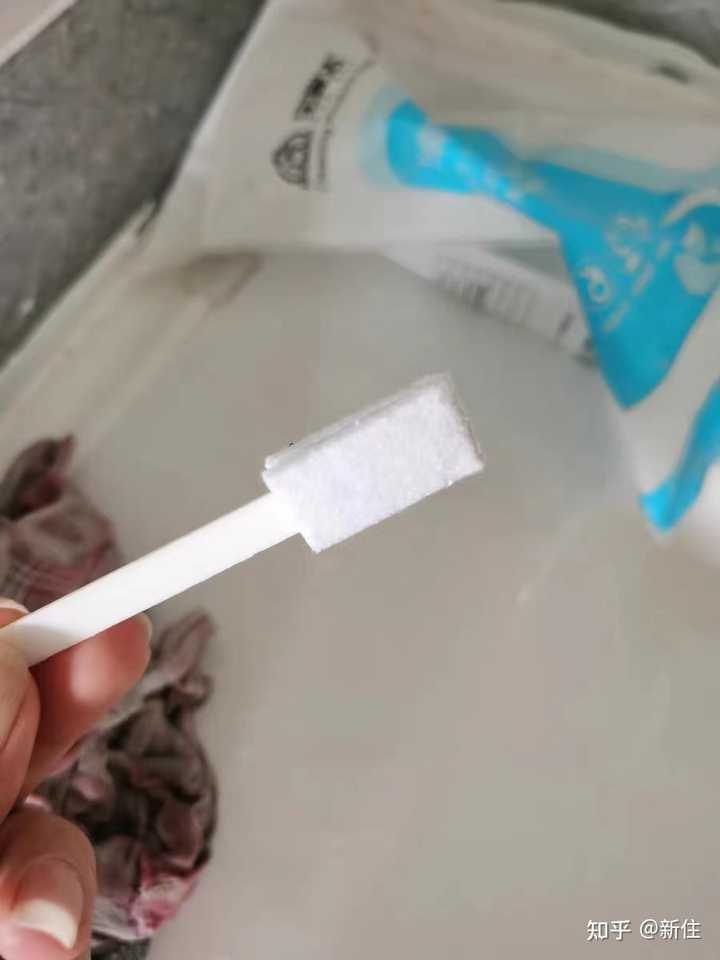
Avoid replaceable heads to prevent contamination after cleaning.
 WhatsApp contact me online