
Complete Guide to Essential Interior Design Styles: Scandinavian, Modern, Japanese, Industrial, and Minimalist for Home Decoration and Renovation
Have you ever found it challenging to clearly define a specific interior design style? Overhyped ‘styles’ are often difficult to achieve in real-world design and renovation due to variations in house structures, furniture choices, and budgets. In practice, few homeowners copy a style directly; instead, they use preferred styles as references, blending elements to create a personalized living space. For example, a single apartment in Sichuan combines industrial elements with Nordic influences, showcasing a mixed design approach.
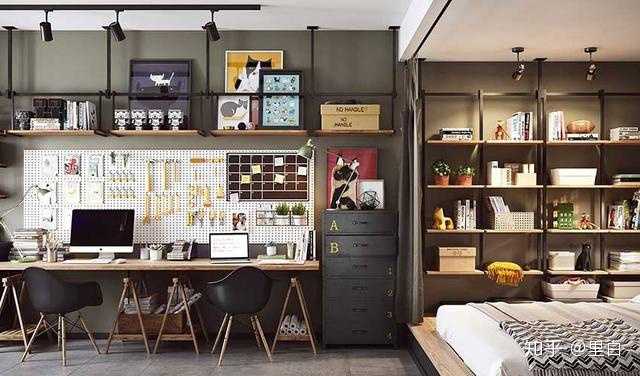
This case, though from two years ago, remains timeless and reflects the owner’s personality. Common design styles include Nordic, Modern, Japanese, Minimalist, Industrial, Chinese, and American, with the first five being enduring favorites in the design world.
1. Nordic Style
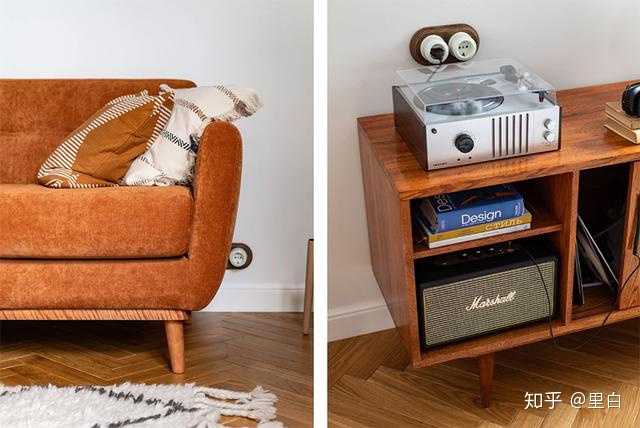
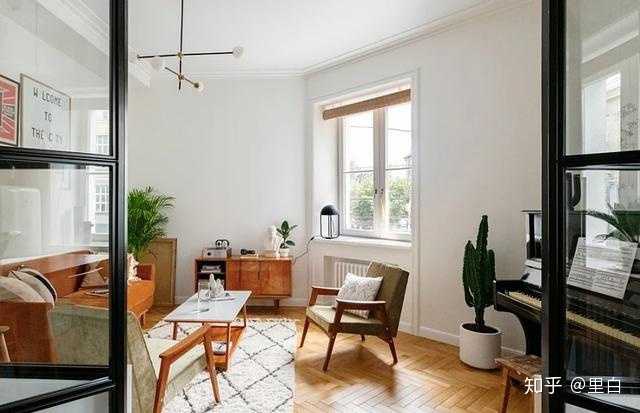
Nordic design emphasizes economy and practicality without rejecting decoration. It focuses on functional items like chairs and lighting only where needed, avoiding purely ceremonial elements. Common color schemes feature wood tones, neutrals, neutrals combined with cool or bright colors, and cool palettes. Nordics prioritize natural lighting and ventilation, as these are crucial for comfort, even over stylistic choices.
2. Modern Style
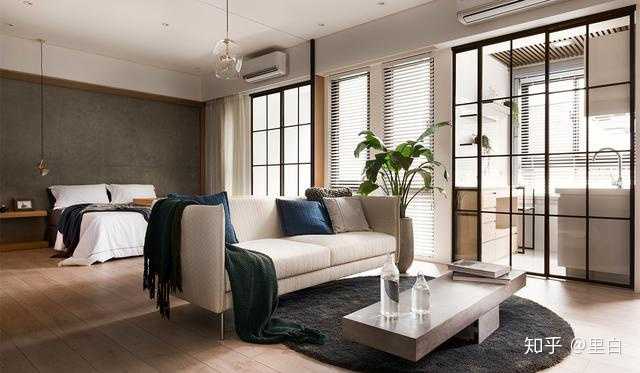
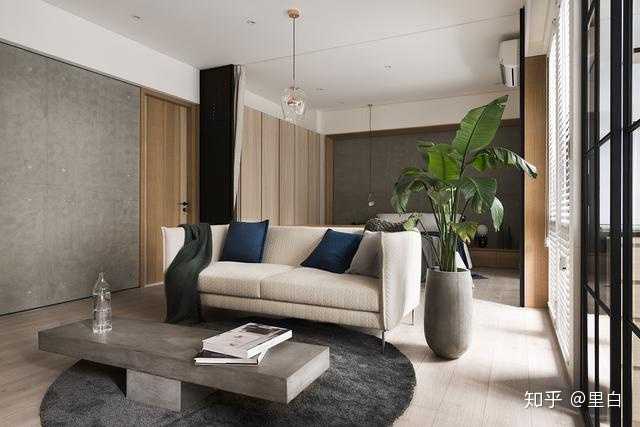
Also known as functionalism, modern style focuses on space functionality with simple shapes, no excess decoration, and essential items only. Material choices are versatile and not overly flashy. It offers visual comfort and a unified aesthetic, often incorporating fabric sofas and streamlined furniture.
3. Japanese Style
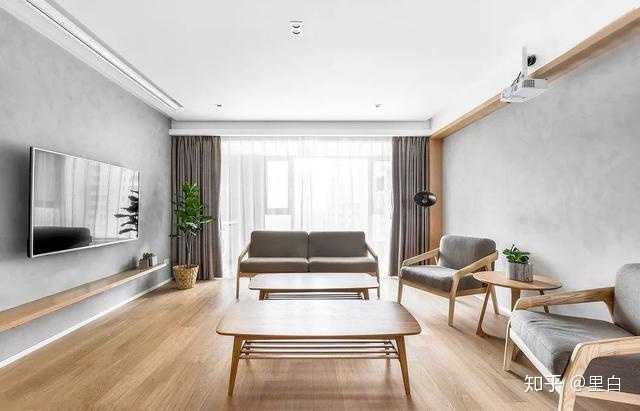
Pure Japanese style is rare; most prefer modern interpretations like Muji. It prioritizes ventilation, lighting, and layout privacy, differing from Nordic open plans. Japanese design emphasizes strong spatial awareness, efficient storage, and utilization, creating a calm, restrained atmosphere. Furniture is typically low, wooden, and devoid of excess decoration, using natural materials like rattan, cotton, and linen for an ‘original’ feel. Tatami is a key element, offering not just aesthetics but also multifunctional storage, especially in small spaces.
4. Industrial Style
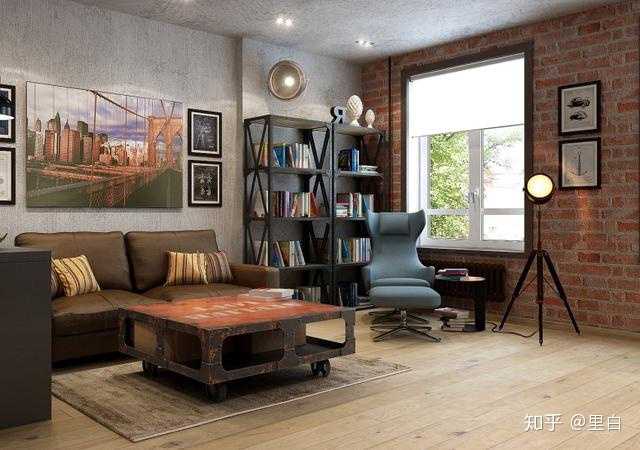
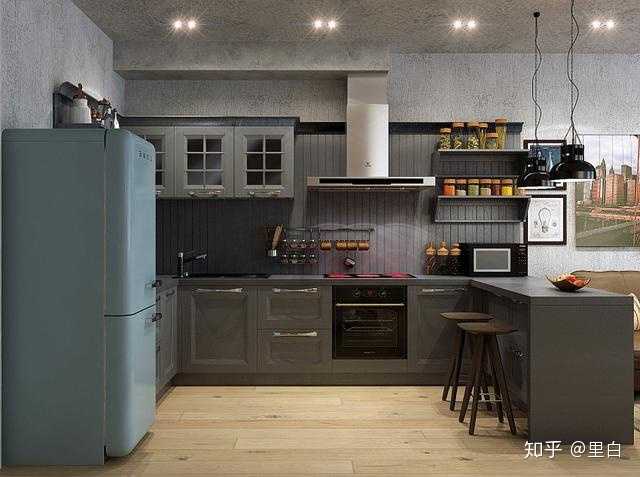
Industrial style highlights retro features, showcases age, and utilizes industrial materials like cement, brick, and metal. It is not limited to lofts and avoids刻意追求 ‘unfinished’ looks. For instance, a Russian small apartment rural industrial design incorporates cement-textured paints, rough brick walls, weathered metal tables, brown leather sofas, and black iron furniture. A standout feature is the use of transparent glass and curtains in sleep areas to allow unobstructed light and maintain an open view.
5. Minimalist Style
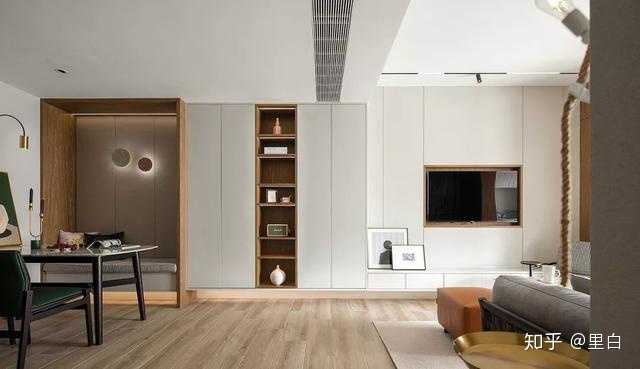
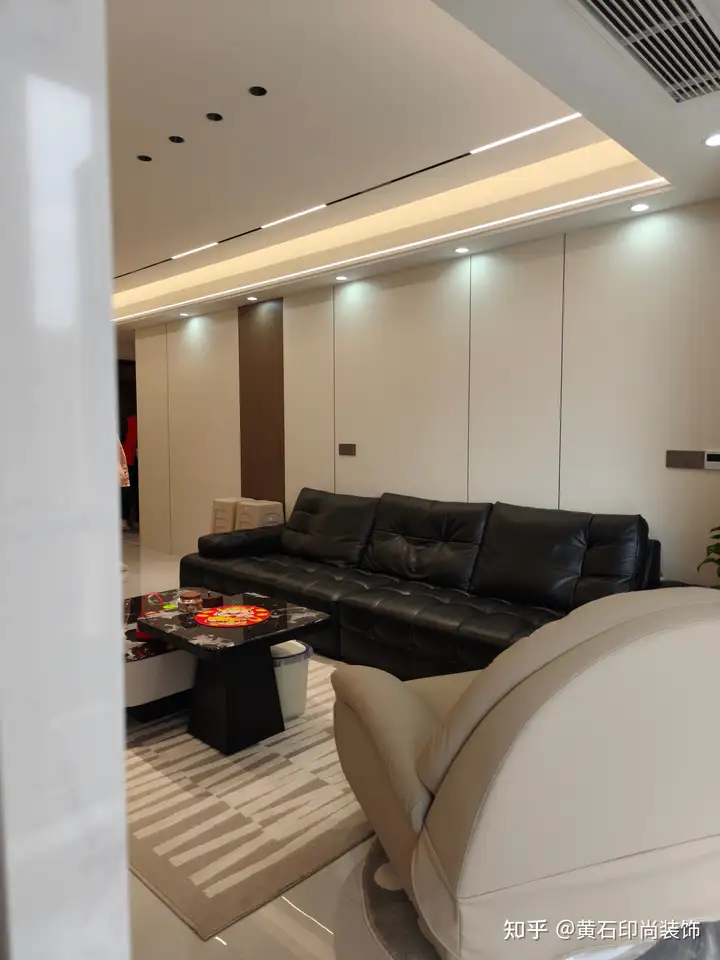
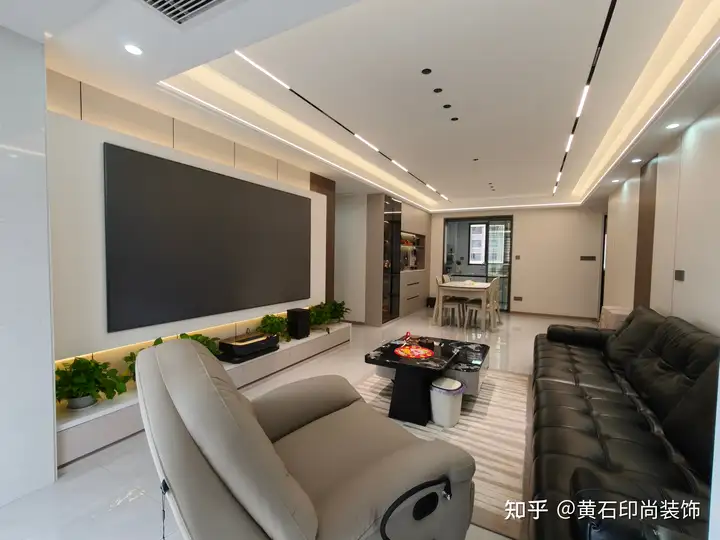
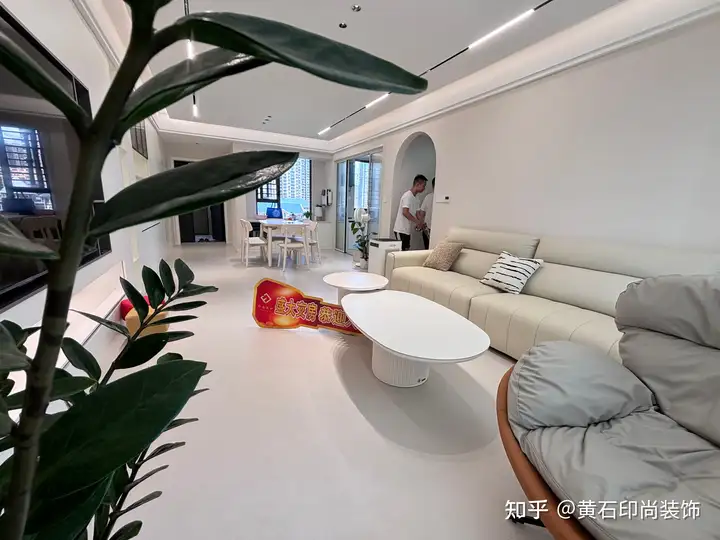
Originating in mid-20th century America, minimalist design removes unnecessary decorations and techniques, pursuing extreme simplicity with clean lines and geometric shapes. Color schemes require components to complement each other for a unified look, often enhancing the sense of space. Hard elements are straightforward, with pre-installed wiring and clutter-free layouts. For example, walls may use advanced gray and white, with soft furnishings in matching tones like white, gray, and accents such as dark green chairs. Furniture is simple, without extra decor, and spaces like balconies can be converted into functional tatami for storage.
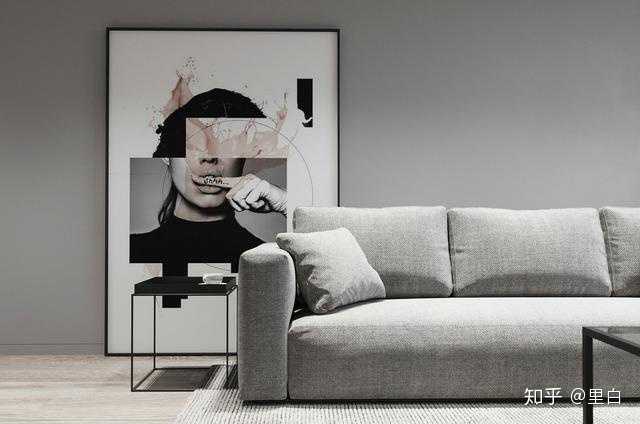
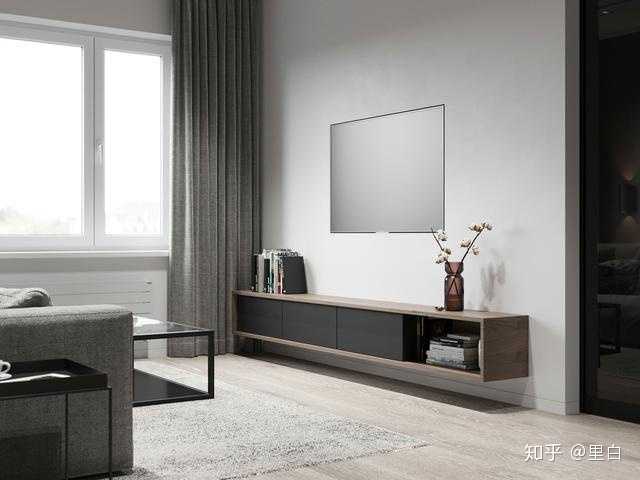
Minimalism may seem effortless, but it involves hidden efforts for visual and living comfort, such as pre-buried wires in TV cabinets, not just for photos.
 WhatsApp contact me online