• 0

    No products in the cart.

Comprehensive Guide to Top Interior Design Styles: Nordic, Modern, Japanese, Industrial, and Minimalist for Home Decoration and Renovation Ideas

Have you ever found it challenging to define your interior design style clearly?

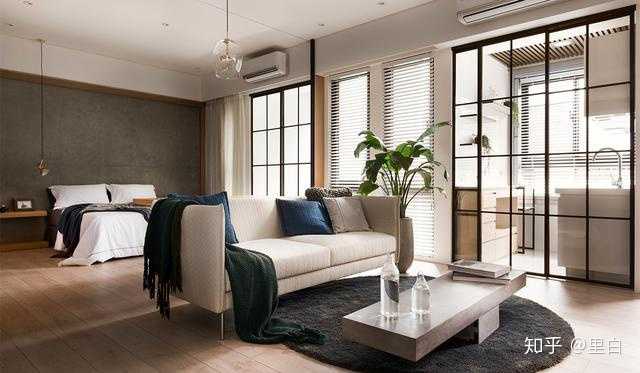
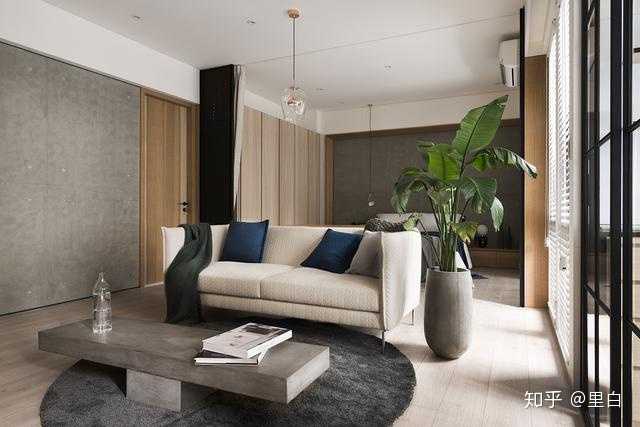
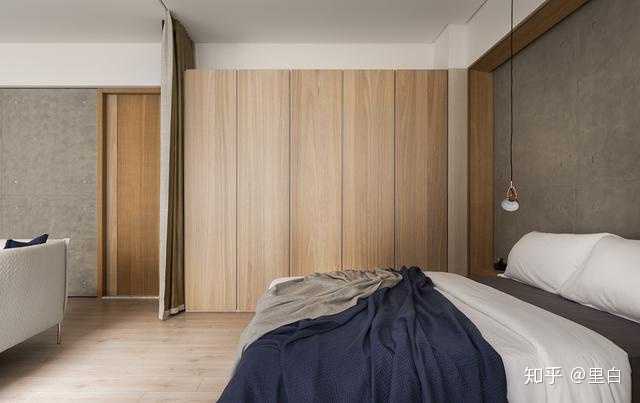
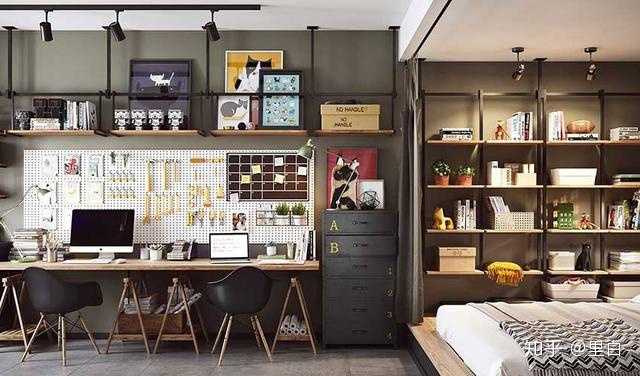
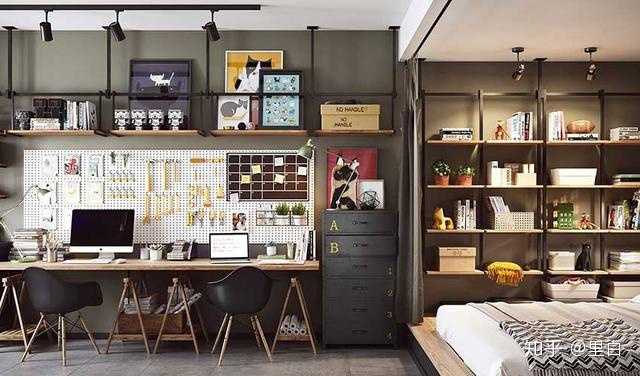
Overhyped ‘styles’ are often difficult to achieve in practical design and renovation due to differences in house structures, furniture choices, and budgets. Most homeowners don’t simply copy a specific style but use elements as references to create a personalized home. For instance, a bachelor apartment in Sichuan blends industrial elements with Nordic influences, showcasing a mixed design approach.
ImageImage

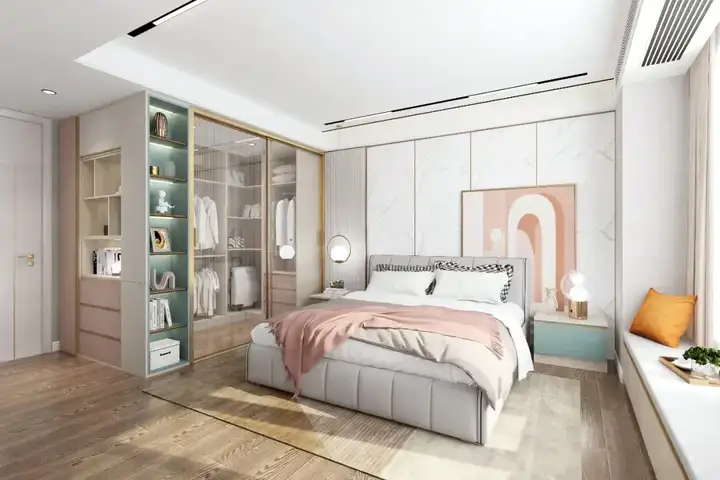
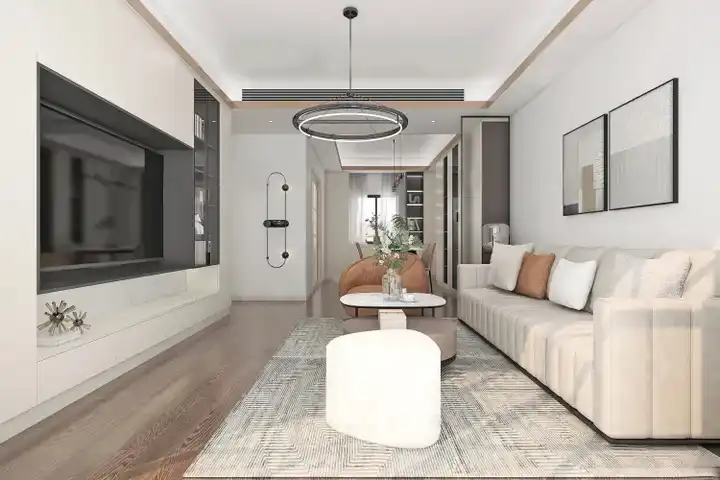
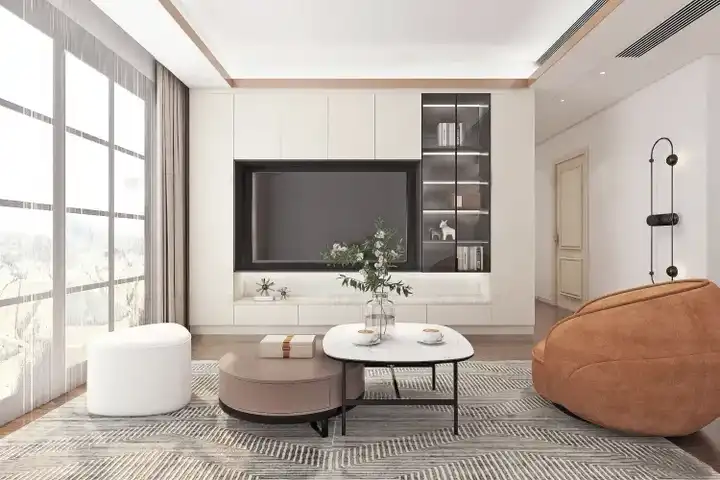
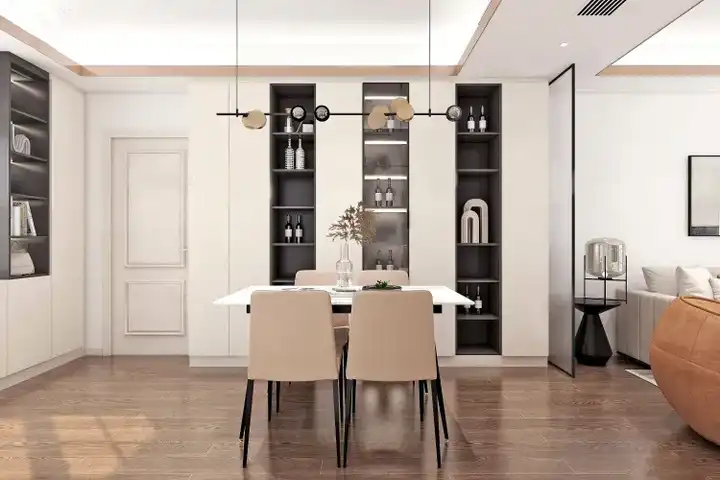
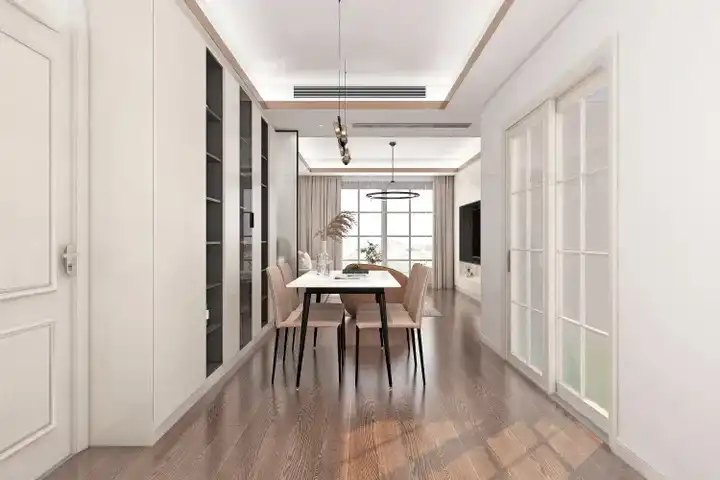
This case from two years ago remains timeless, reflecting the owner’s personality. Common styles include Nordic, modern, Japanese, minimalist, industrial, Chinese, and American, with the top five being Nordic, modern, Japanese, minimalist, and industrial.

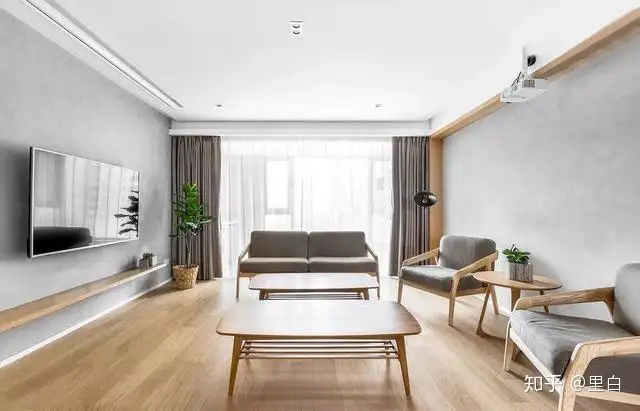
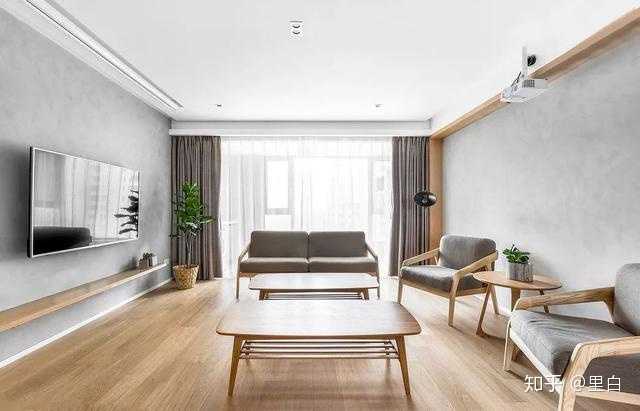
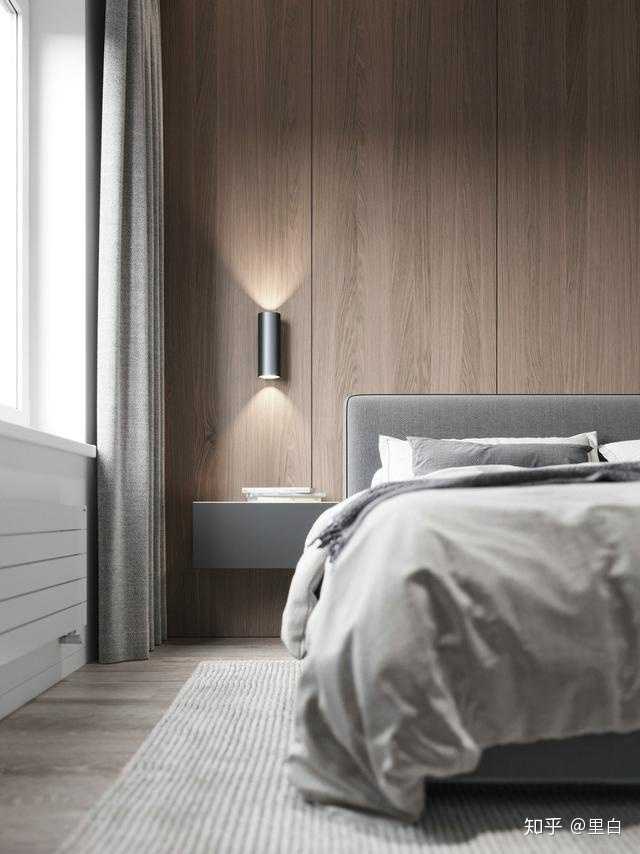
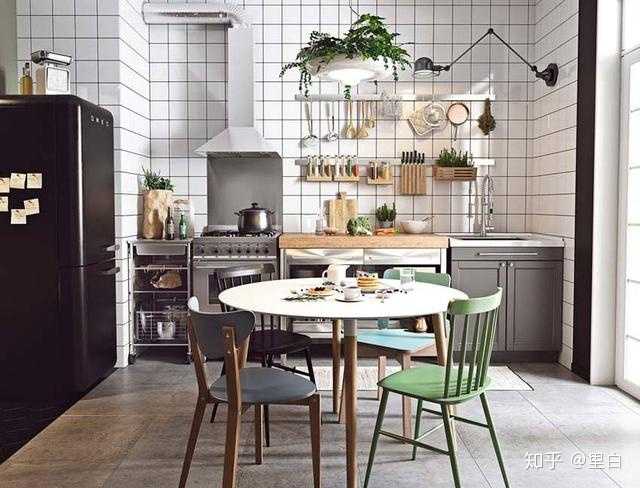
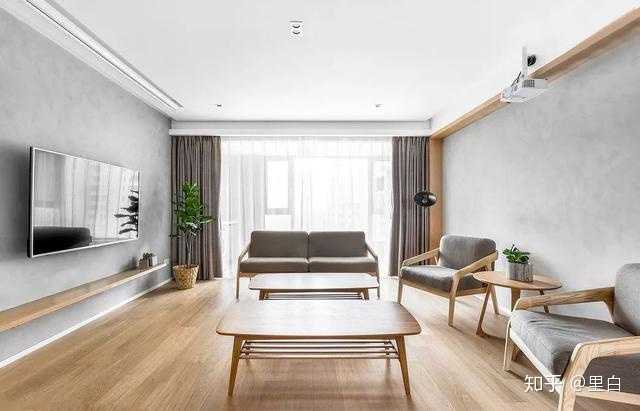
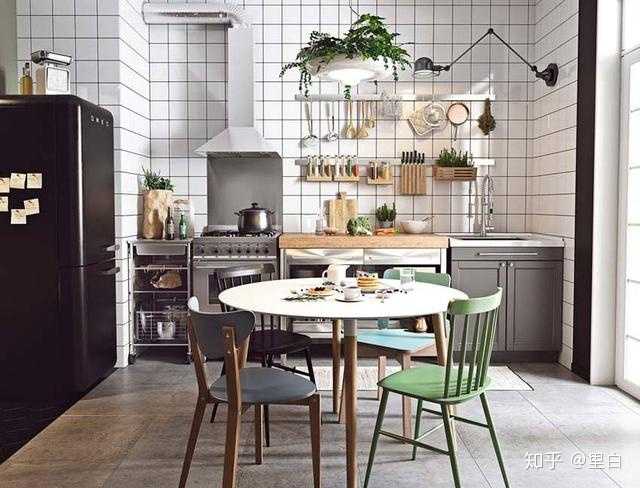
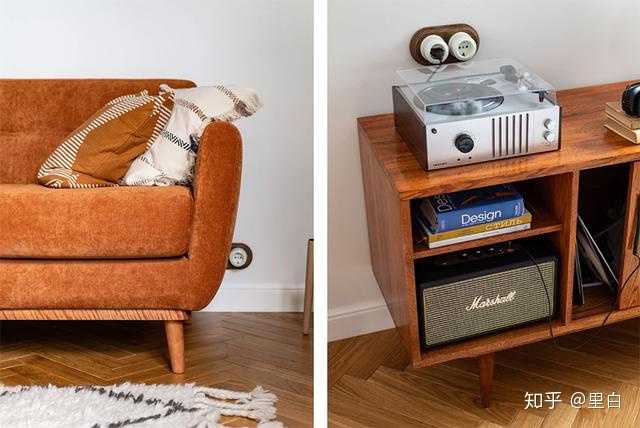
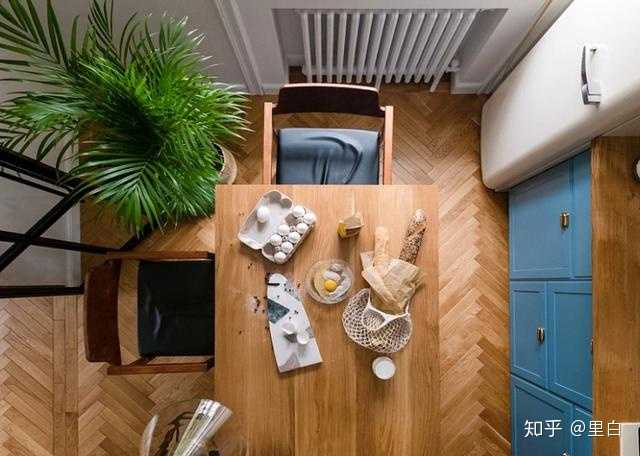
1. Nordic Style: Nordic design embraces decoration but prioritizes economy and practicality. For example, chairs and lamps are valued only where needed, not for decorative corners. Common color schemes include wood tones, neutrals, neutrals with cool colors, neutrals with bright accents, and cool shades. Natural light and ventilation are crucial for comfort.
ImageImage

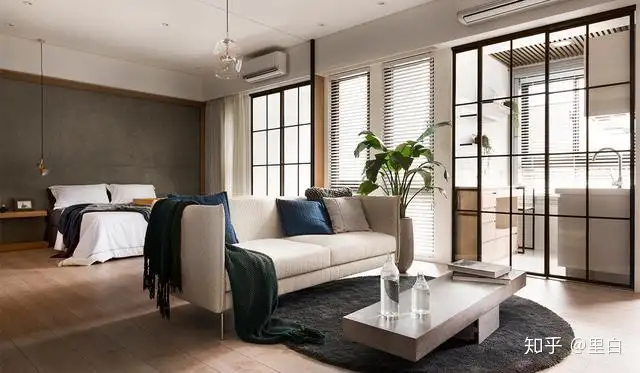
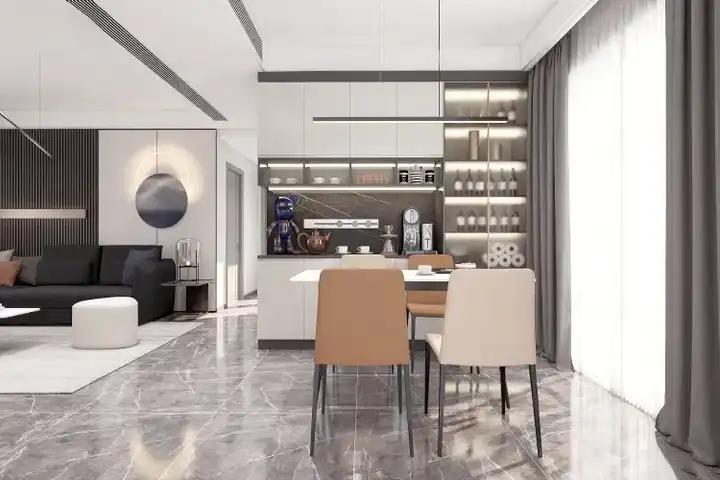
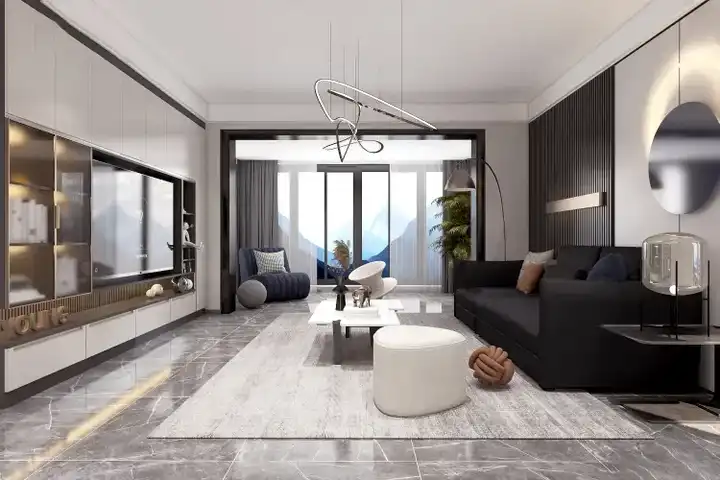
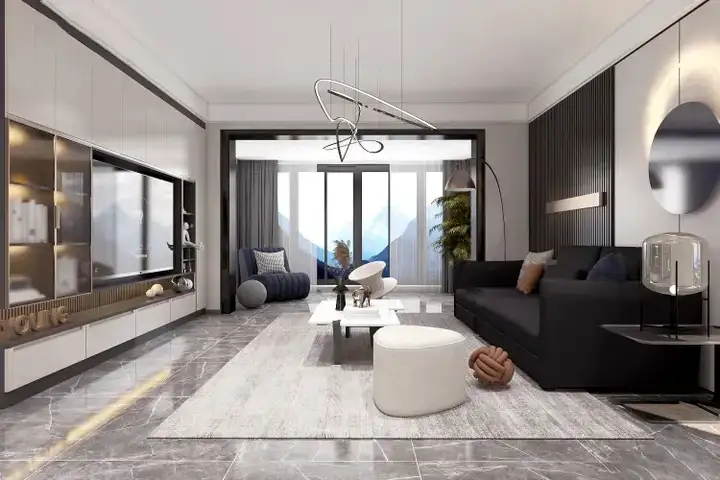
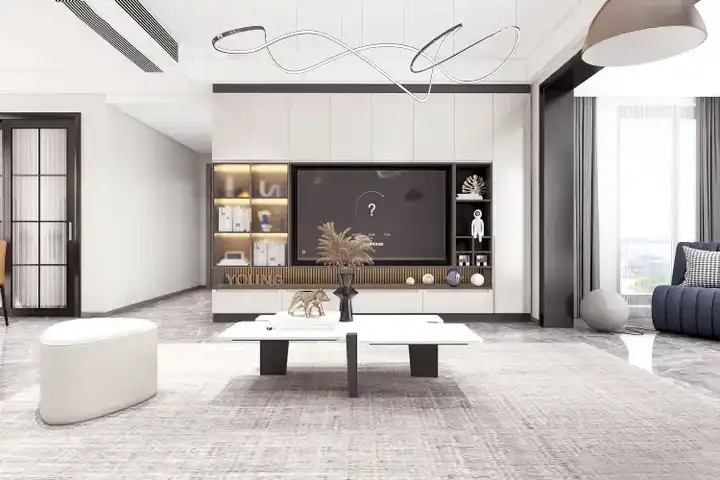
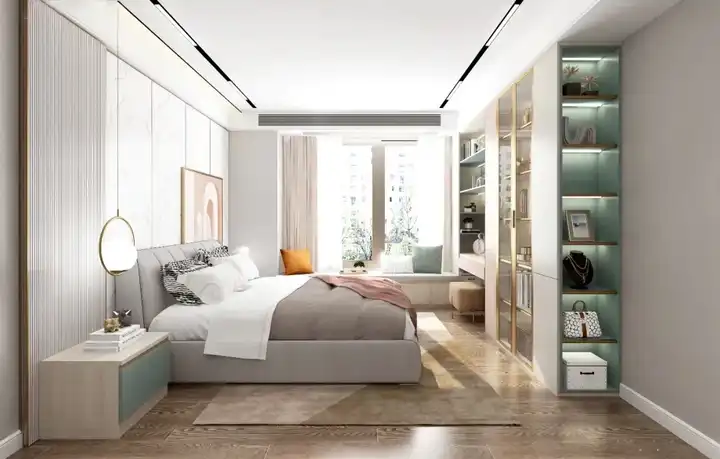
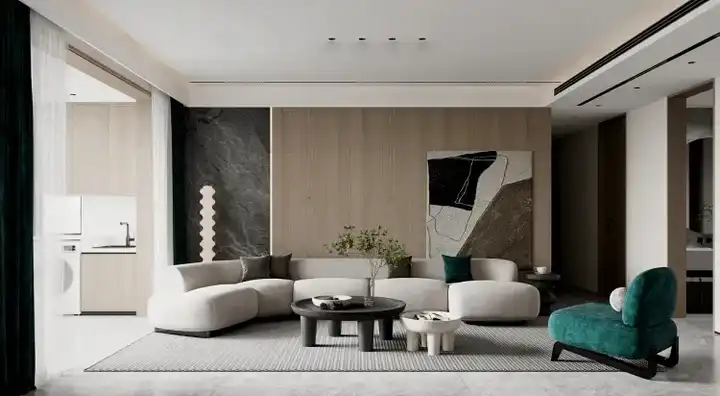
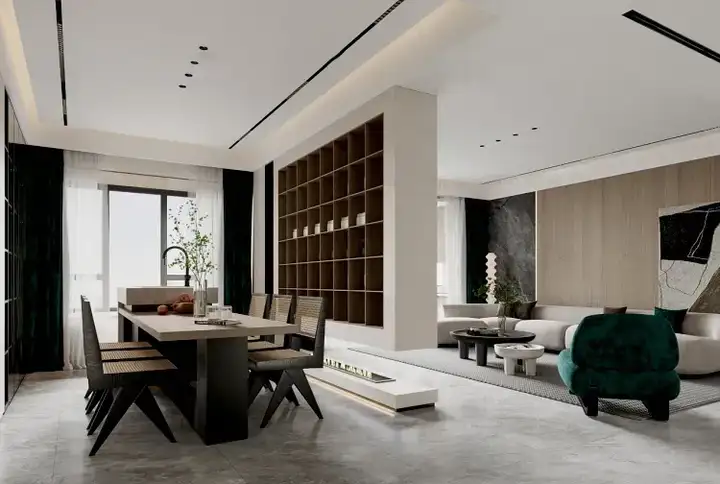
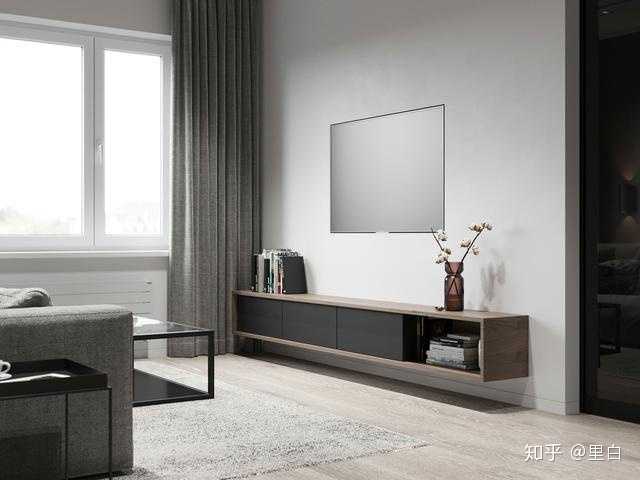
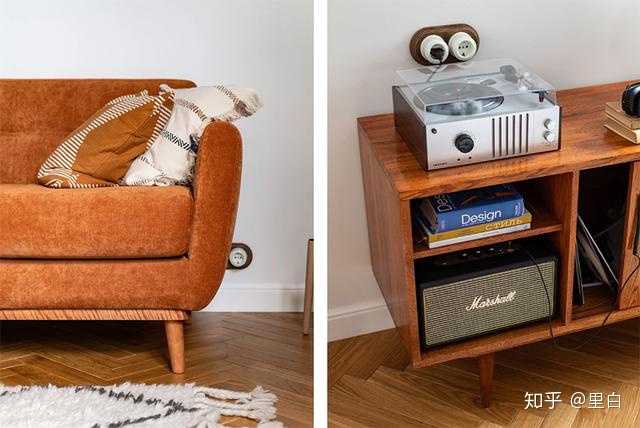
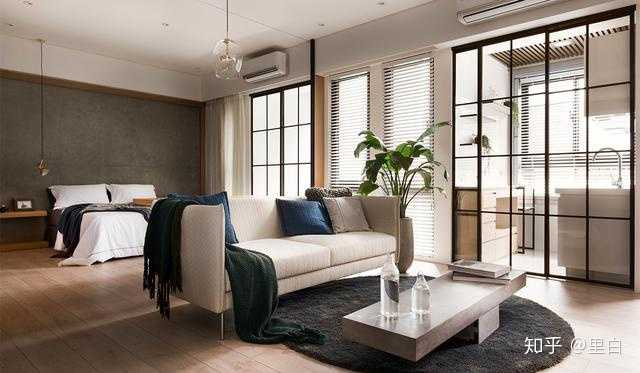
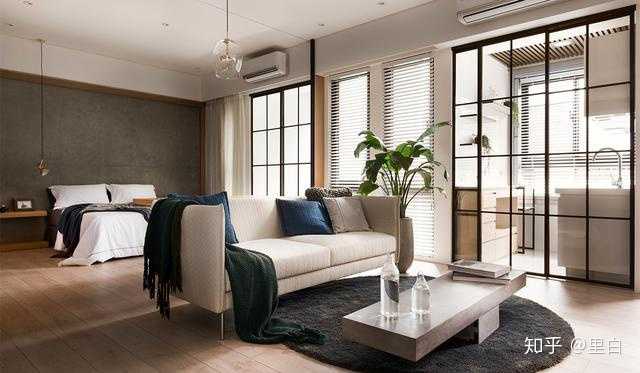
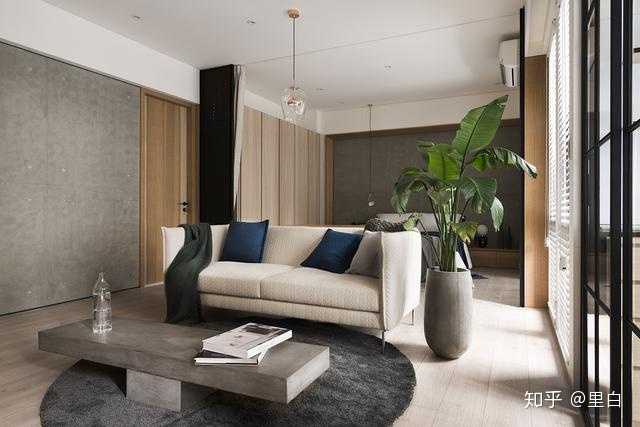
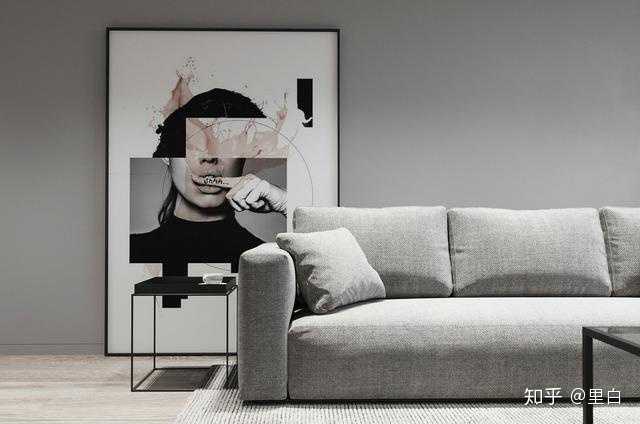
2. Modern Style: Also known as functionalism, modern design focuses on space utility. It features clean lines, minimal decor, and essential items, with materials ranging from simple to versatile. Visual comfort and unity are key, often using fabric sofas and streamlined furniture.
ImageImage

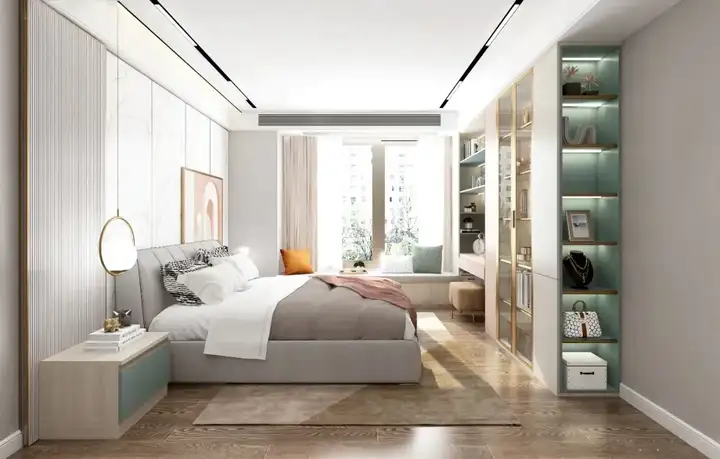
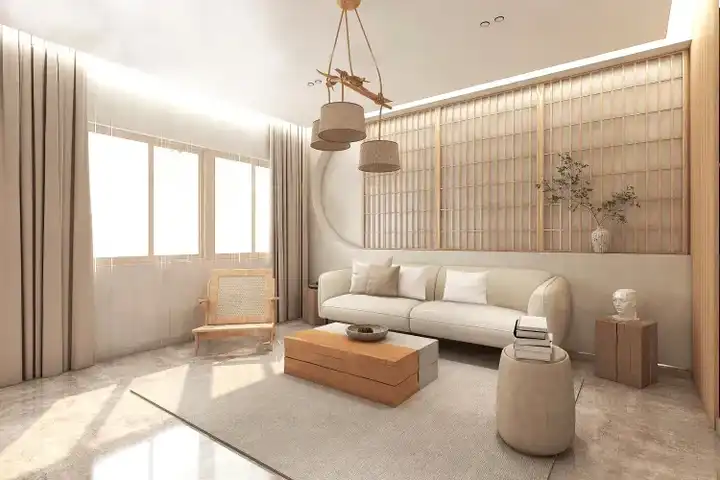
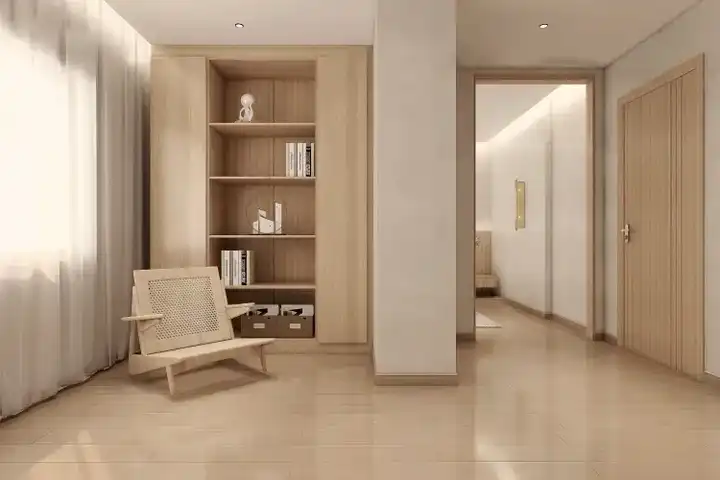
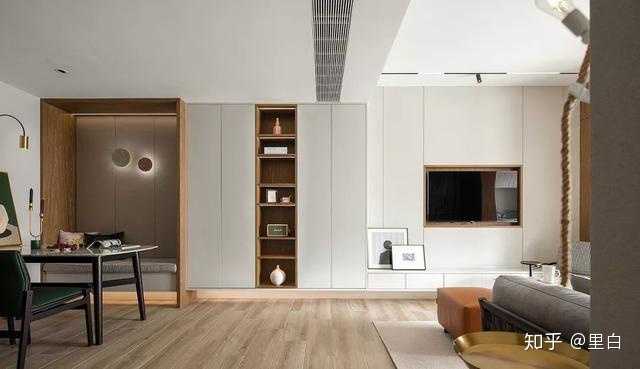
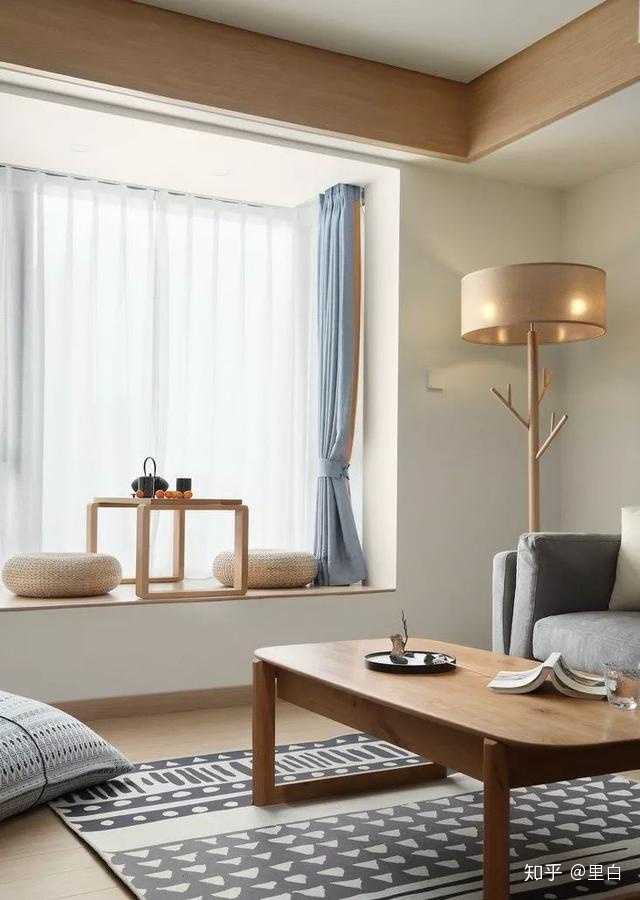
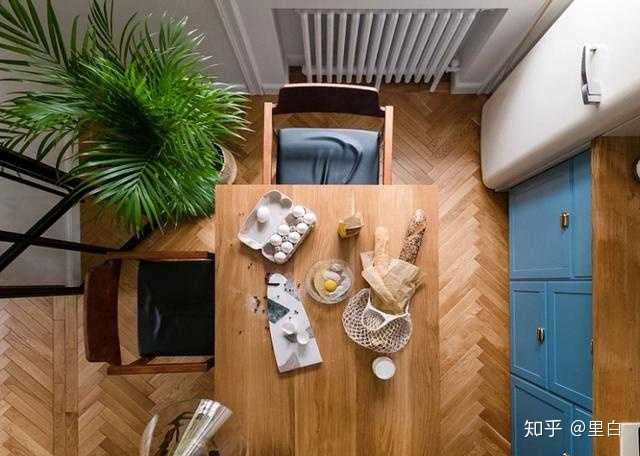
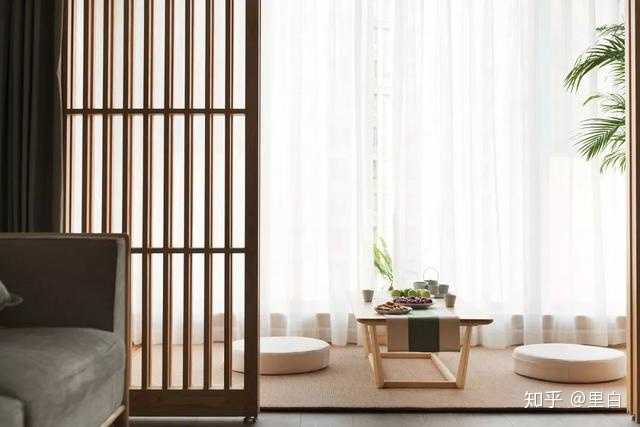
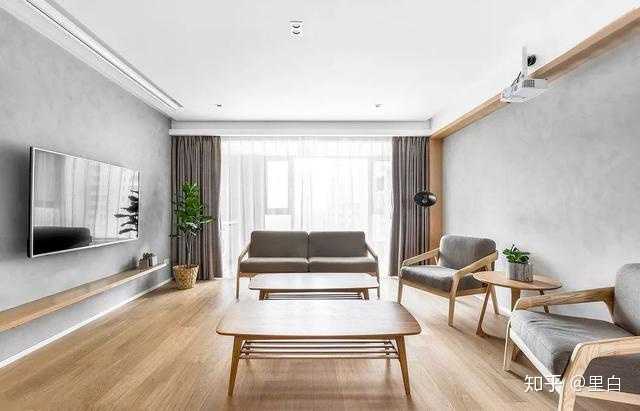
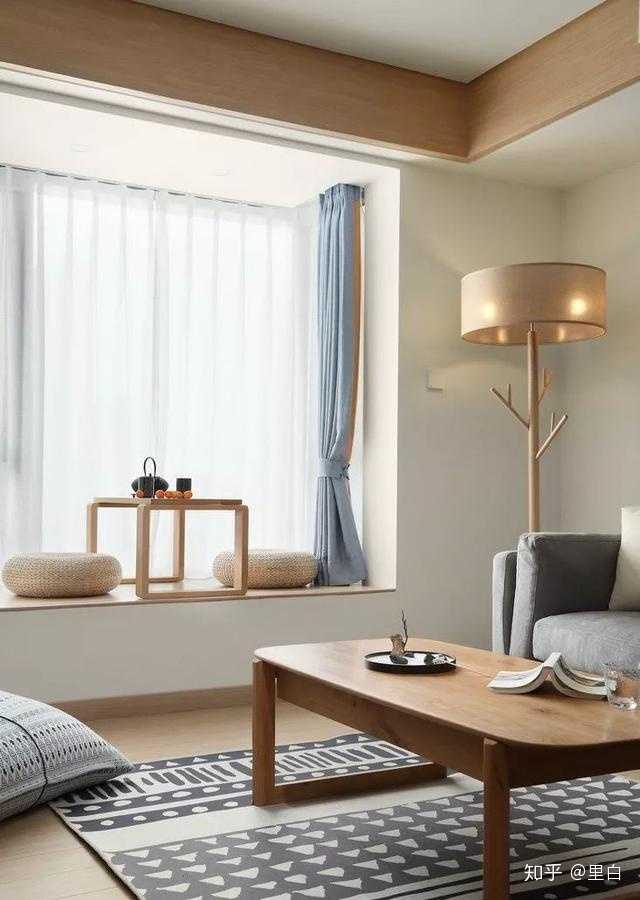
3. Japanese Style: Pure Japanese style is rare; most prefer modern interpretations like MUJI. Emphasis is on privacy, ventilation, light, and layout, with strong spatial order and storage solutions. Furniture is low, wooden, and devoid of excess decor, using natural materials like rattan, cotton, and linen. Tatami mats are common for multifunctional use.
ImageImage

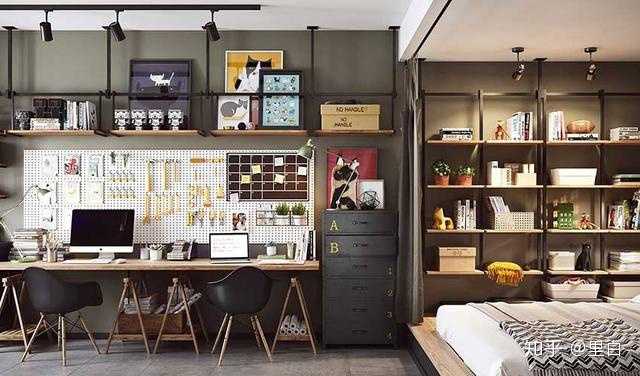
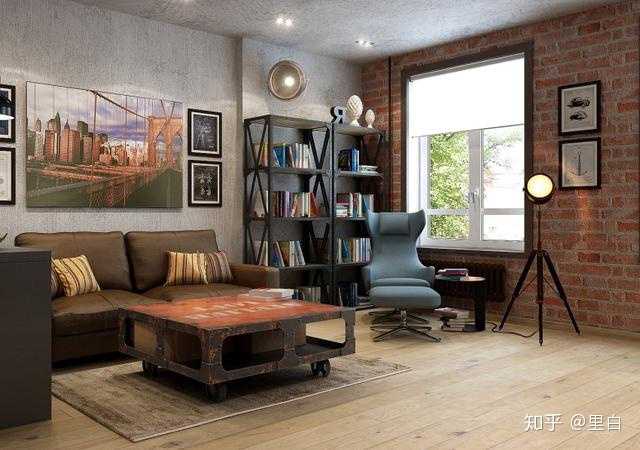
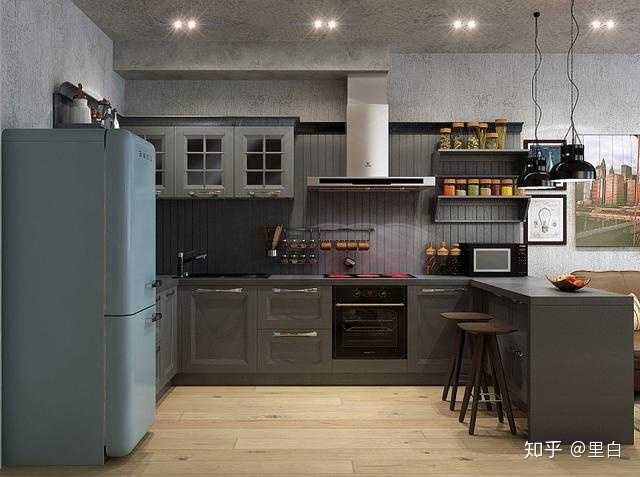
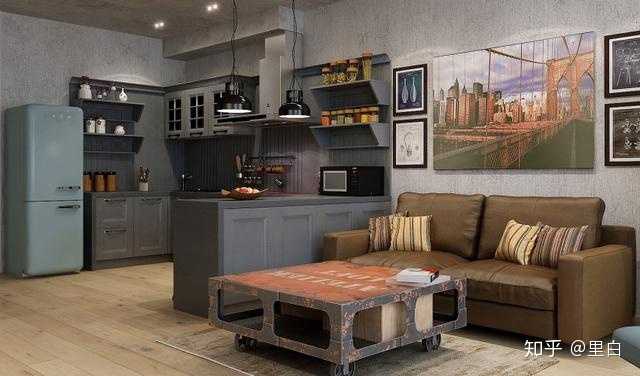
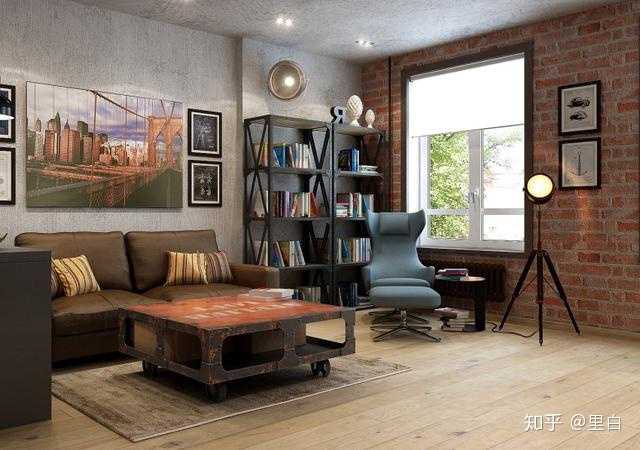
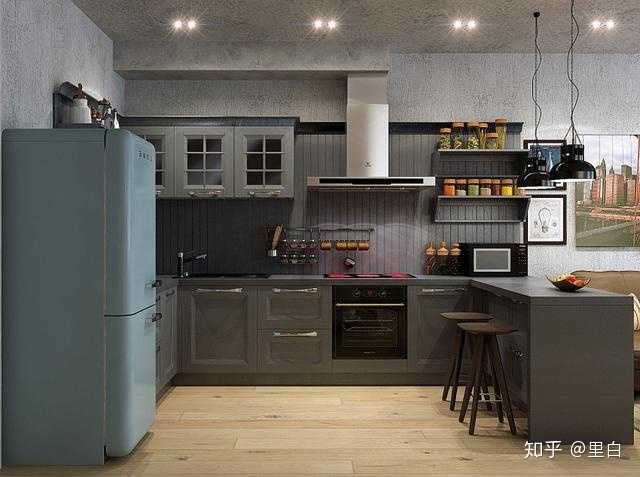
4. Industrial Style: Key points include retro elements, industrial materials, and adaptability beyond lofts. A Russian small-space example features cement textures, brick walls, metal tables, leather sofas, and black iron furniture, with glass partitions for light and openness.
ImageImage

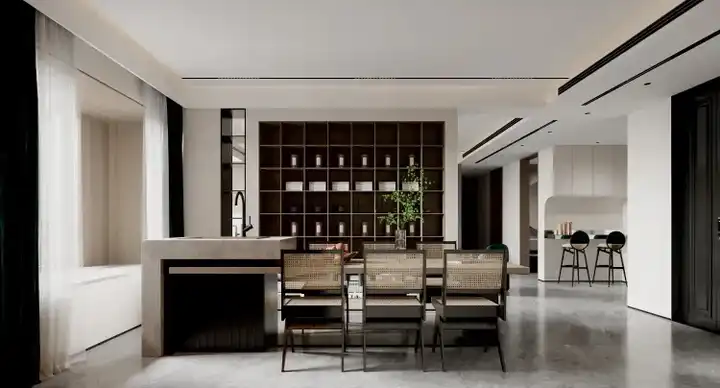
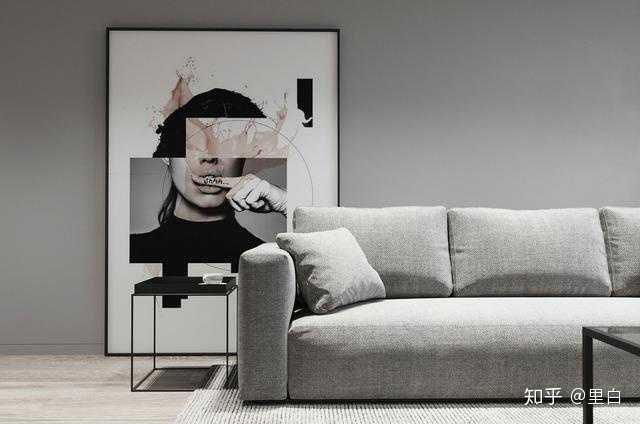
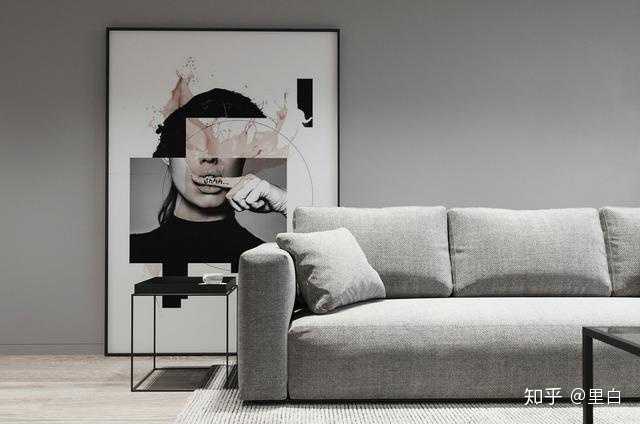
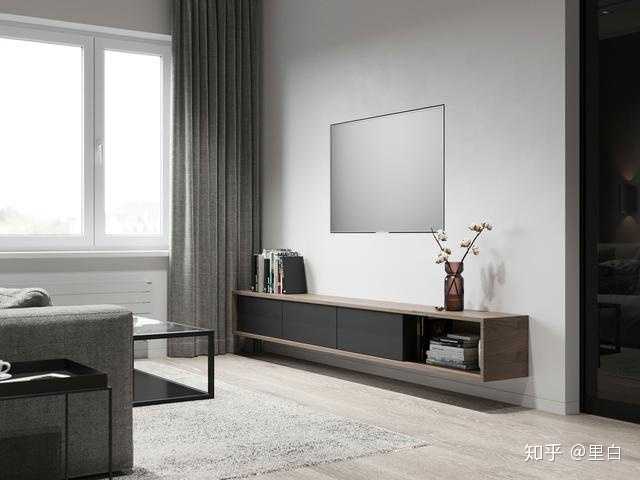
5. Minimalist Style: Originating in mid-20th century America, minimalism removes unnecessary decor, using clean lines and geometric shapes. Colors are coordinated to enhance space perception. Hard elements are simple, with concealed wiring and fixtures for a clutter-free look, emphasizing functionality and visual purity.
ImageImage

Modern Nordic Style Small Apartment with Open Plan Design, Ample Storage Solutions, and Abundant Natural Light for Comfortable Living

image

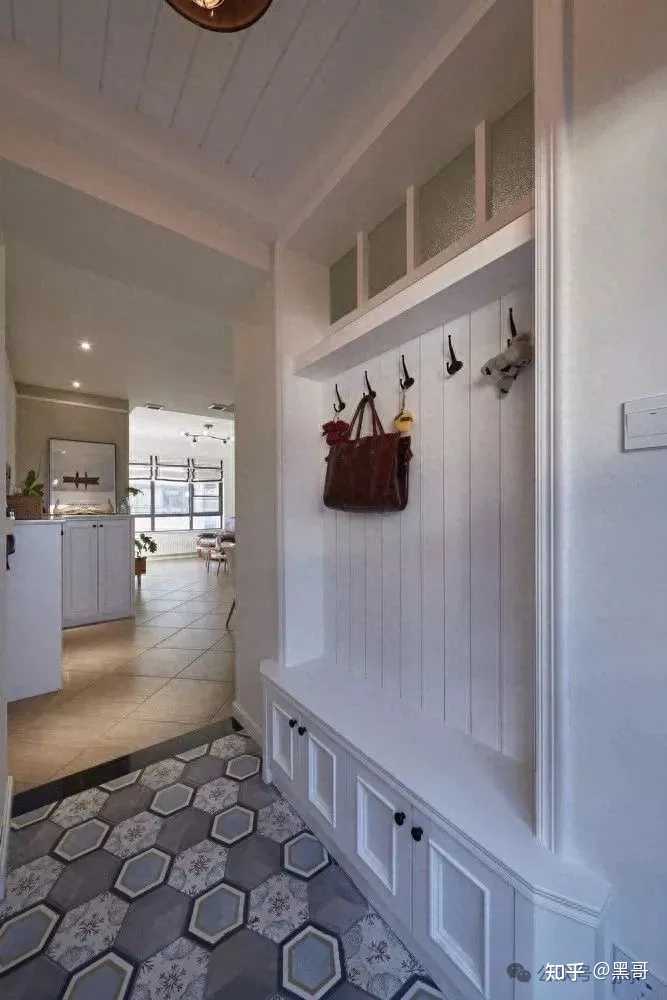
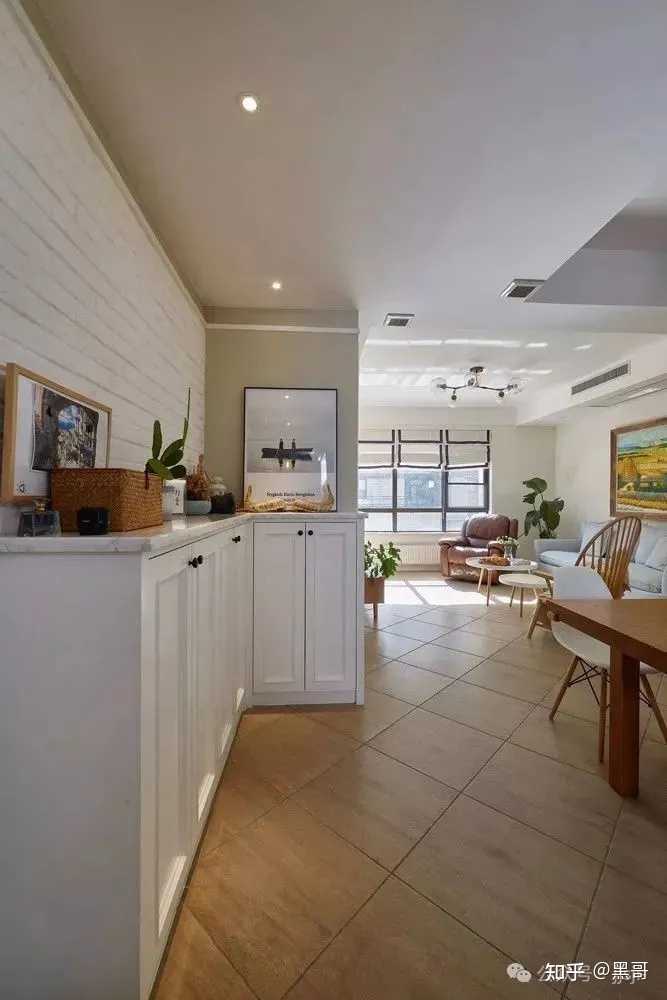
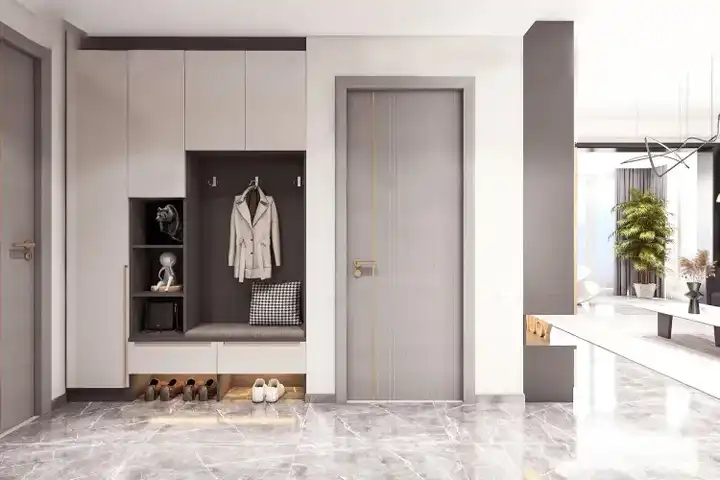
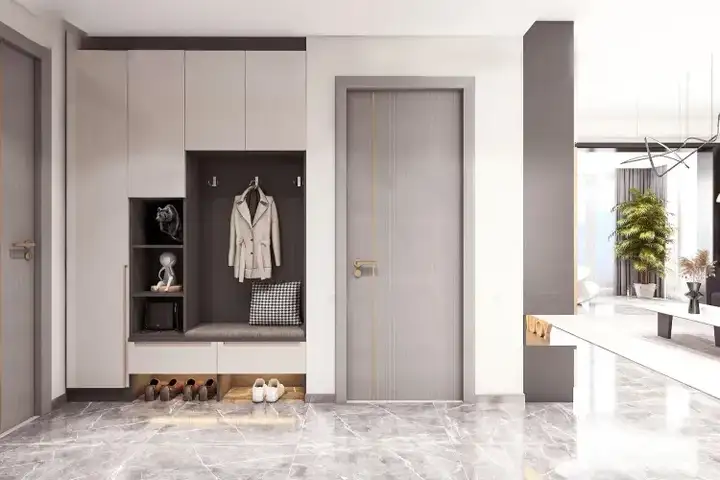
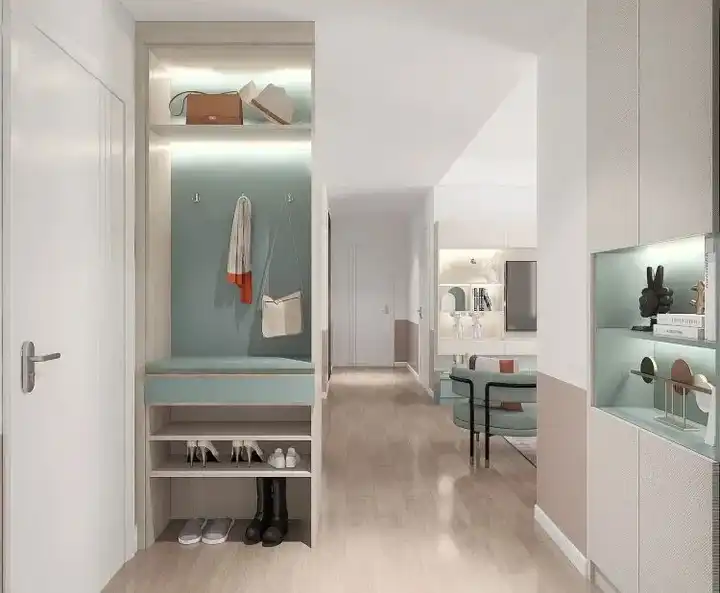
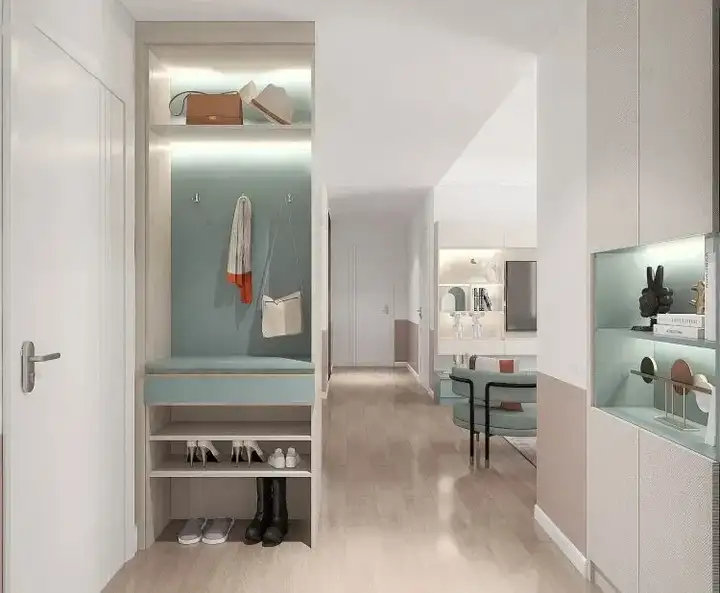
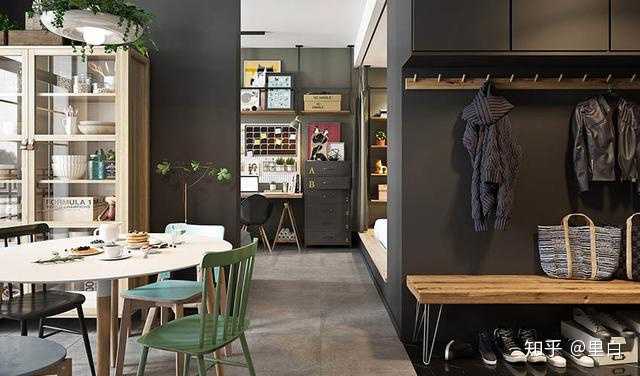
The entrance foyer features simple wall-mounted cabinets that provide daily storage, such as a shoe cabinet, with the upper part serving as a bench for changing shoes and the back wall for hanging bags and accessories.

image

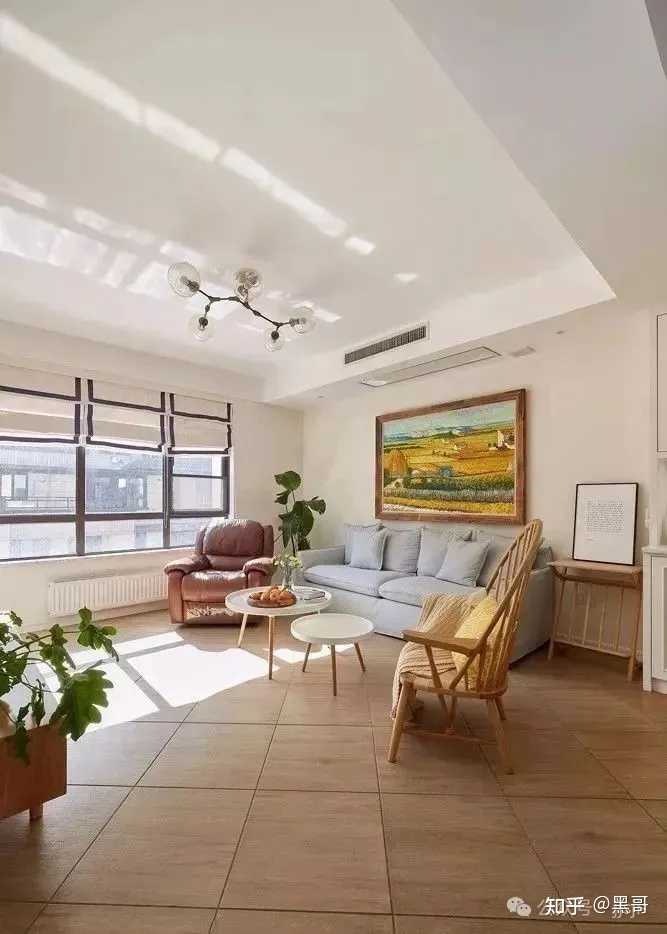
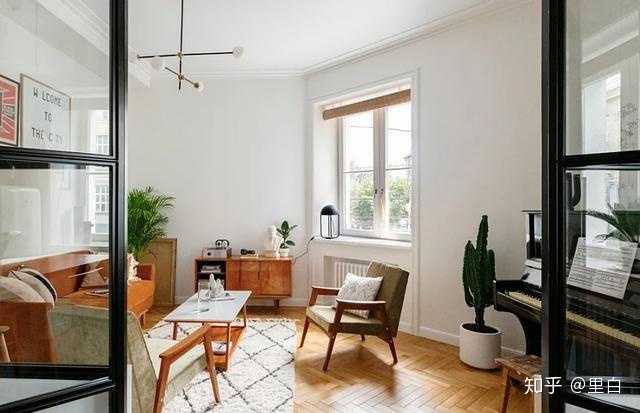
Upon entering, the space feels welcoming, comfortable, and spacious, with abundant sunlight creating a warm and cozy atmosphere. The all-white walls enhance natural light, while mid-century Nordic-style soft furnishings add elegance and comfort.

image

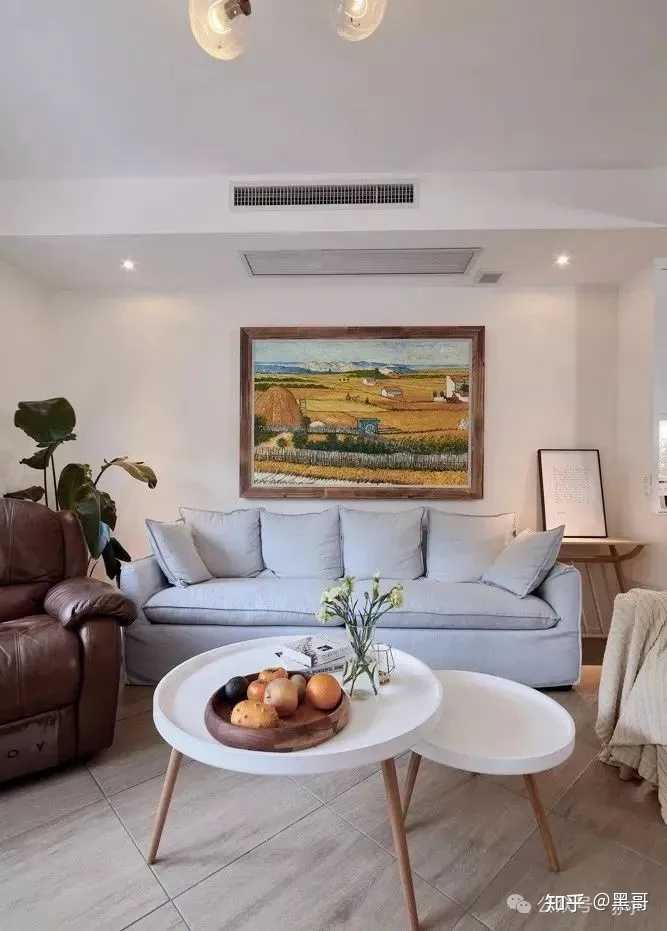
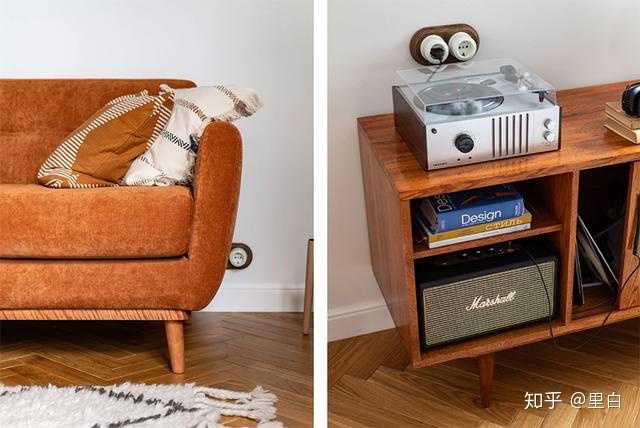
The soft furnishings appear simple but feature varied color schemes to improve the home’s ambiance, with sofas in diverse tones for a vibrant look.

image

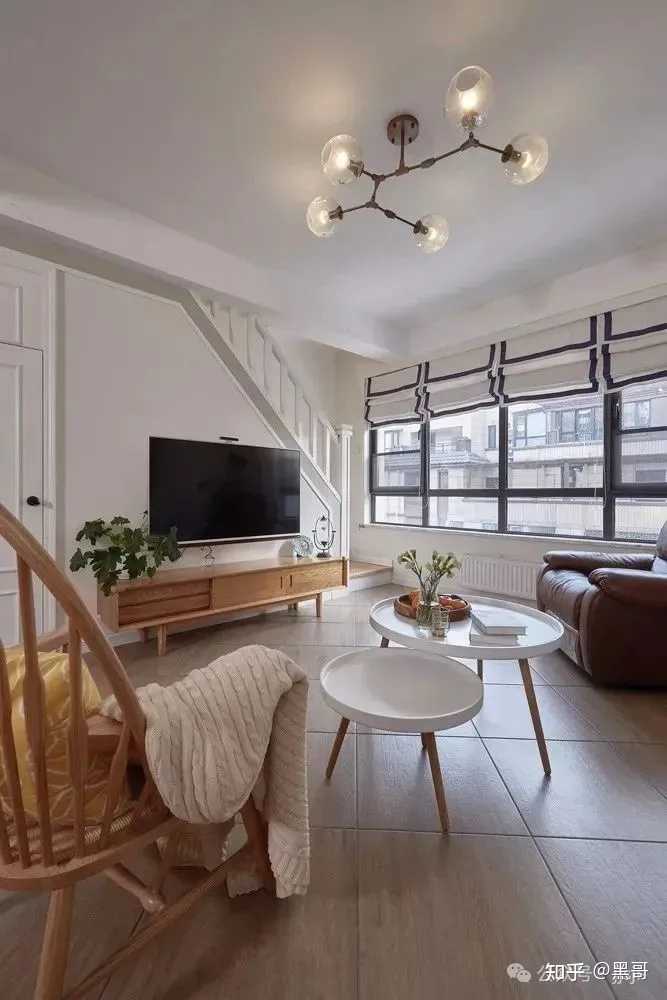
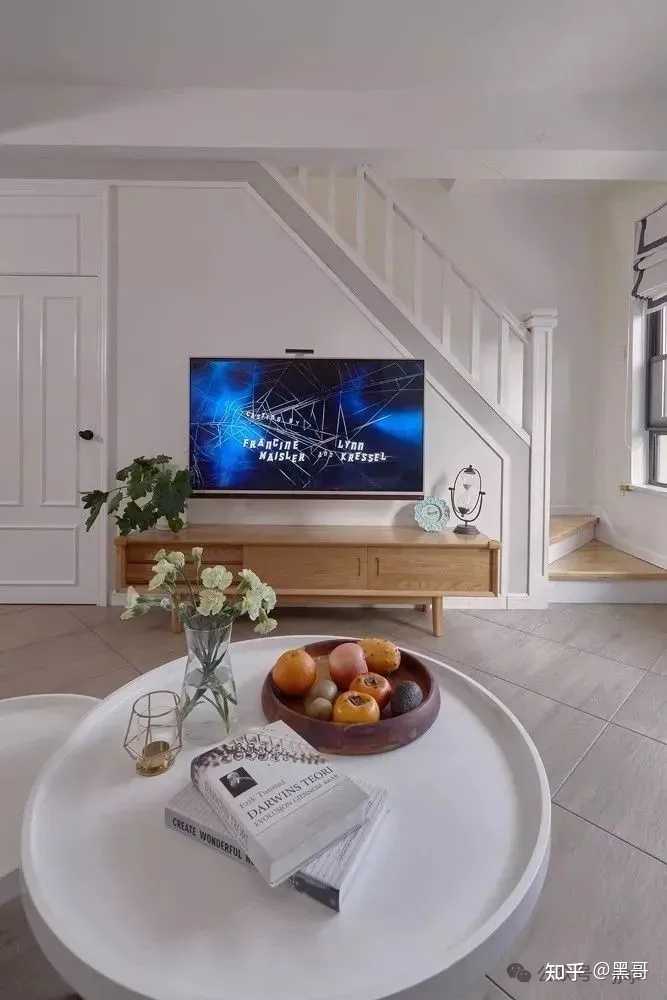
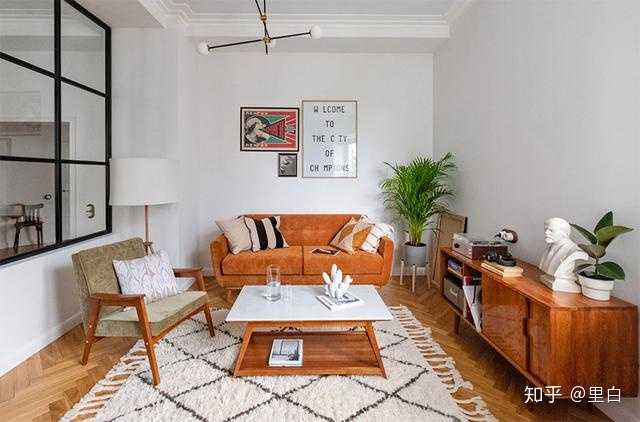
Despite the compact layout, the first floor feels open and airy, with a simply arranged living room. Solid wood TV cabinets and a wooden sofa chair complement the warm wooden flooring.

image

The living room background wall doubles as a staircase to the second floor, maximizing space. The TV wall, originally intended for storage, now serves as an aesthetic focal point.

image

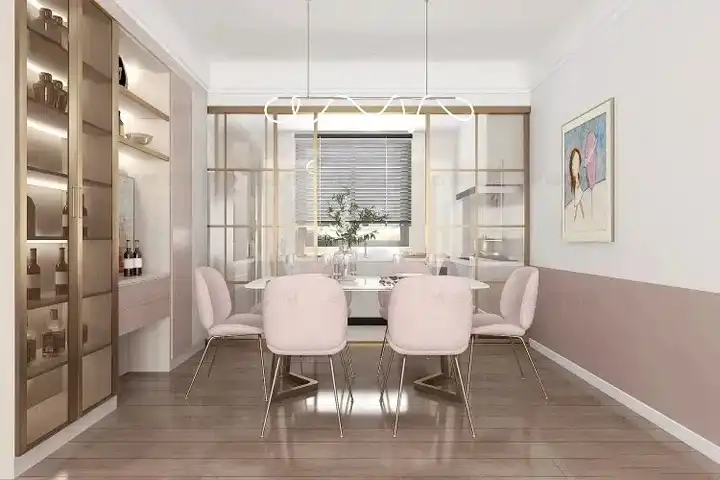
The open-plan dining and kitchen area is spacious, with wall-mounted cabinets offering extensive storage and display space for artworks, creating a clean and elegant look.

image

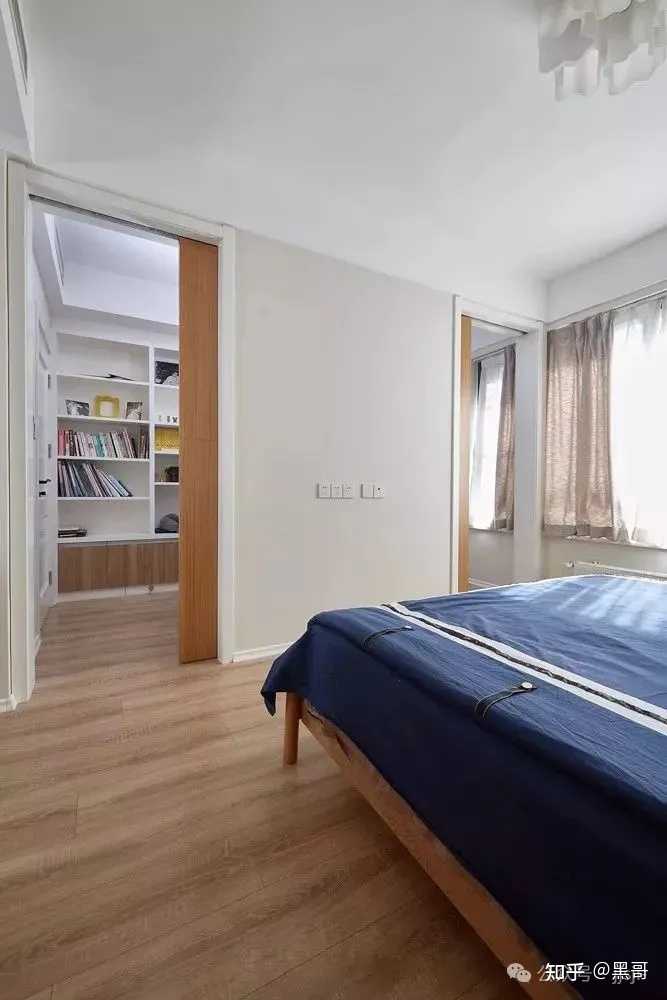
On the second floor, the former walk-in closet is converted into a study, with plans for a projector instead of a TV. Sliding doors save space and enhance aesthetics.

image

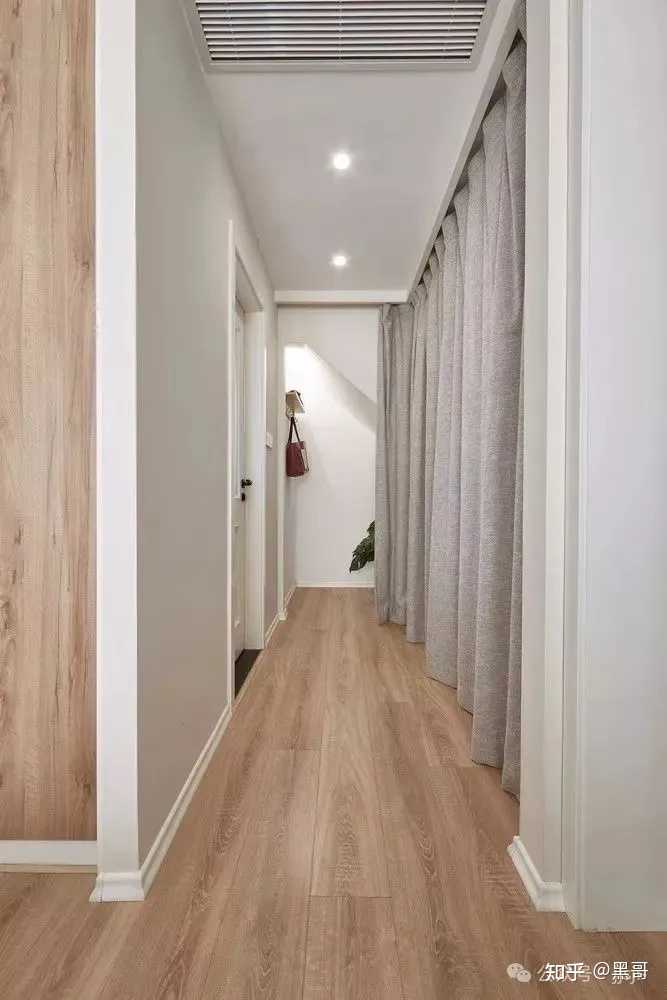
The corridor to the secondary bedroom includes hidden storage behind zippered panels, offering massive storage that doubles as a walk-in closet.

image

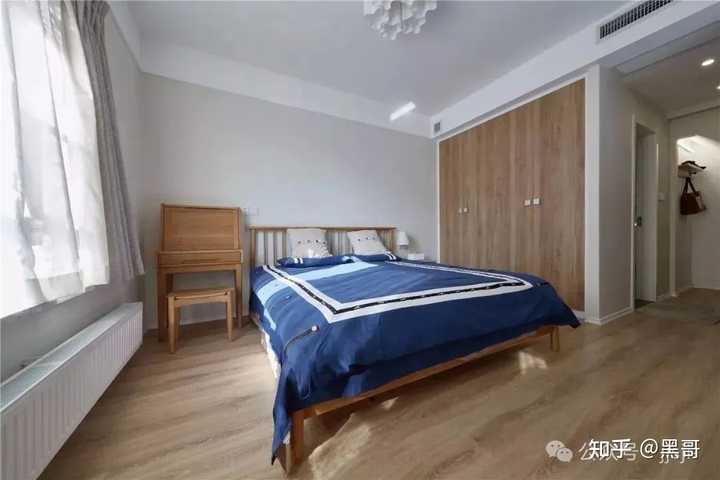
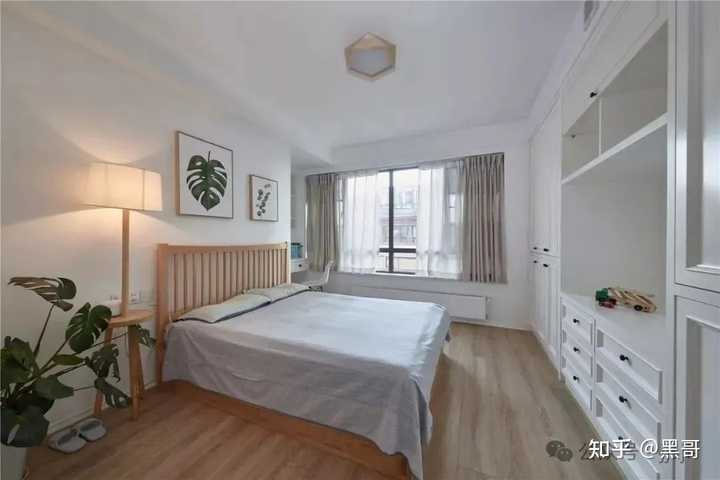
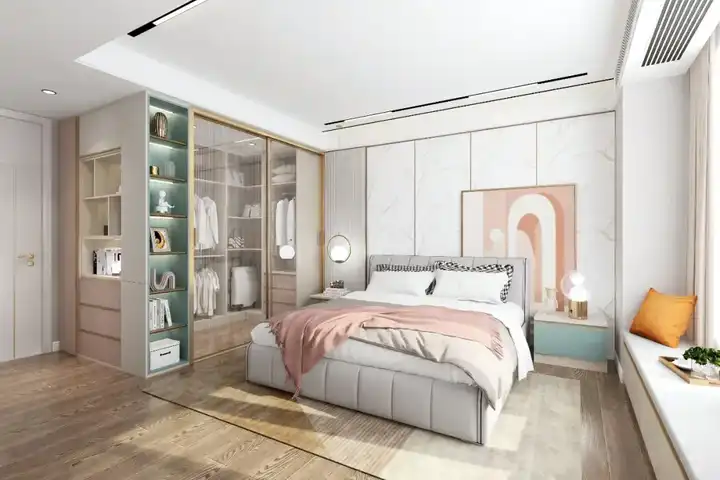
The secondary bedroom is spacious and minimalist, with custom-built wardrobes for storage and a large bay window for comfort and elegance.

image

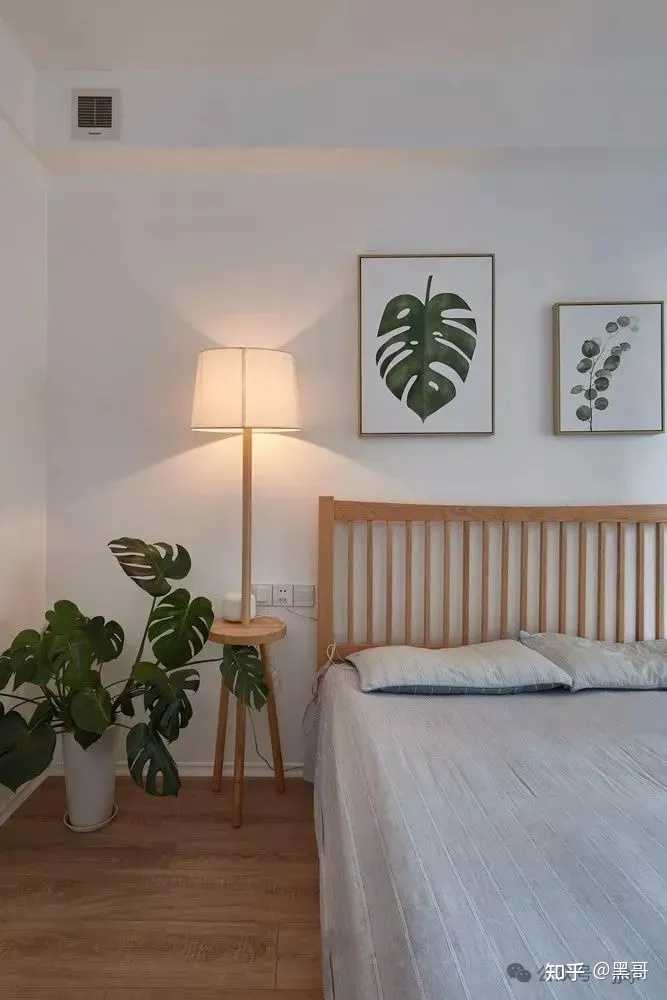
White walls are easily accentuated with decor like plants and paintings, paired with Nordic design for a practical and cozy feel.

image

The children’s room boasts excellent lighting, with bunk beds to accommodate multiple children and ample space for rest and play areas.

Comprehensive Guide to Popular Interior Design Styles: Nordic, Modern, Japanese, Minimalist, and Industrial Trends for Home Decoration and SEO Optimization

Have you ever found it challenging to define a specific interior design style? Overhyped styles are often difficult to implement in real-life scenarios due to variations in house structures, furniture choices, and budgets. Rarely do homeowners copy a style exactly; instead, they blend elements from different styles to create personalized spaces. For example, a bachelor apartment in Sichuan combines industrial and Nordic influences, resulting in a mixed design approach.

Mixed design example

Common and enduring design styles include Nordic, Modern, Japanese, Minimalist, and Industrial. These styles serve as references for creating functional and aesthetic homes.

Nordic Style

Nordic design focuses on economy and practicality, emphasizing natural light and ventilation. Common color schemes include wood tones, neutrals, and cool colors.

Nordic style example

Modern Style

Modern design, also known as functionalism, prioritizes space utility with clean lines, minimal decor, and materials like fabric sofas and simple furniture.

Modern style example

Japanese Style

Japanese interiors emphasize privacy, organization, and natural materials such as wood, bamboo, and cotton. Tatami mats are common for multifunctional use and storage.

Japanese style example

Industrial Style

Industrial design highlights retro elements and raw materials like concrete, brick, and metal. It is not limited to lofts and can incorporate open layouts with glass partitions.

Industrial style example

Minimalist Style

Minimalism removes unnecessary decorations, focusing on simple lines, geometric shapes, and cohesive color palettes to create spacious and orderly environments.

Minimalist style example

By integrating these styles, homeowners can achieve balanced and timeless interiors that reflect their personalities and needs.

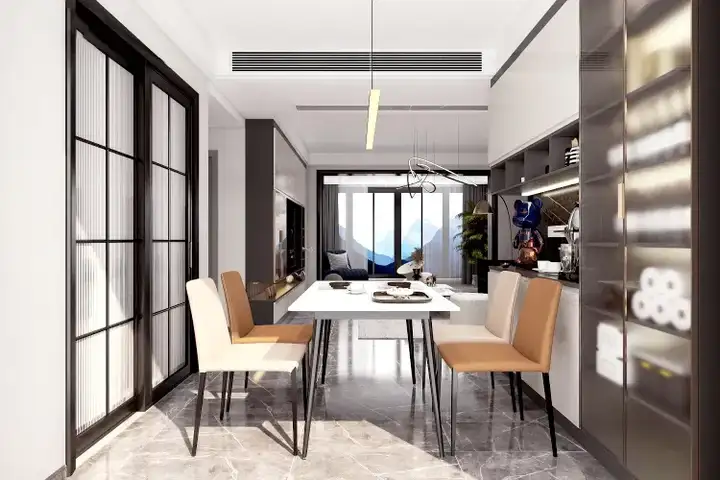
Italian Light Luxury Home Decoration Styles: Explore Nordic, Vintage, American Retro and Modern Interior Design Trends for Cozy Living Spaces

Italian Light Luxury Style

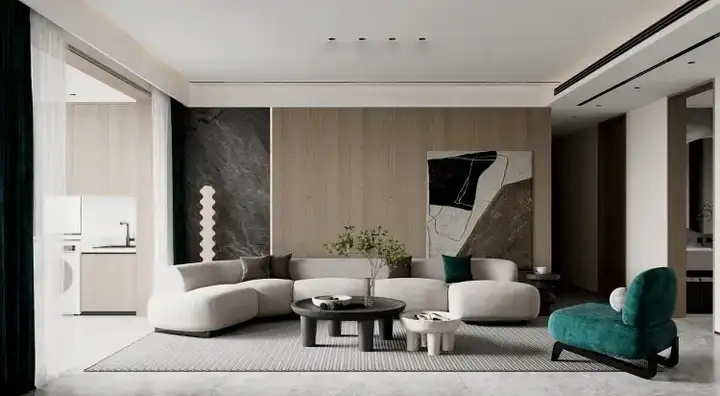
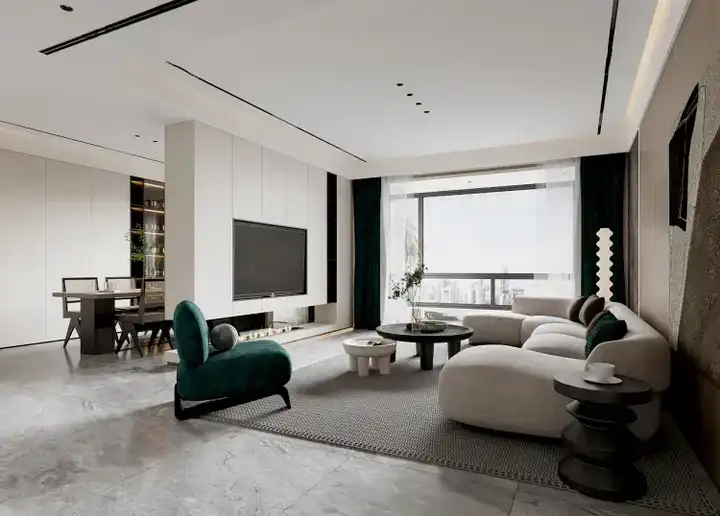
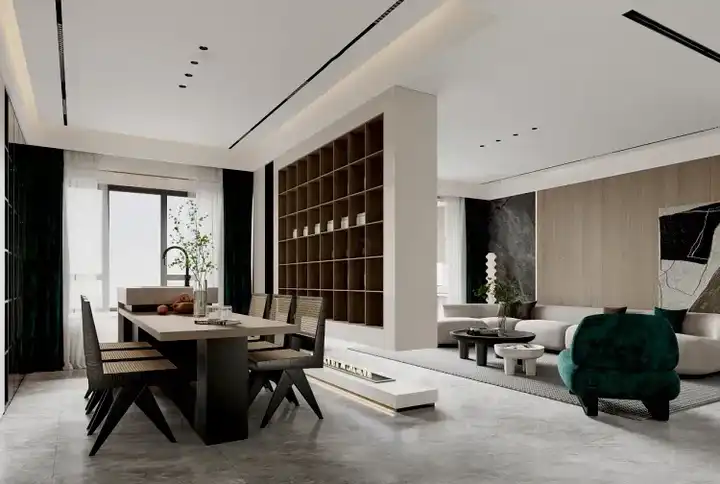
Light luxury style, log style, mid-century style… Check out all the most popular decoration styles of the year in one go! Today, we’ll introduce six hot decoration styles to help you decide on your new home decoration without hesitation, hoping to inspire you!!!

imageimageimageimageimageimageimageimageimageimageimageimageimageimage

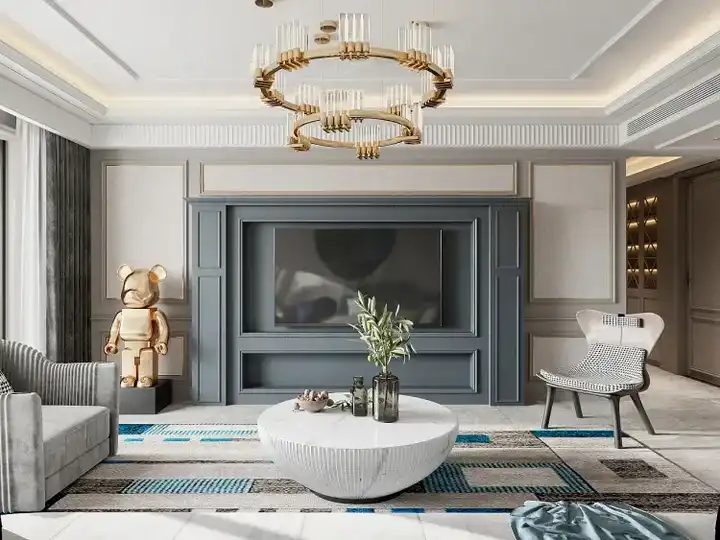
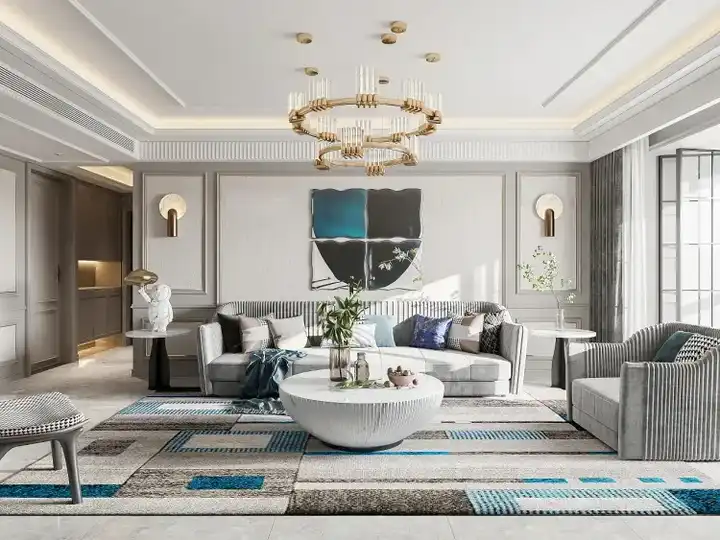
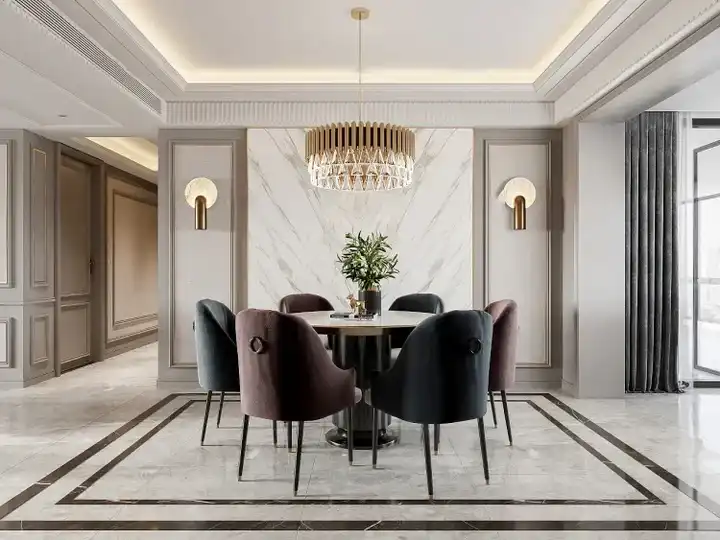
The living and dining room feature a modern and luxurious design, with clean lines and exquisite craftsmanship being the essence of Italian customization. The bedroom space is both elegant and comfortable, with a low-key luxury.

imageimageimageimageimageimageimageimageimageimageimageimage

Cozy Nordic style, with many multi-functional cabinets designed according to the homeowner’s lifestyle, achieving 100% space utilization and implementing practicality to the fullest. The soft furnishings include soft, milky sofas, especially suitable for families with children, warm and safe.

imageimageimageimageimageimageimageimageimageimageimageimage

The handle-less design throughout the house is more advanced, with top-to-ceiling sideboards and hollow TV walls as partitions, personalized luxury. The background wall uses stone patterns and solid wood textures to create a high-end feel, and the overall accessories are just right.

imageimageimageimageimageimageimageimageimageimageimageimage

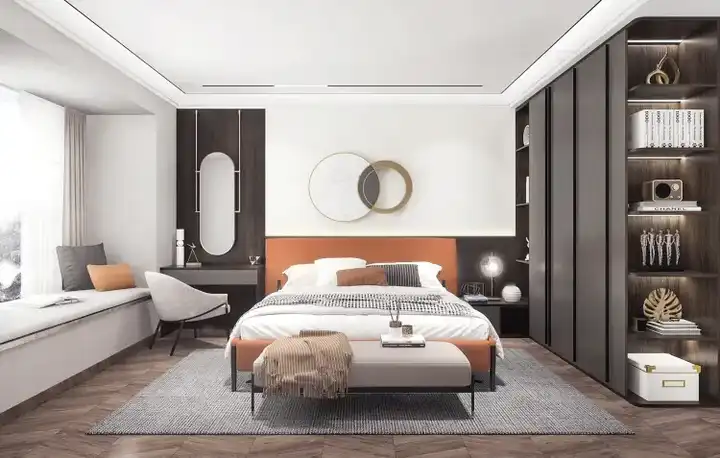
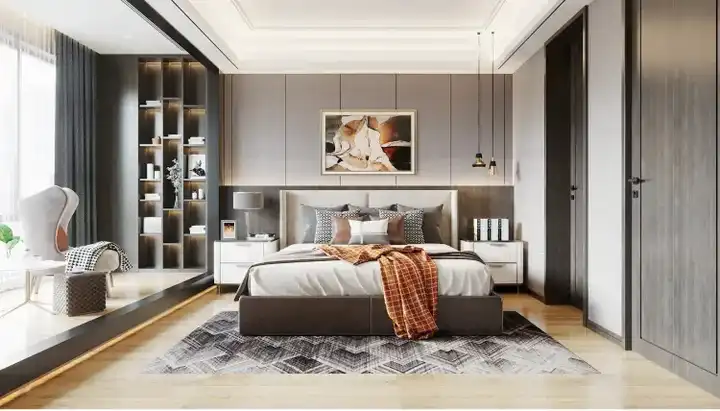
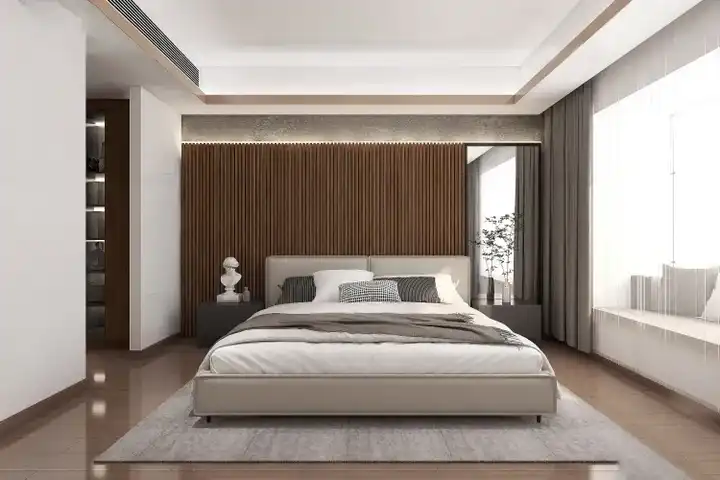
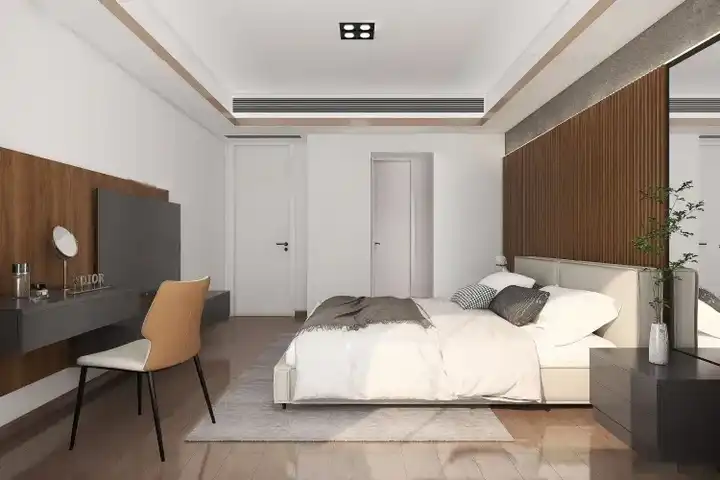
The living and dining room feature a popular cream color scheme, with dark gray accents adding spatial hierarchy, and a balance of hidden and exposed spaces to avoid压抑. The bedroom uses brown grille panels as the background wall, warm and stylish.

imageimageimageimageimageimageimageimageimageimageimageimageimageimage

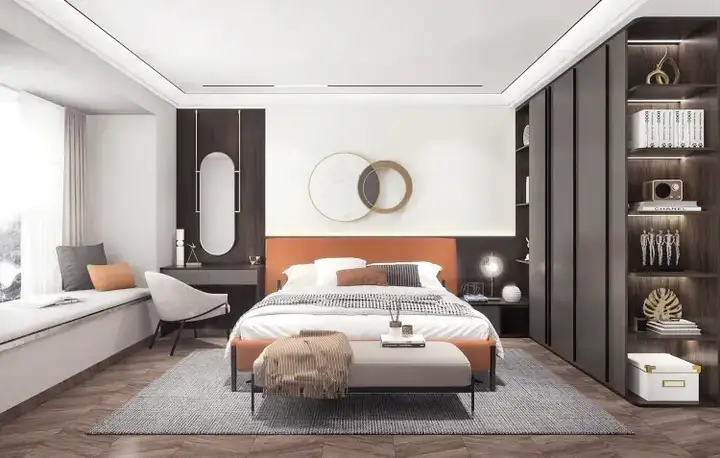
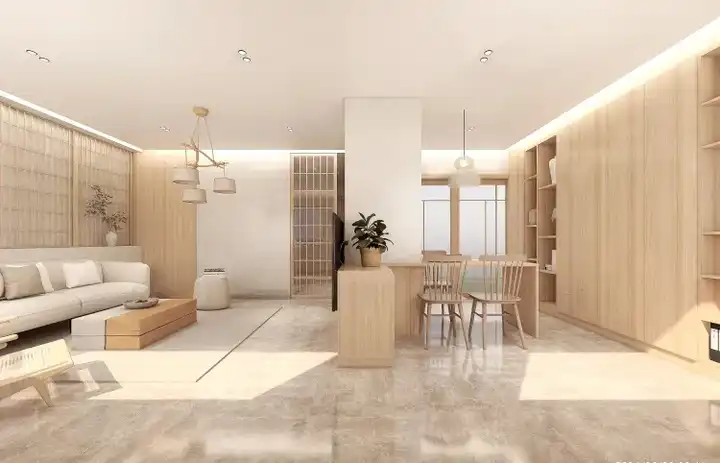
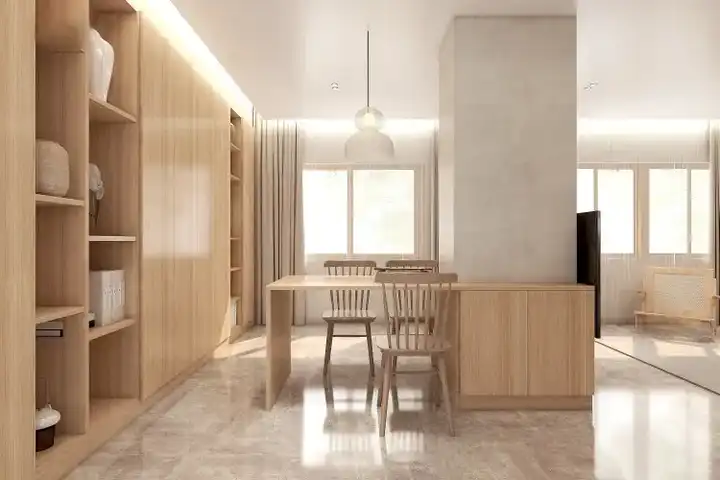
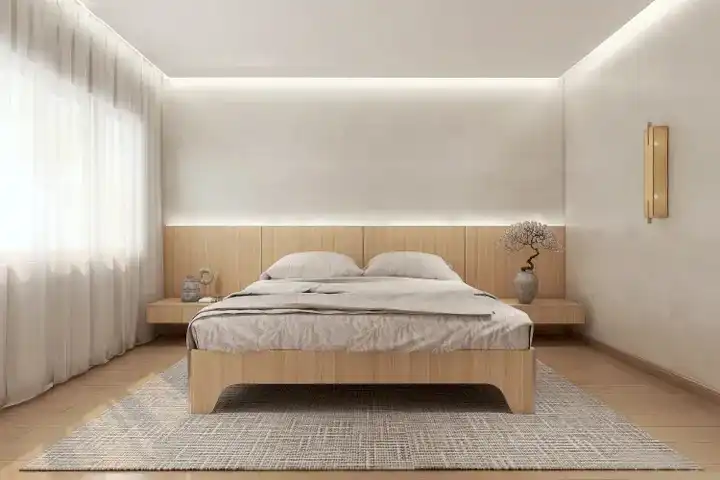
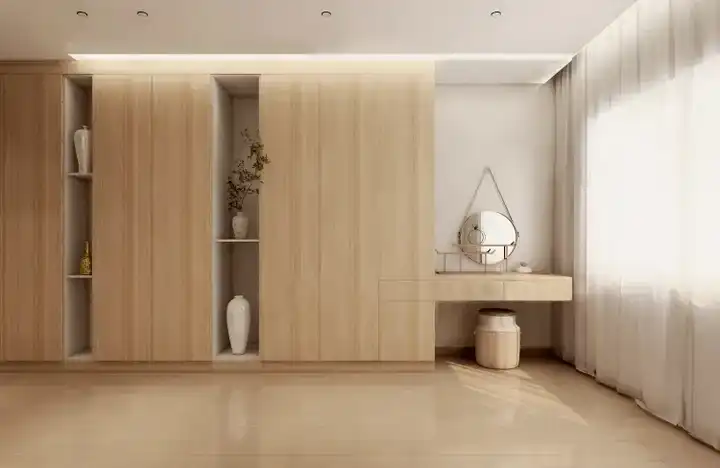
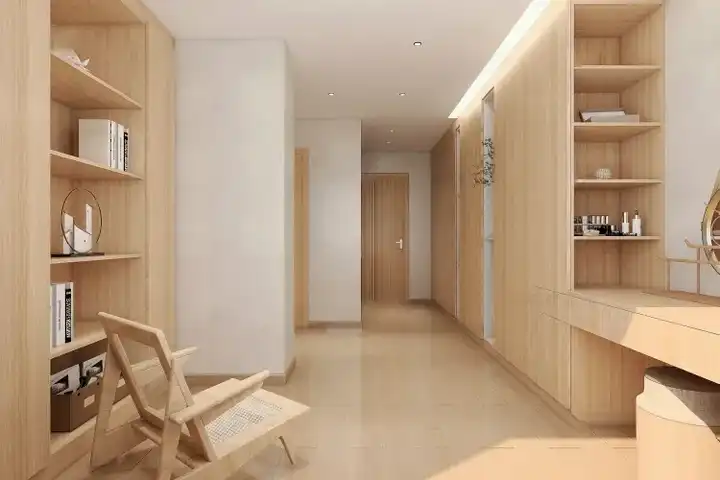
It uses natural wood as the main element, creating a warm and natural living environment. The top-to-ceiling wardrobe provides ample storage space for the bedroom, and the home arrangement has a Zen-like feel.

imageimageimageimageimageimageimageimageimageimage

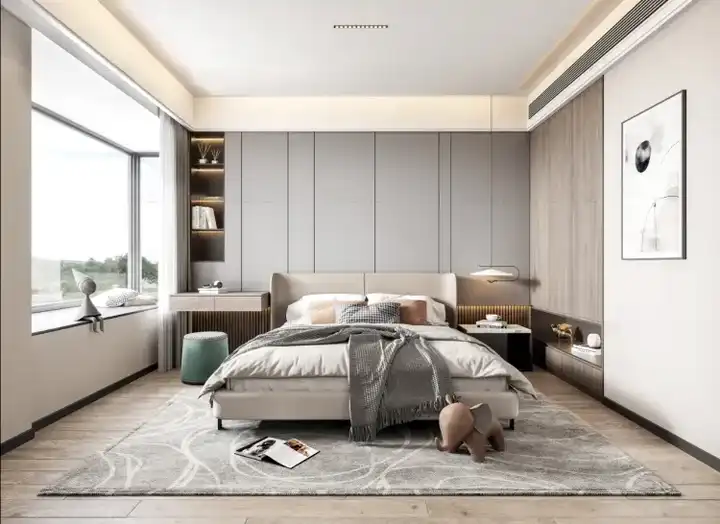
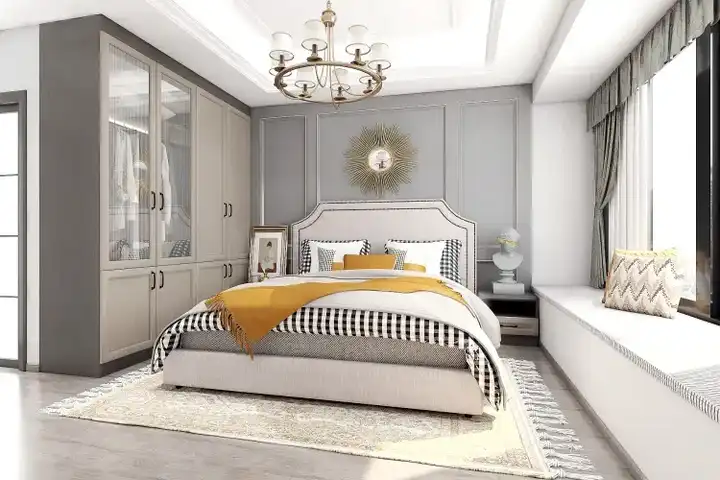
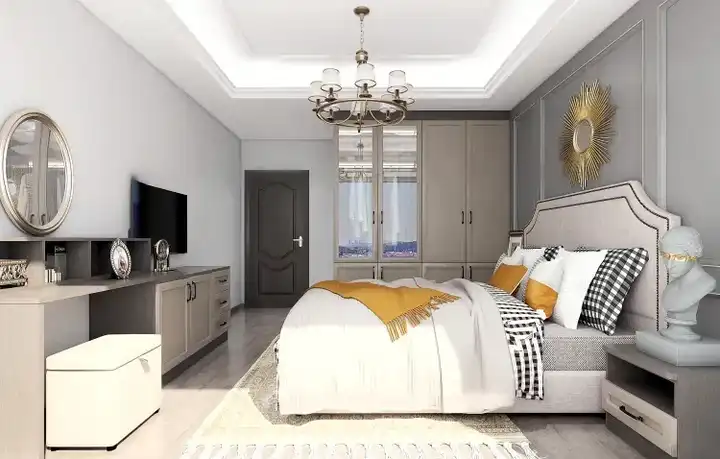
American retro style often gives a sense of the weight of time. Large areas of dark and medium colors, chandeliers, gypsum board background walls, and warm wood floors are all classic American designs. The bedroom continues the light gray color scheme from the living and dining room, with top-to-ceiling wardrobes and bay windows adding storage space.

Comprehensive Guide to Popular Interior Design Styles: Nordic, Modern, Japanese, Industrial, and Minimalist for Home Decoration

Have you ever found it challenging to define a specific interior design style clearly?

Overhyped ‘styles’ are often difficult to achieve in practical design and renovation due to variations in house structures, furniture choices, and budgets. In reality, few people copy a style directly; instead, homeowners use elements as references to create personalized spaces. For example, a bachelor apartment in Sichuan blends industrial and Nordic influences, exemplifying mixed design.

Mixed design exampleInterior viewDesign detail

This case from two years ago remains timeless, reflecting the owner’s personality. Common styles include Nordic, Modern, Japanese, Minimalist, Industrial, Chinese, and American, with the first five being design classics.
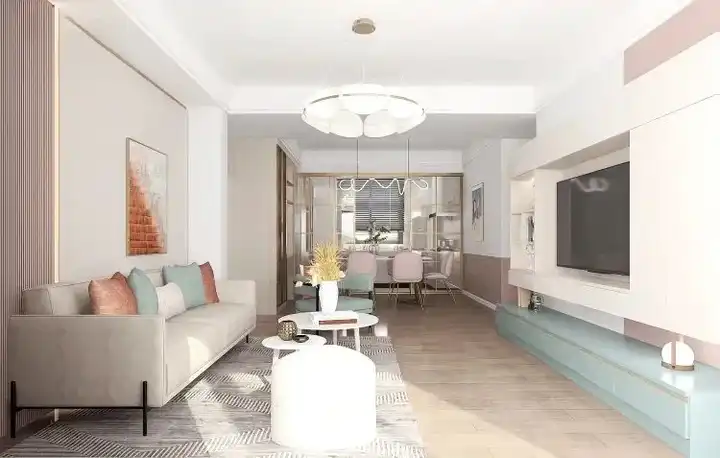
1. Nordic Style: Emphasizes economy and practicality, with a focus on essential items like chairs and lighting rather than decorative excess. Common color schemes involve wood tones, neutrals, and cool shades, with great importance placed on natural light and ventilation.

Nordic design exampleNordic interiorLighting in Nordic style

2. Modern Style: Also known as functionalism, it prioritizes space utility with clean lines, minimal decor, and practical materials. Visual comfort and unity are key, often featuring fabric sofas and simple furniture.

Modern design exampleModern interiorFunctional space

3. Japanese Style: Focuses on privacy, organization, and natural materials like wood, bamboo, cotton, and linen. It often includes low furniture, tatami mats for multifunctional use, and efficient space utilization for a serene, orderly feel.

Japanese design exampleTatami roomNatural materials

4. Industrial Style: Highlights retro elements, industrial materials like concrete and metal, and a raw aesthetic. It is not limited to lofts and can incorporate features like exposed bricks and iron furniture for a rugged yet functional look.

Industrial design exampleIndustrial interiorMetal details

5. Minimalist Style: Originated in mid-20th century America, it removes unnecessary decor, focusing on clean lines, geometric shapes, and cohesive color palettes to maximize space perception. Simplicity in hardware and hidden elements like pre-set wires achieve a clutter-free environment.

Minimalist design exampleMinimalist interiorClean lines

Comprehensive Guide to Popular Interior Design Styles: Nordic, Modern, Japanese, Minimalist, and Industrial for Home Decoration and Renovation Tips

Have you ever found it difficult to define a specific interior design style clearly?

Overhyped ‘styles’ are challenging to achieve in actual design and renovation due to variations in house structures, furniture choices, and budgets. Do people really decorate by copying a style exactly? In reality, hardly anyone does! Homeowners often use preferred styles as general references, incorporating elements to create a personalized home. For example, this single apartment in Sichuan combines industrial touches with Nordic influences, showcasing a typical mixed design approach.

Mixed Design ExampleInterior View

This case from two years ago remains timeless and reflective of the owner’s personality. Let’s outline common styles: Nordic, Modern, Japanese, Minimalist, Industrial, Chinese, and American, with the first five being design classics.
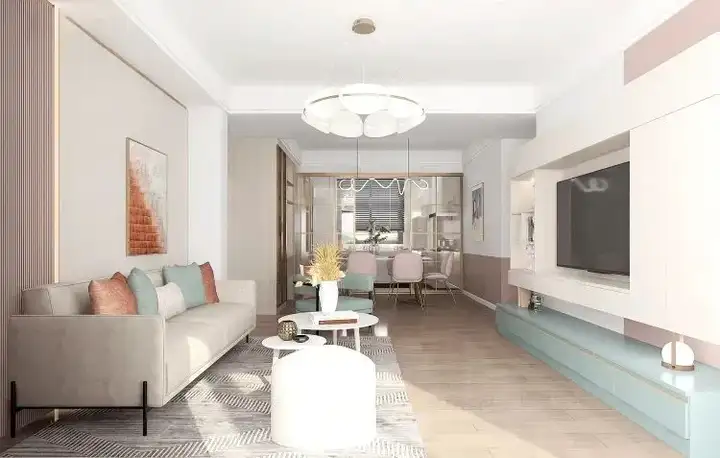
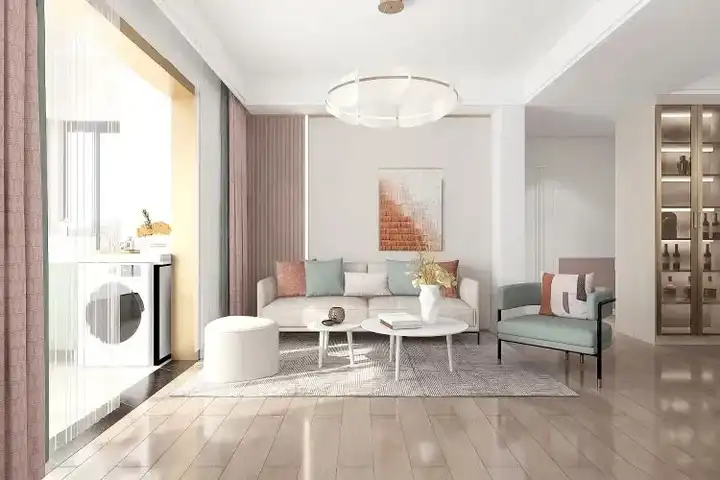
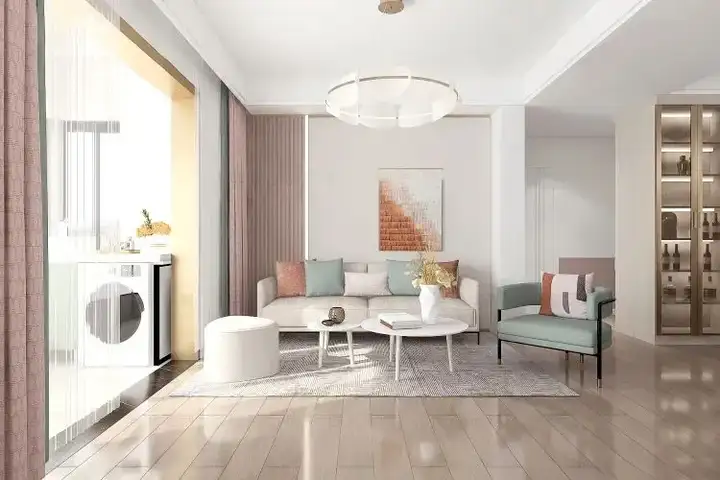
1. Nordic Style: Nordic design embraces decoration but prioritizes economy and practicality. For instance, Nordics value chairs and lamps where needed, avoiding overly ceremonial setups.
Nordic Design

Common color schemes include wood tones, neutrals, neutrals with cool or bright colors, and cool shades. Nordics emphasize natural light and ventilation, crucial for comfort.

Nordic Lighting

2. Modern Style: Also known as functionalism, it focuses on space functionality with simple shapes, no excess decor, and versatile materials. Often features fabric sofas and sleek furniture.

Modern Interior

3. Japanese Style: Pure Japanese style is rare; most prefer modern interpretations like Muji. It emphasizes privacy, ventilation, light, and layout, with strong spatial order and storage solutions.

Japanese Design

Furniture is low, wooden, and minimalist, using natural materials like rattan, cotton, and hemp. Tatami mats are common for storage and multi-function use.

Tatami Example

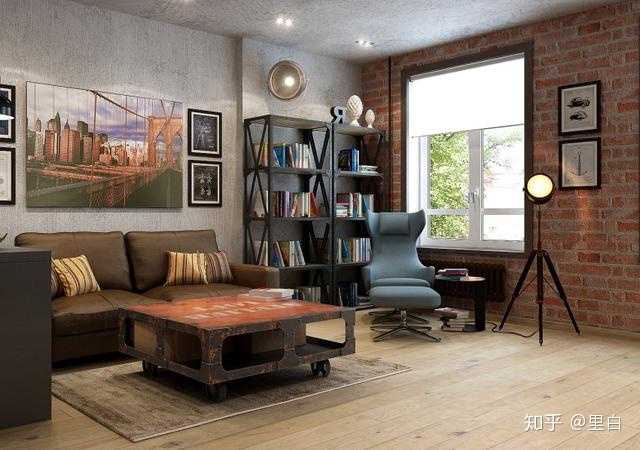
4. Industrial Style: Key aspects include retro elements, industrial materials, and adaptability beyond lofts. Features concrete, brick, metal, leather sofas, and iron furniture.

Industrial Design

5. Minimalist Style: Originating in mid-20th century America, it removes unnecessary decor, using clean lines and geometric shapes. Colors harmonize to enlarge space visually.
Minimalist Example

Hardware is simple, with hidden wires for a clutter-free environment, embodying minimalism’s essence.
We are a very complete car parts, 95% of the basic accessories can be found

×
WhatsApp WhatsApp contact me online