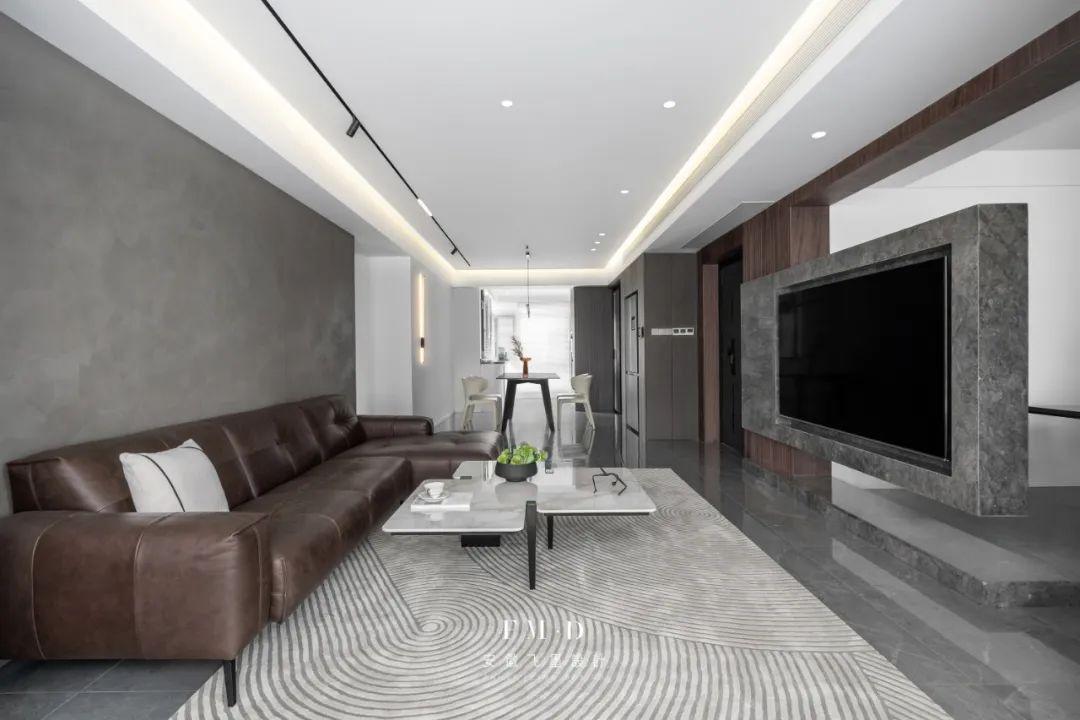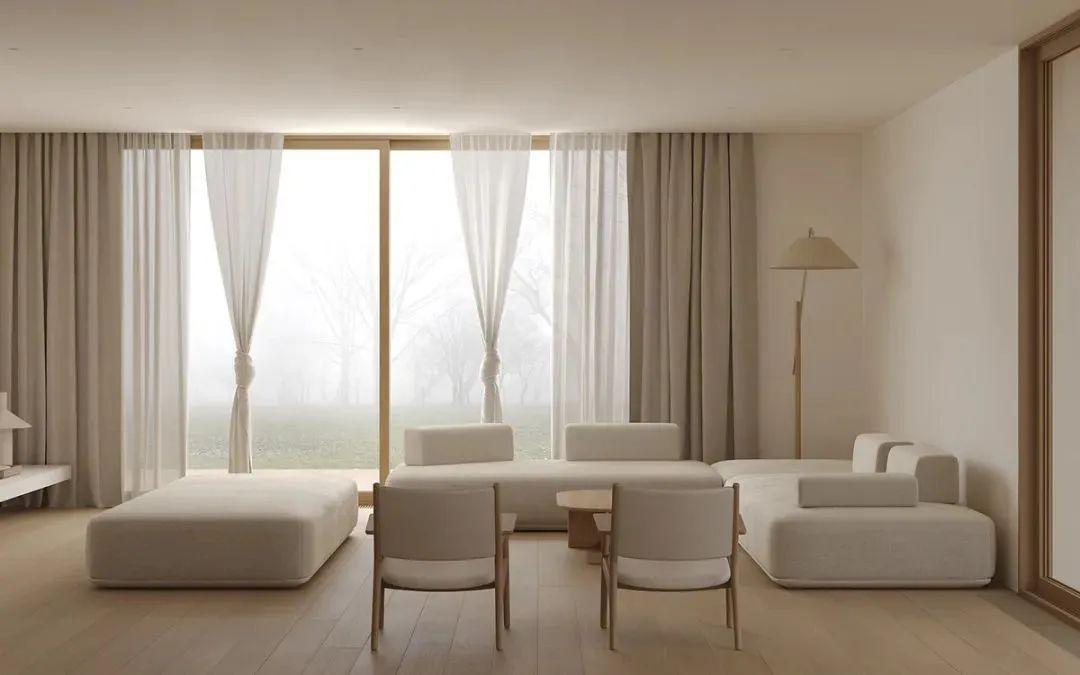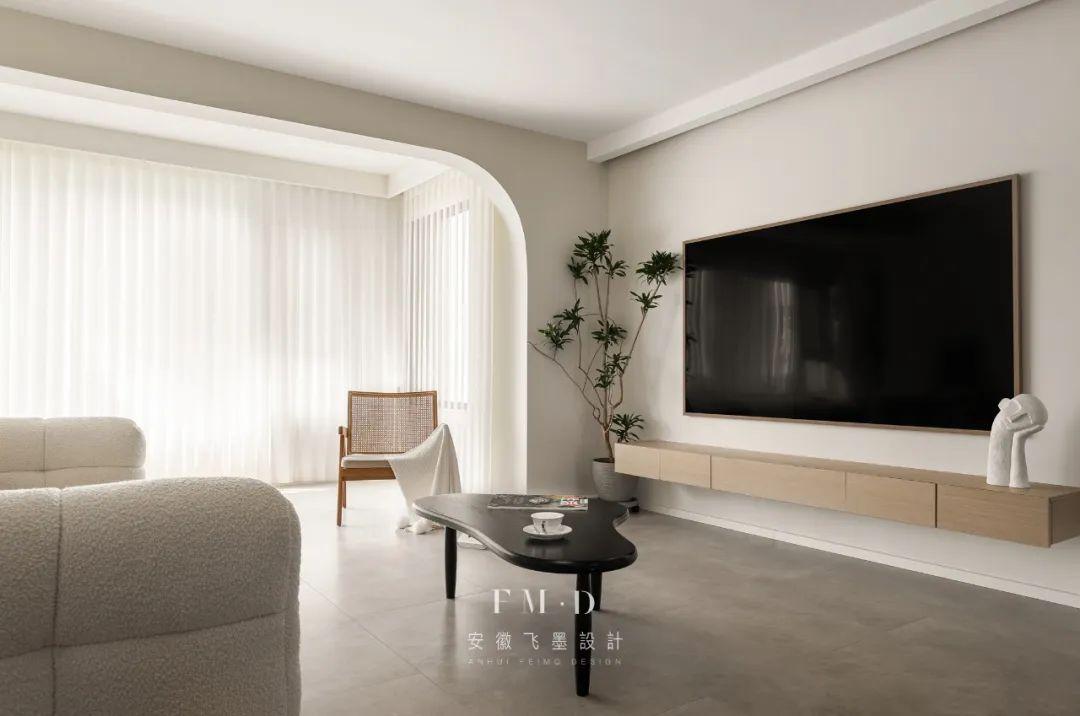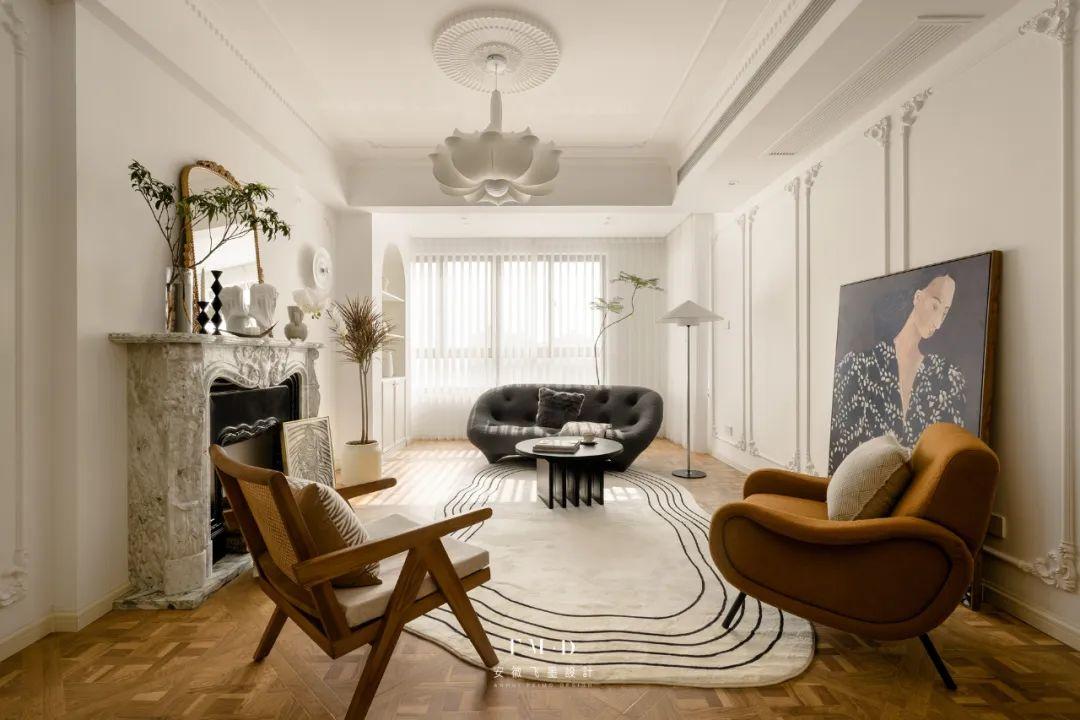
• 0

    No products in the cart.

Comprehensive Guide to 13 Popular Interior Design Styles: Nordic, Minimalist, Modern, Cream, French, and More for Home Decoration and Renovation Tips

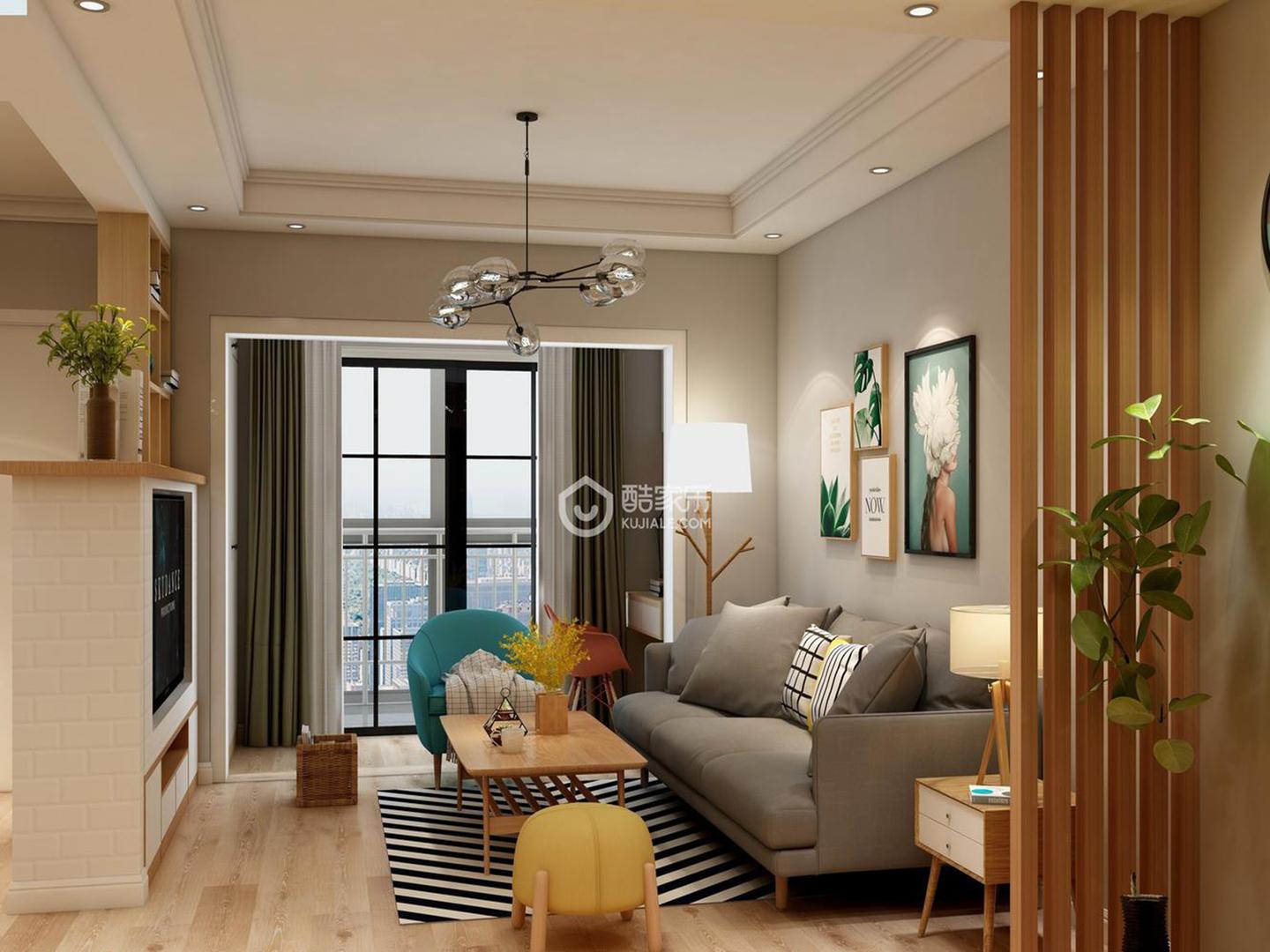
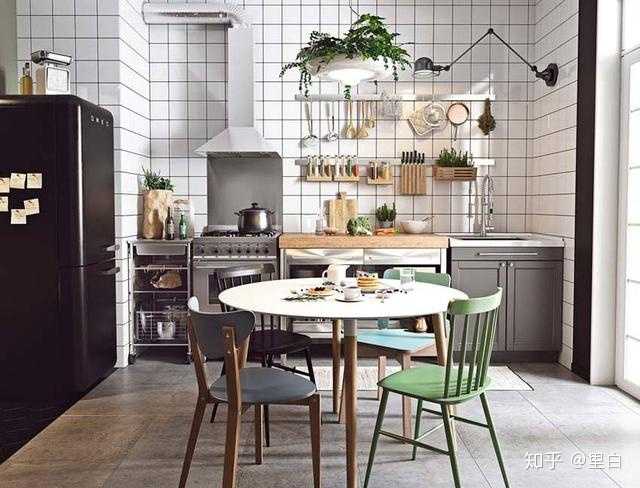
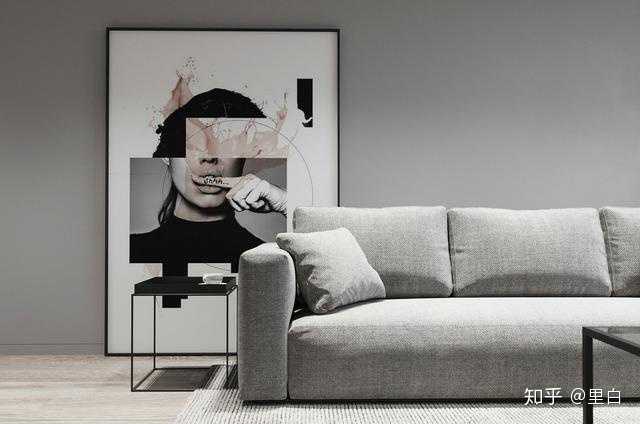
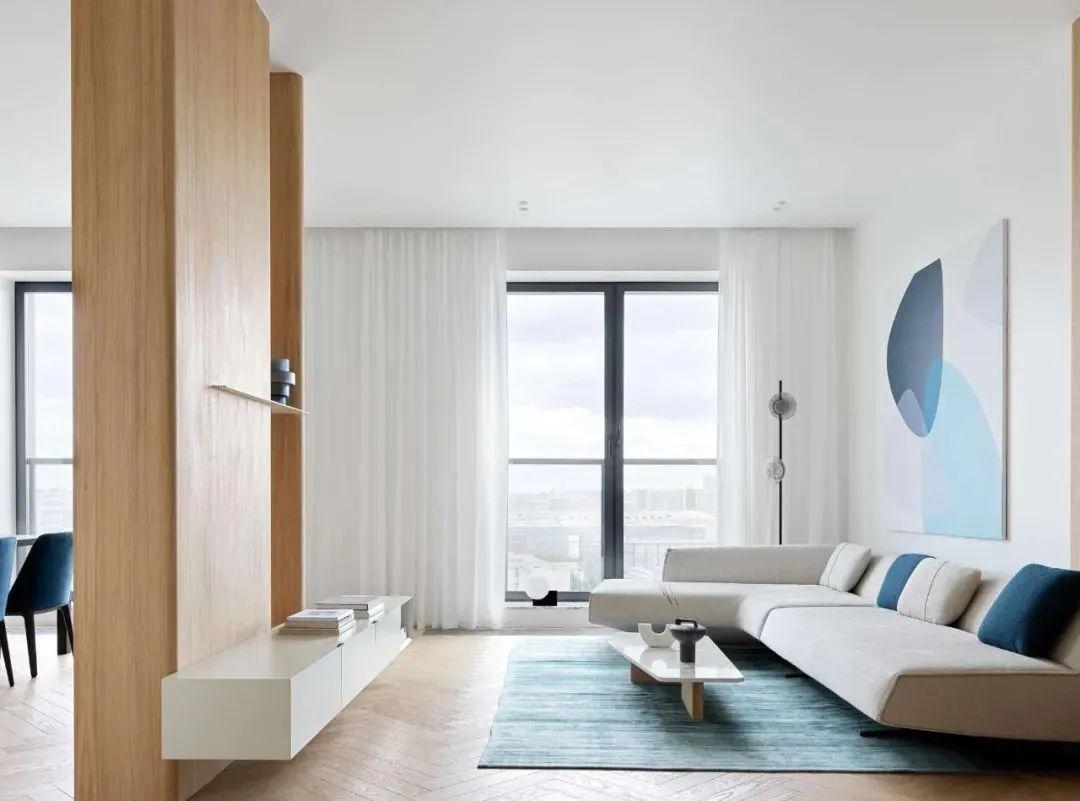
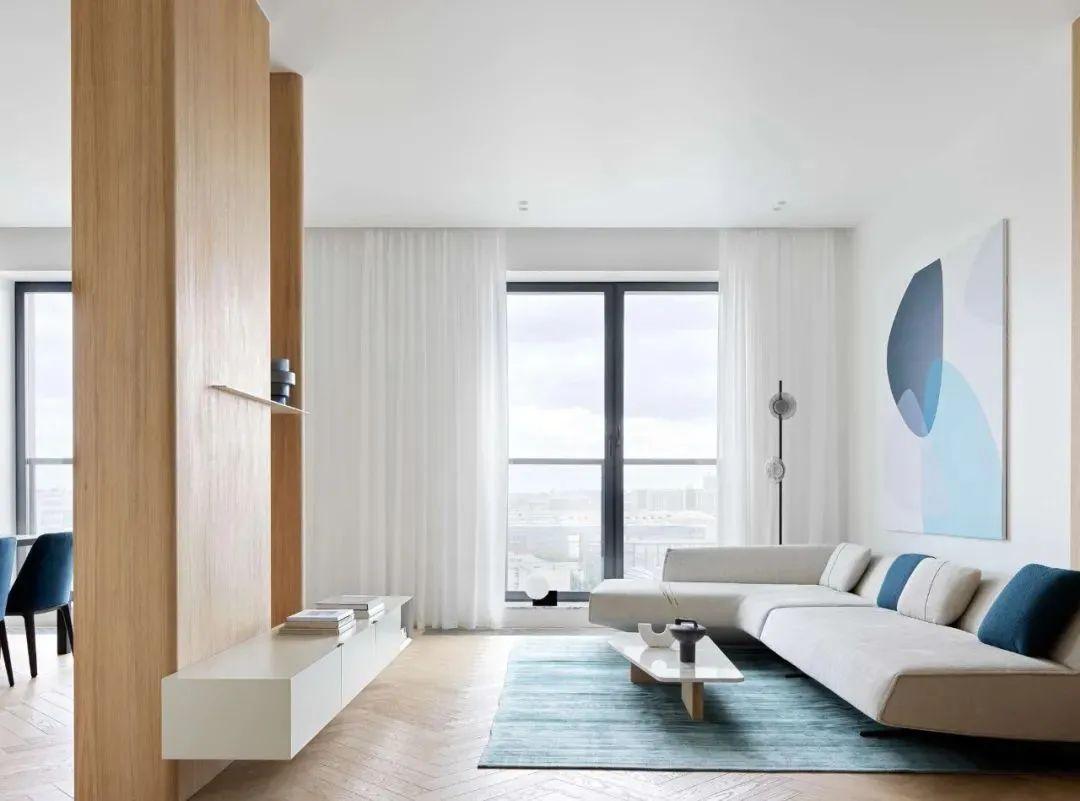
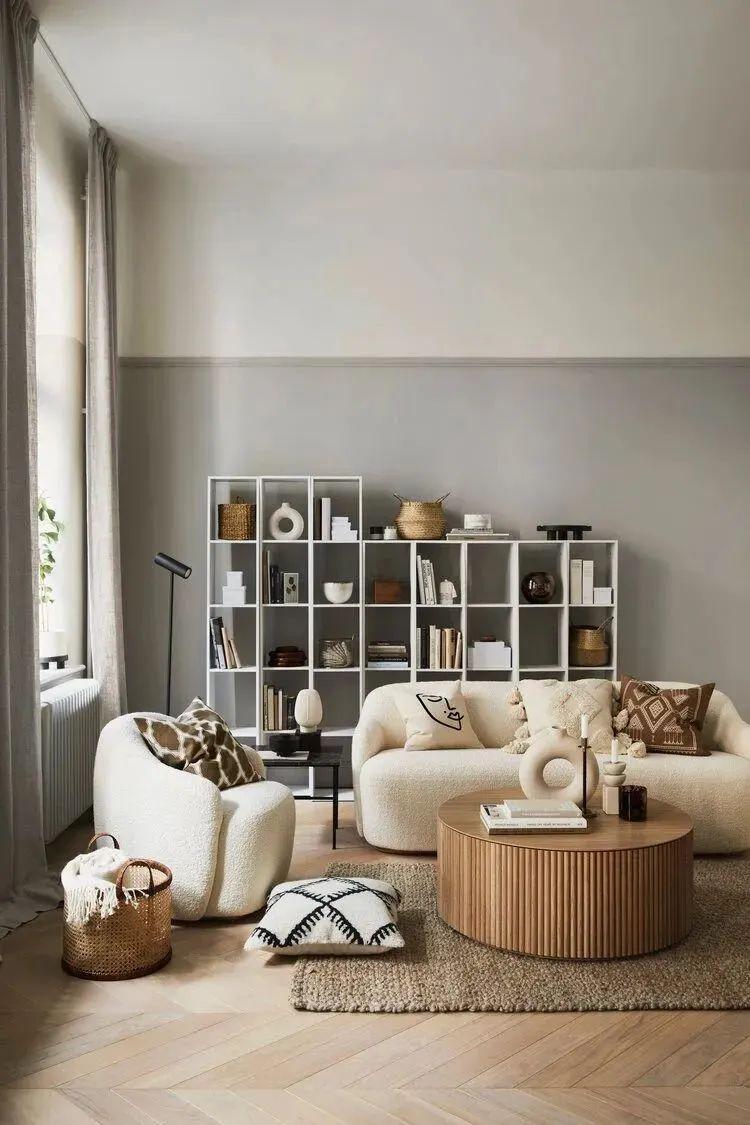
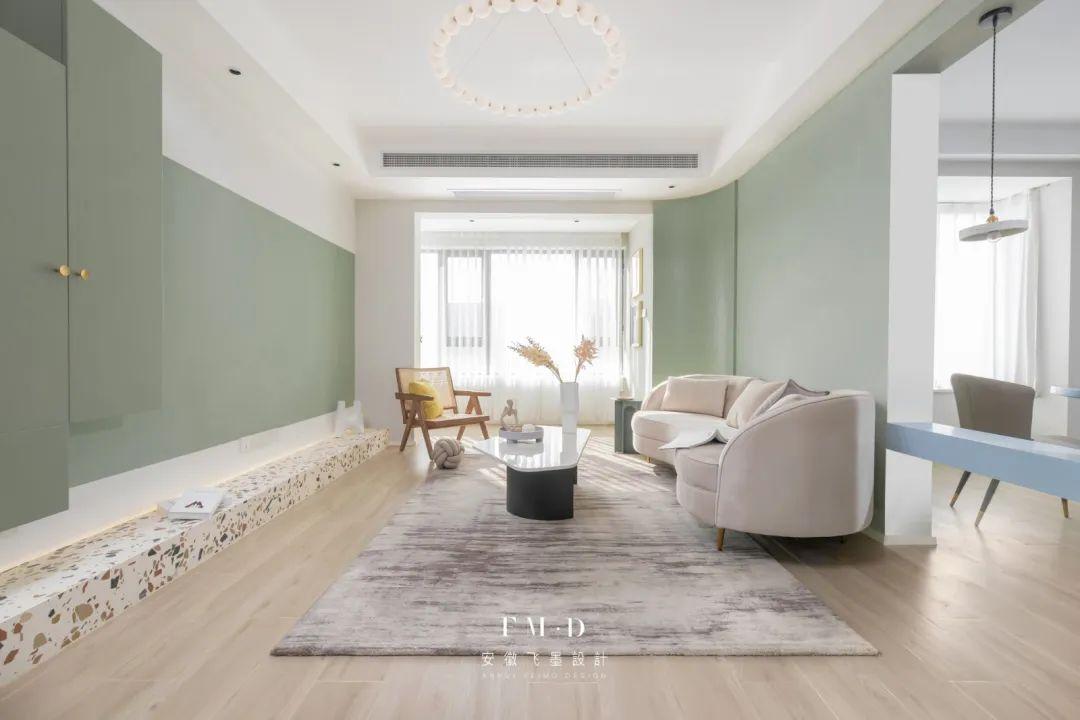
01 Nordic Style

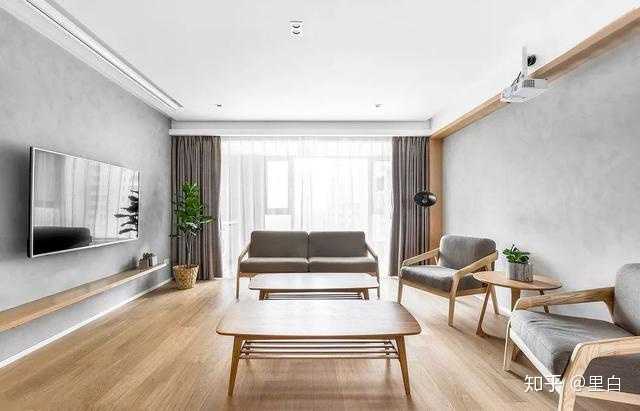
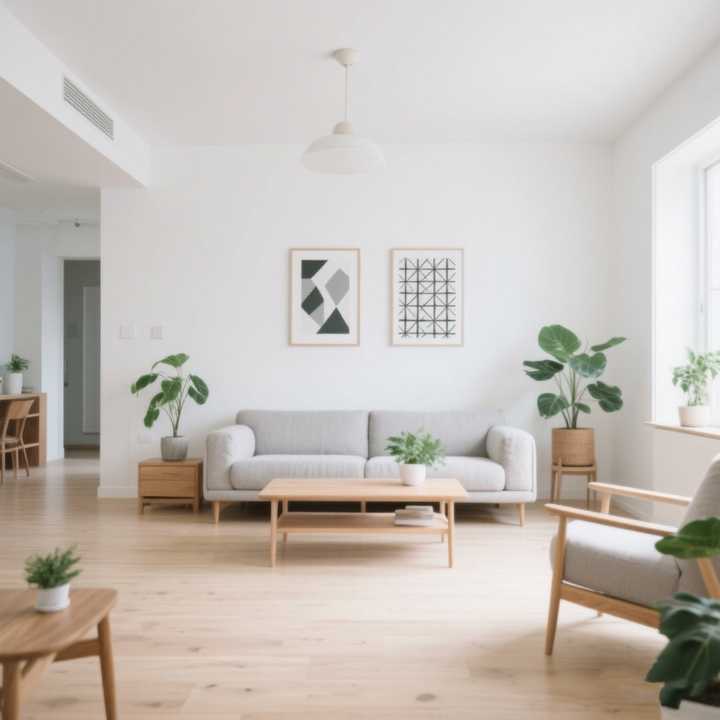
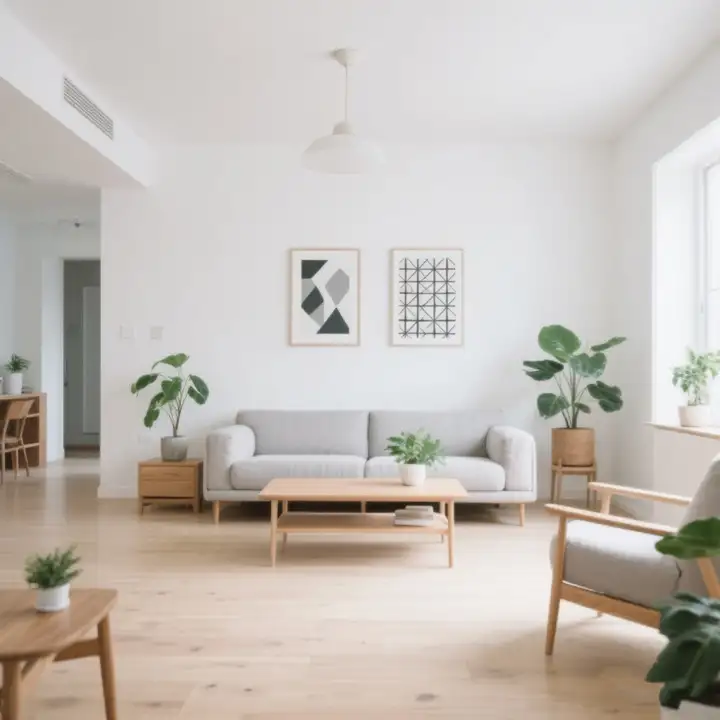
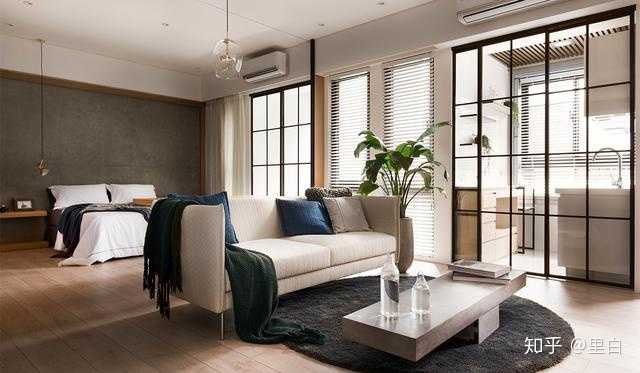
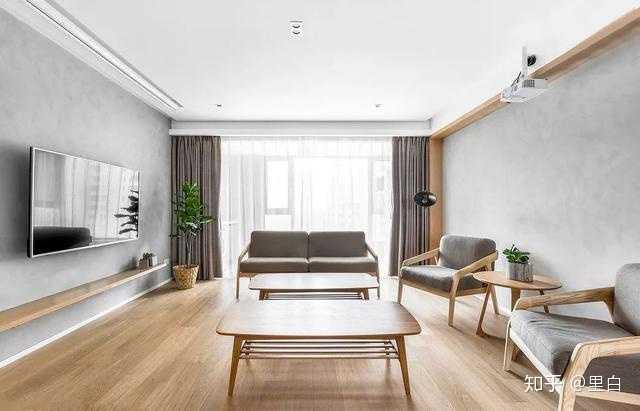
Nordic style is a pioneer in interior design trends, once extremely popular and a top choice for many young homeowners due to its high aesthetics.
imageimage

Nordic style focuses on freshness, cost-effectiveness, high aesthetics, and natural comfort.
image

  • Color schemes are clean and refreshing, often using blue, green, gray, yellow, etc.
  • Materials are simple and elegant, with options like paint for high visual appeal.
  • It is more favored by younger generations compared to traditional styles.

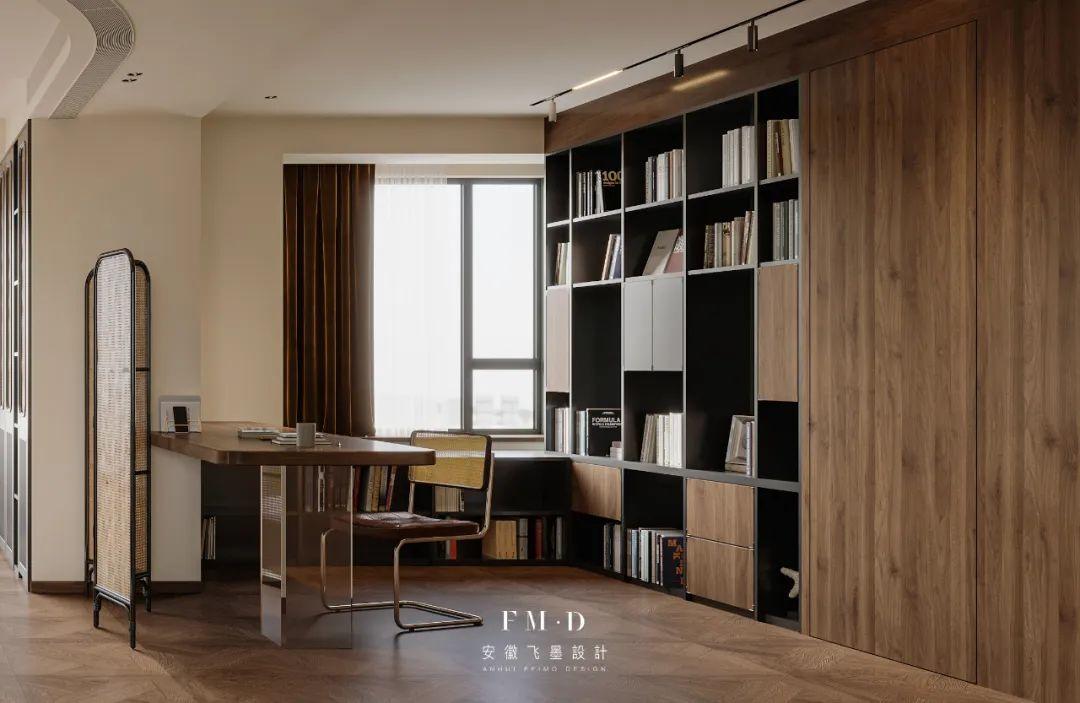
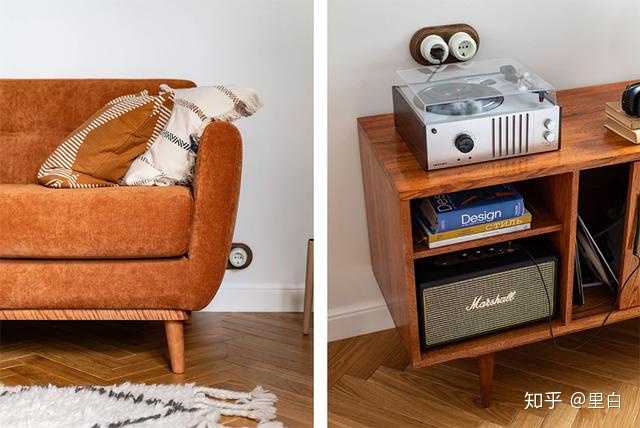
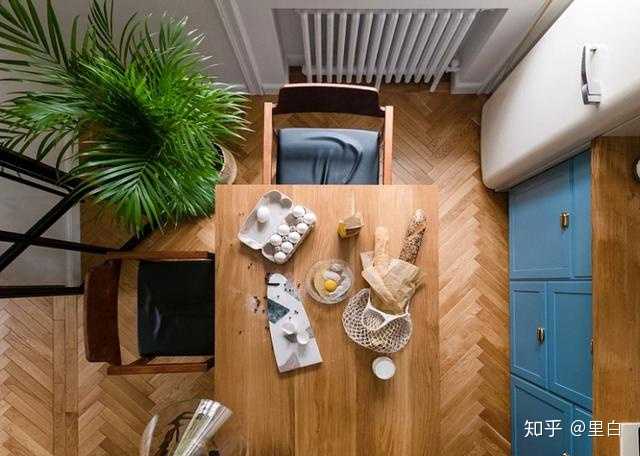
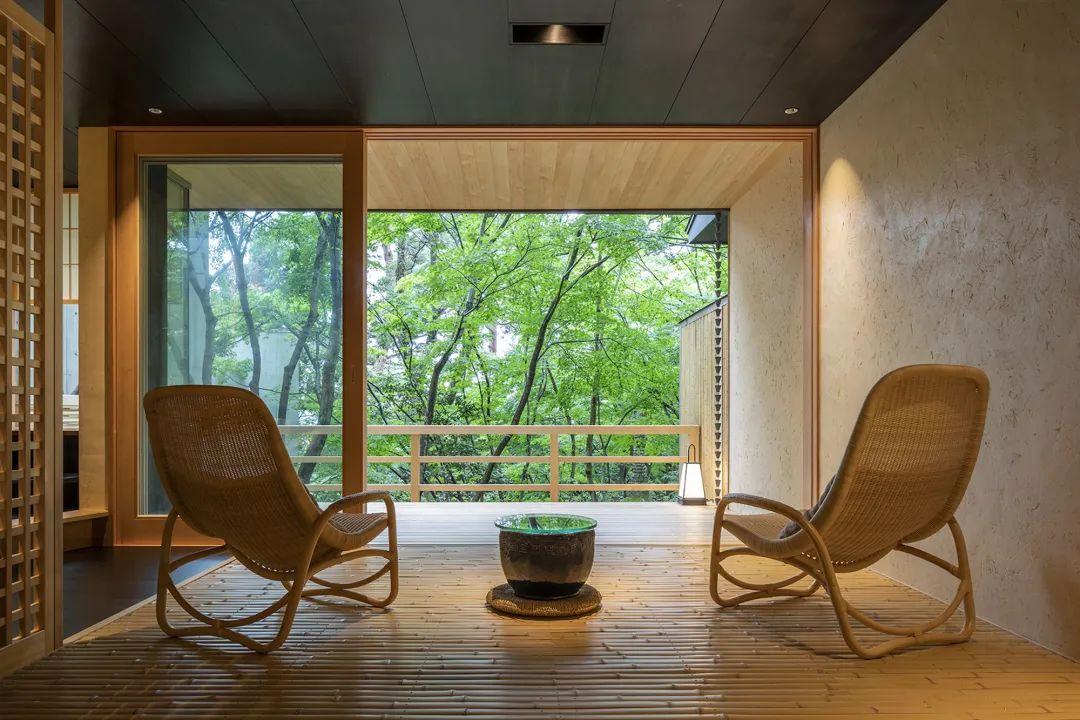
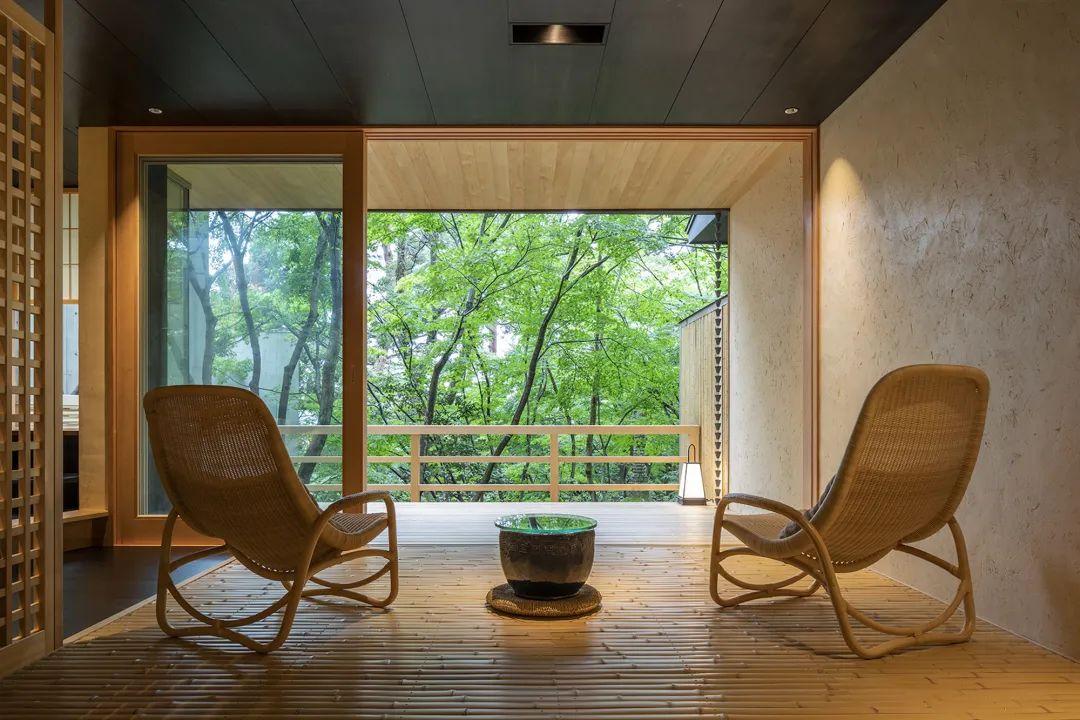
02 Wooden Style

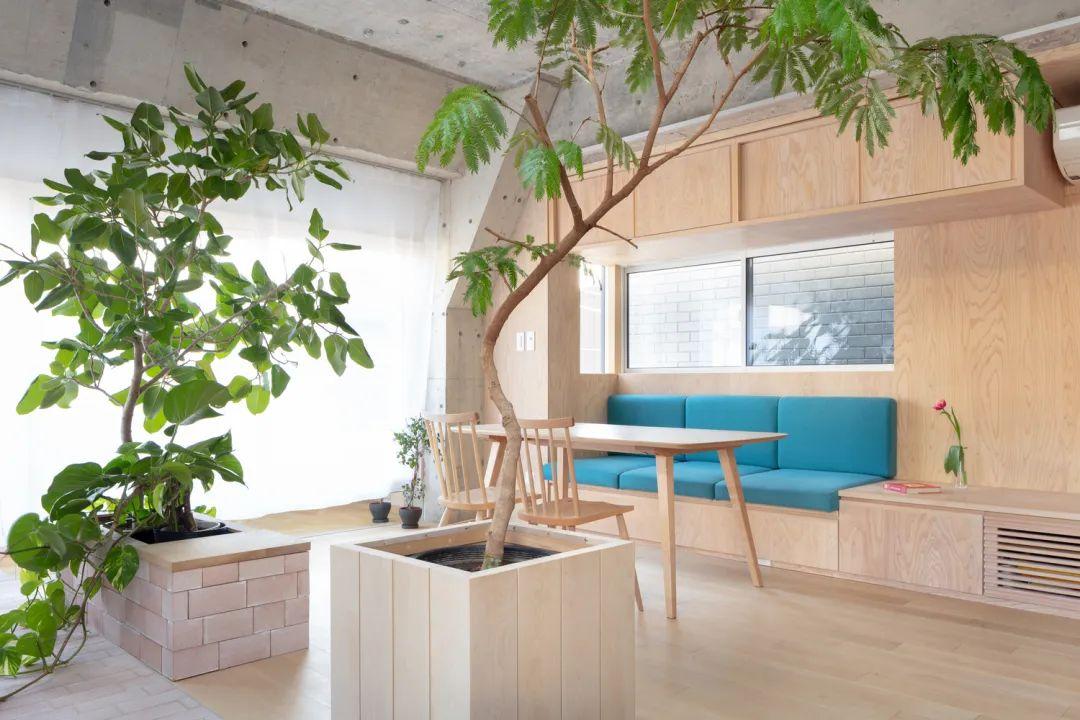
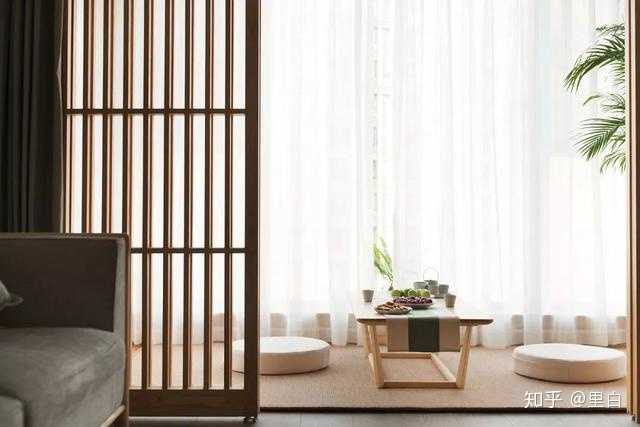
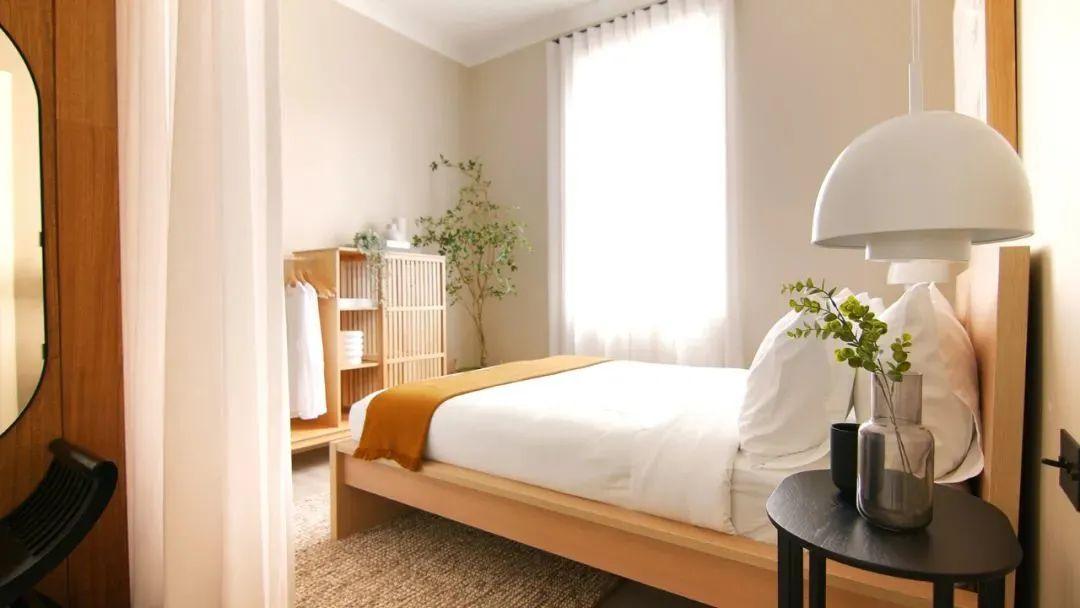
Wooden style is defined by extensive use of natural wood materials, from wall decor to furniture, emphasizing a natural texture.
imageimageimage

  • Walls can use wood panels, lines, or wainscoting.
  • Floors can feature wood flooring or wood-look tiles.
  • Furniture includes wooden tables, cabinets, and beds, paired with suitable soft furnishings.

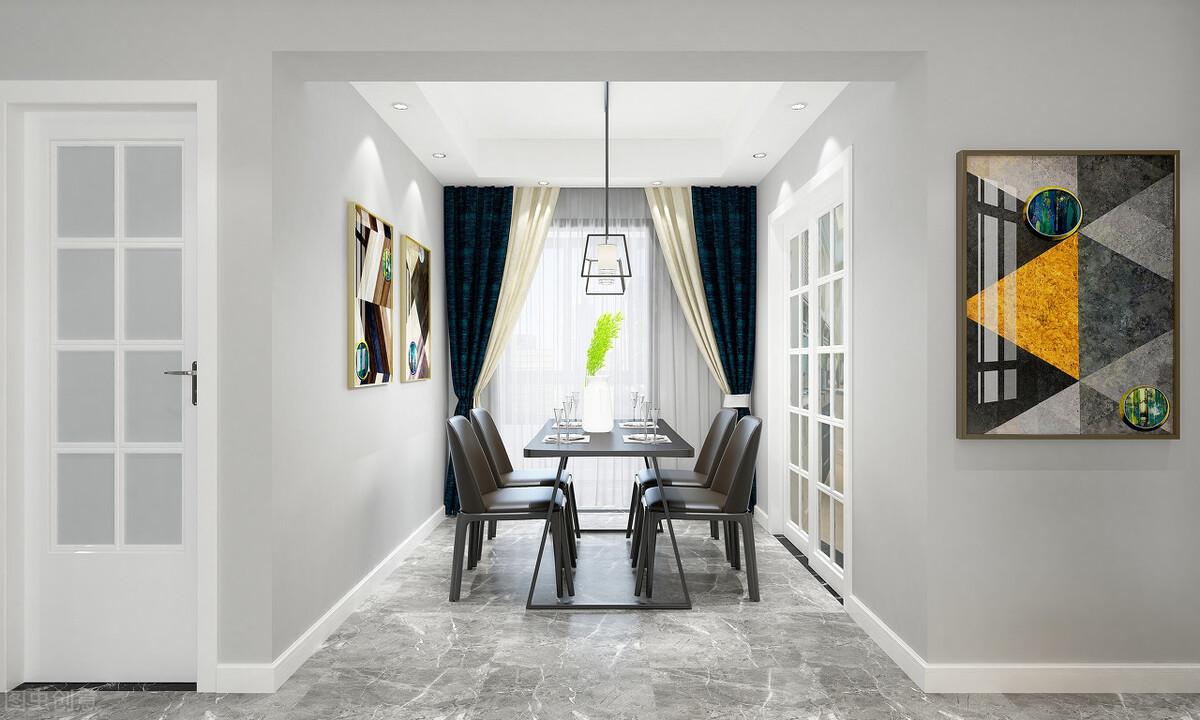
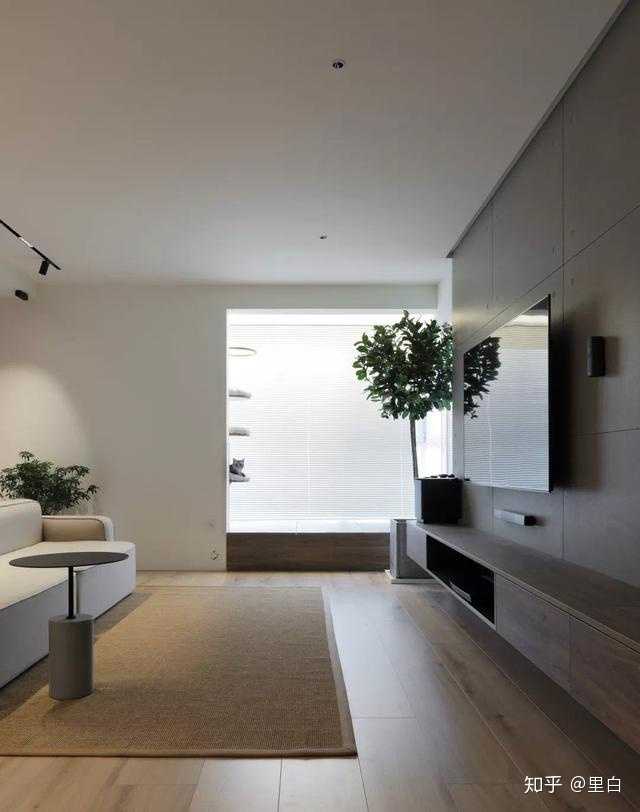
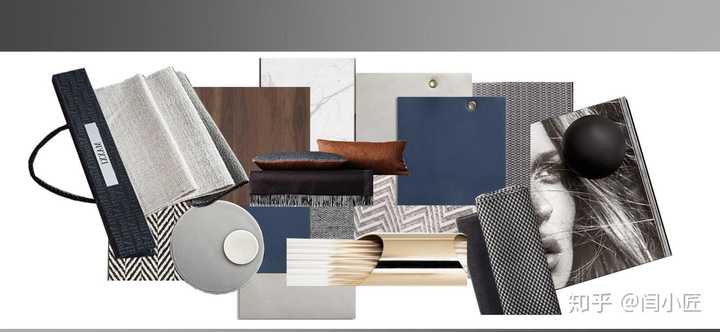
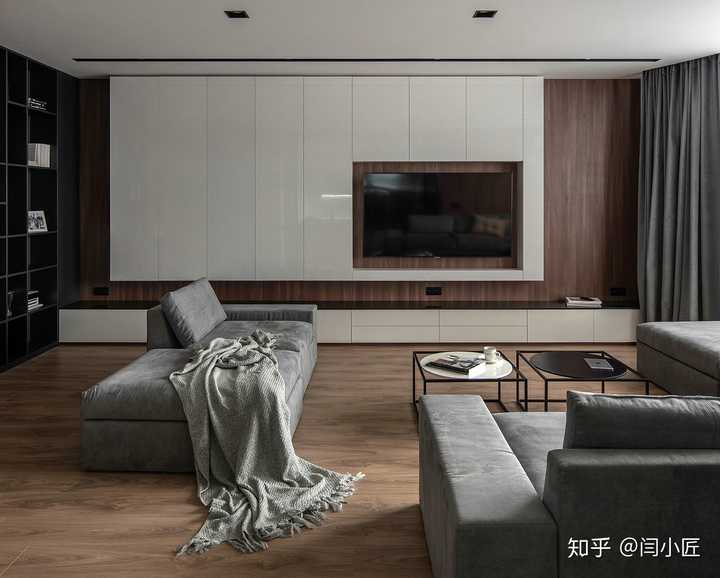
03 Simple Style

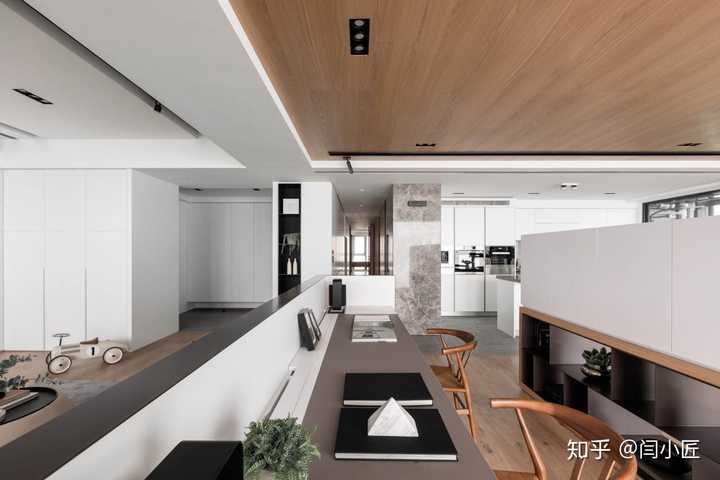
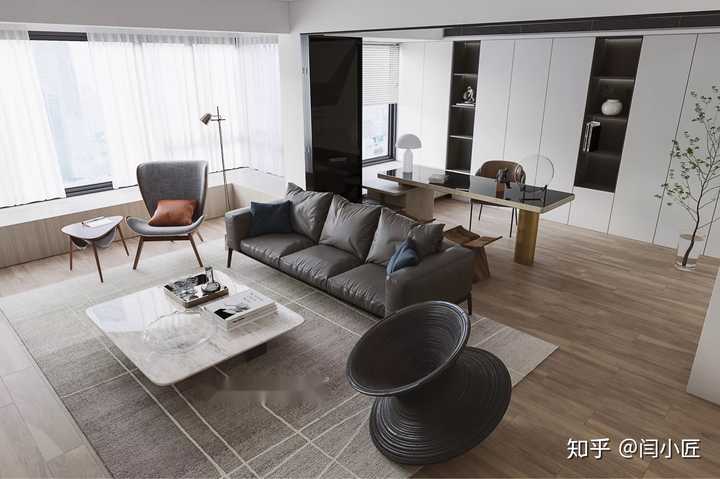
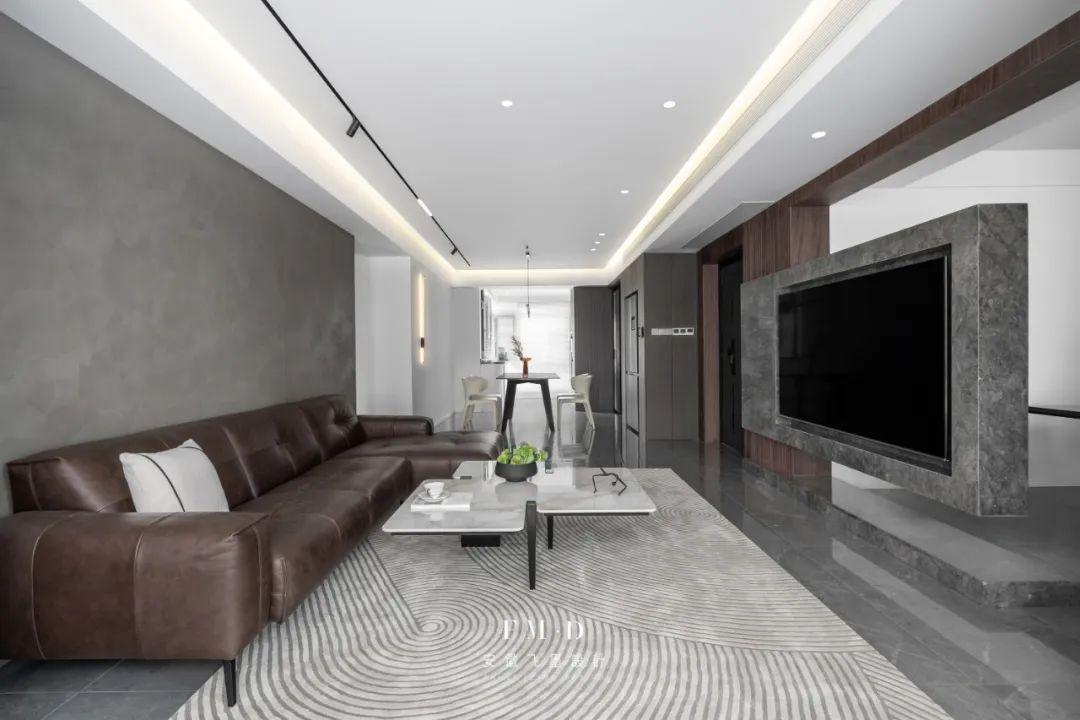
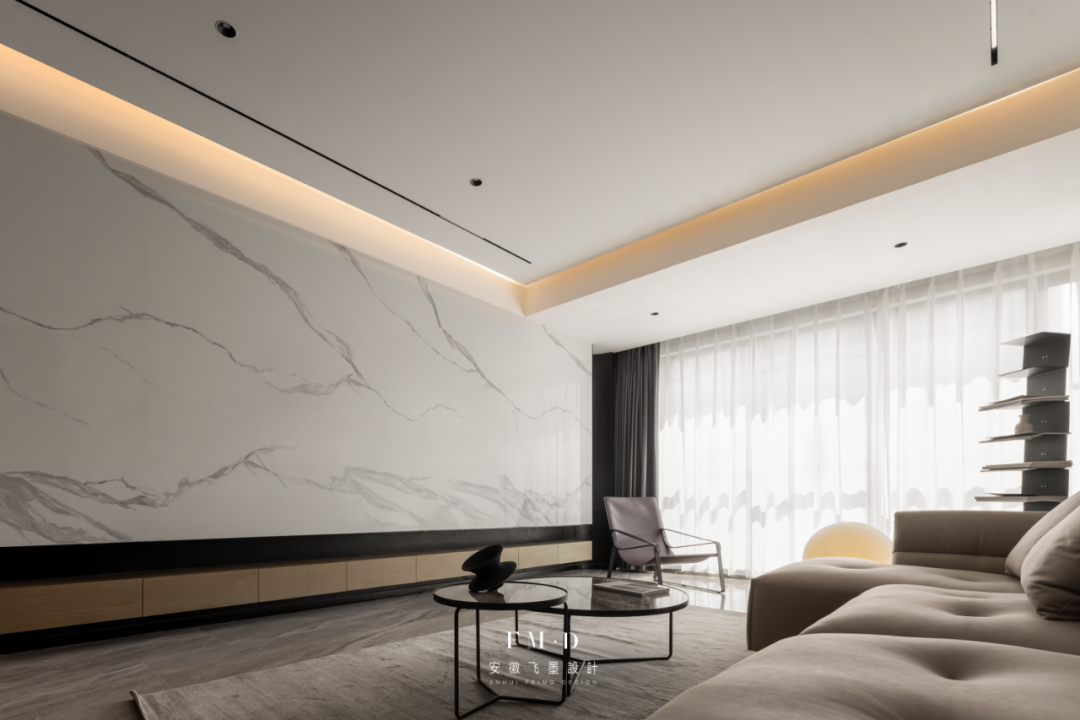
Simple style is timeless, emphasizing simplicity and quality without complex patterns or overwhelming colors.
imageimage

  • Color schemes: black, white, gray, brown, and wood tones.
  • Focus on lines and layers, avoiding ornate carvings.
  • Decorative elements like marble and wood panels add texture.

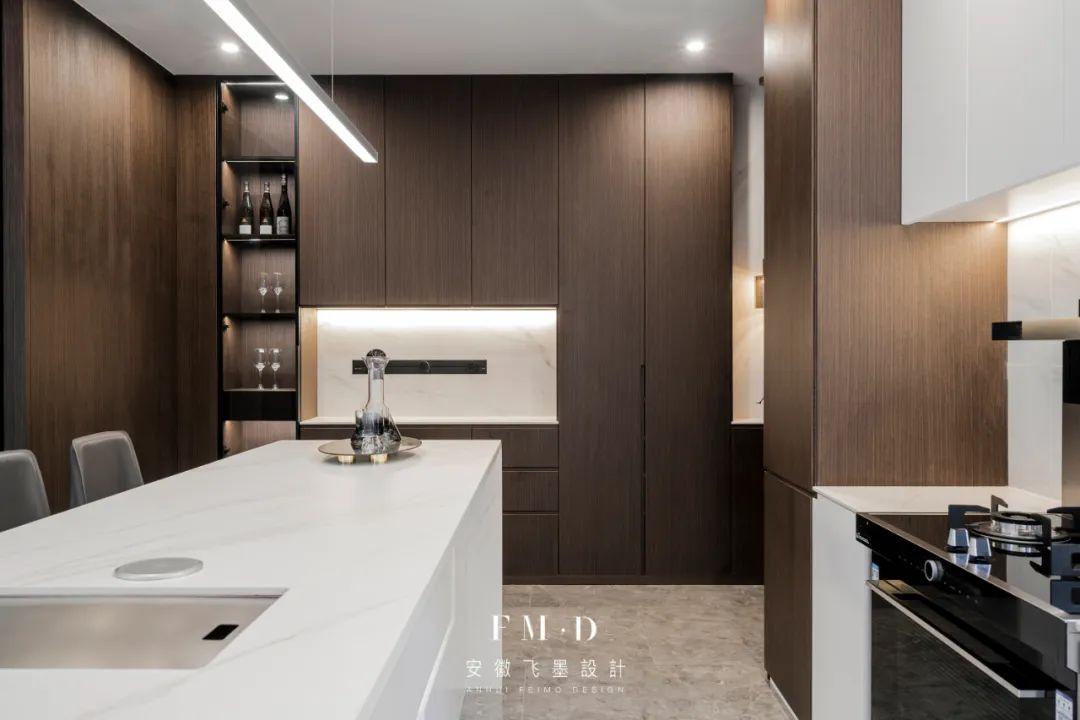
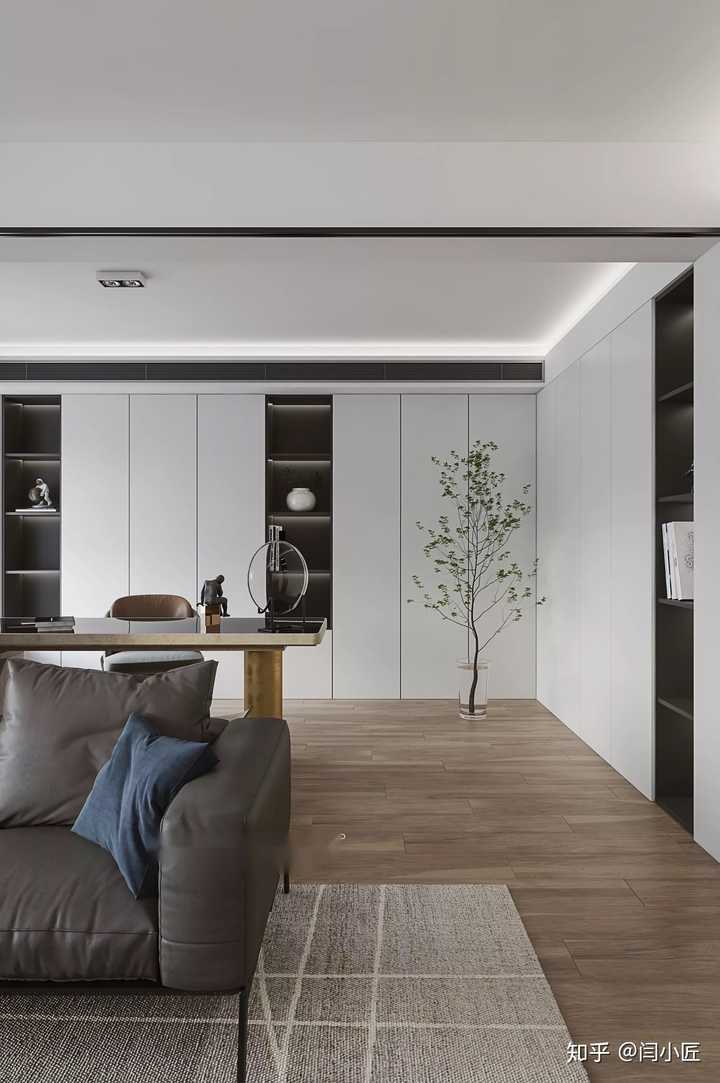
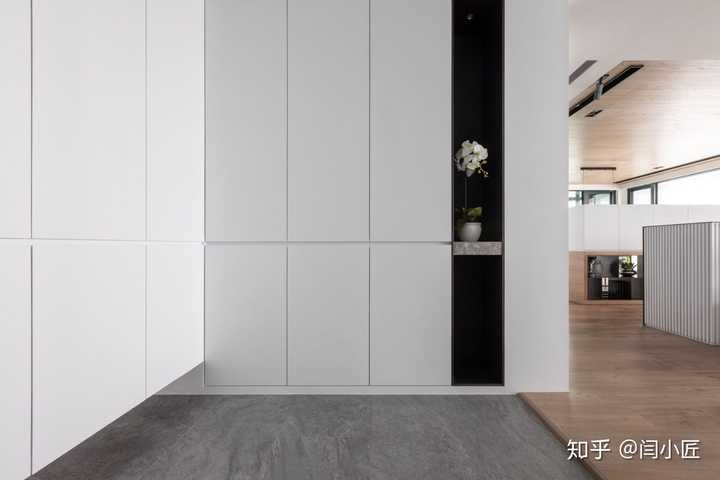
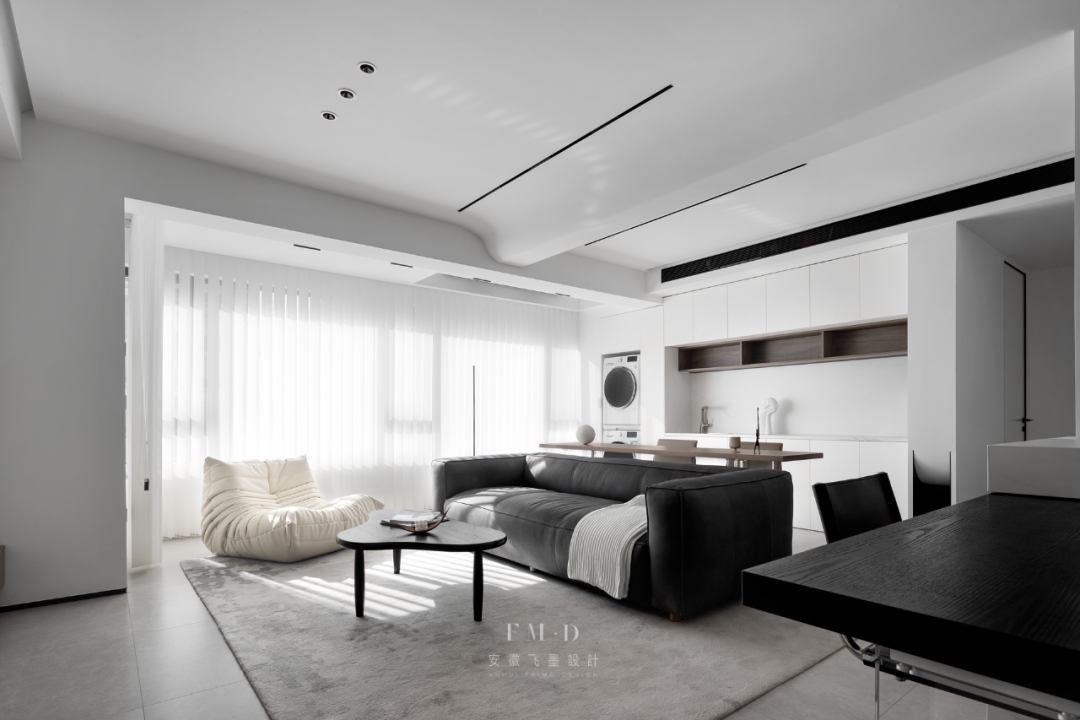
04 Minimalist Style

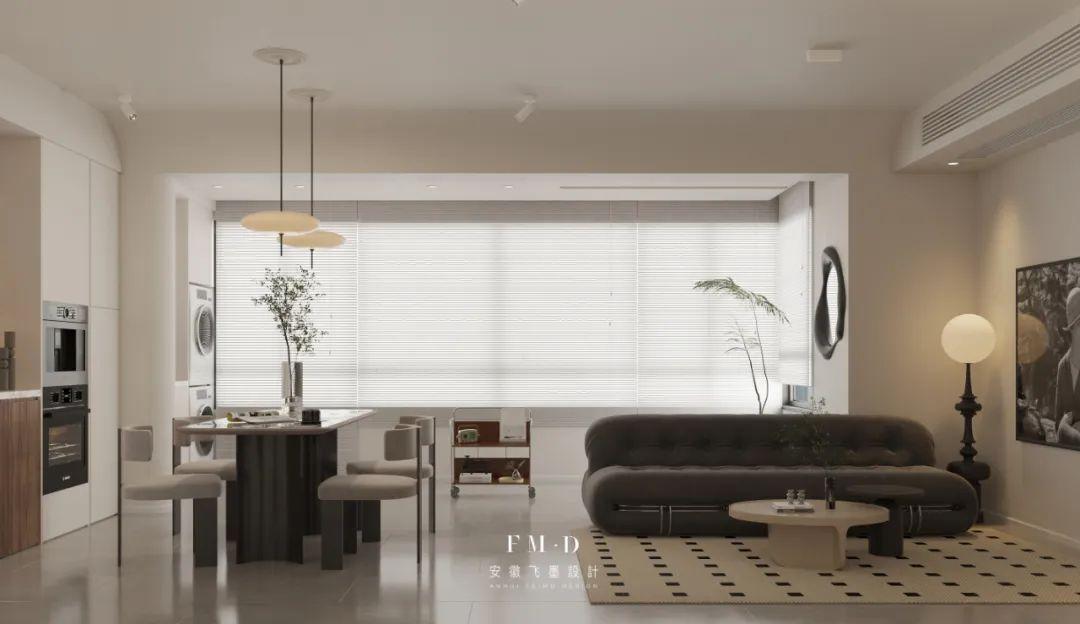
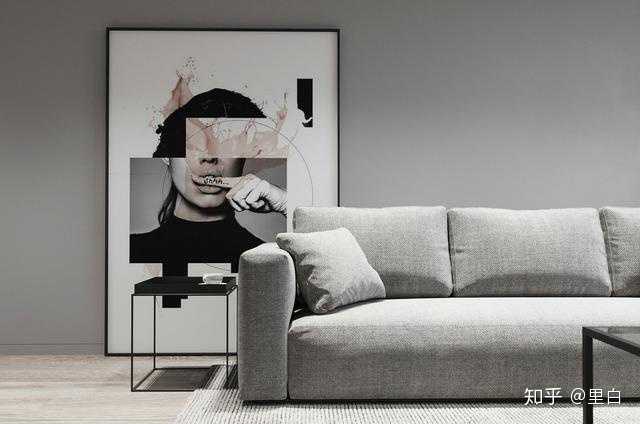
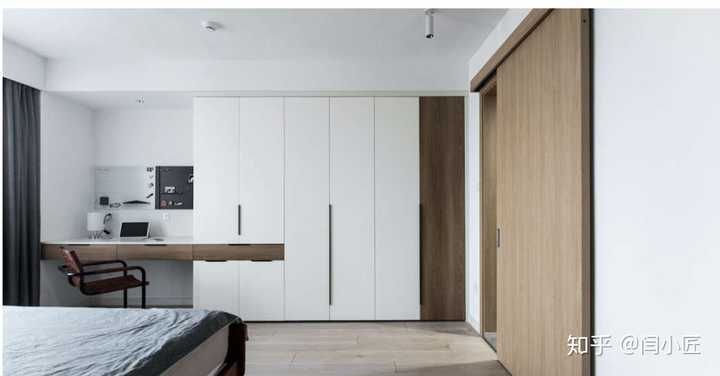
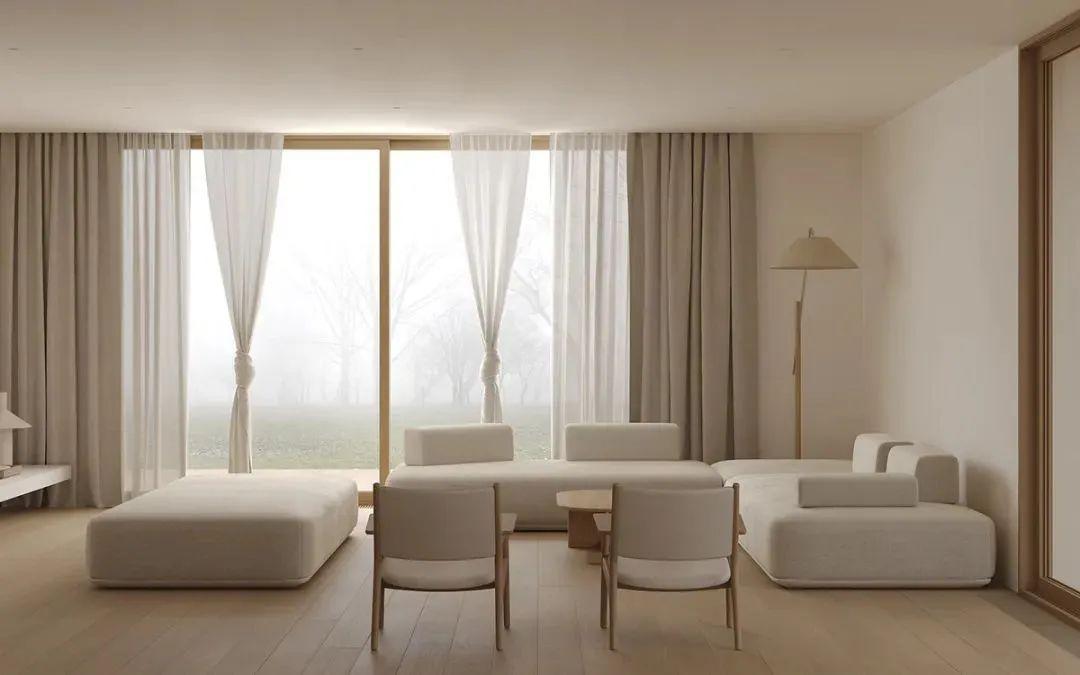
Minimalist style takes simplicity to the extreme, with ultra-clean designs and high demands on aesthetics and craftsmanship.
imageimage

  • Common colors: black, white, gray, and wood tones.
  • Techniques include straight lines, curved designs, embedded baseboards, hidden storage, and narrow frames.

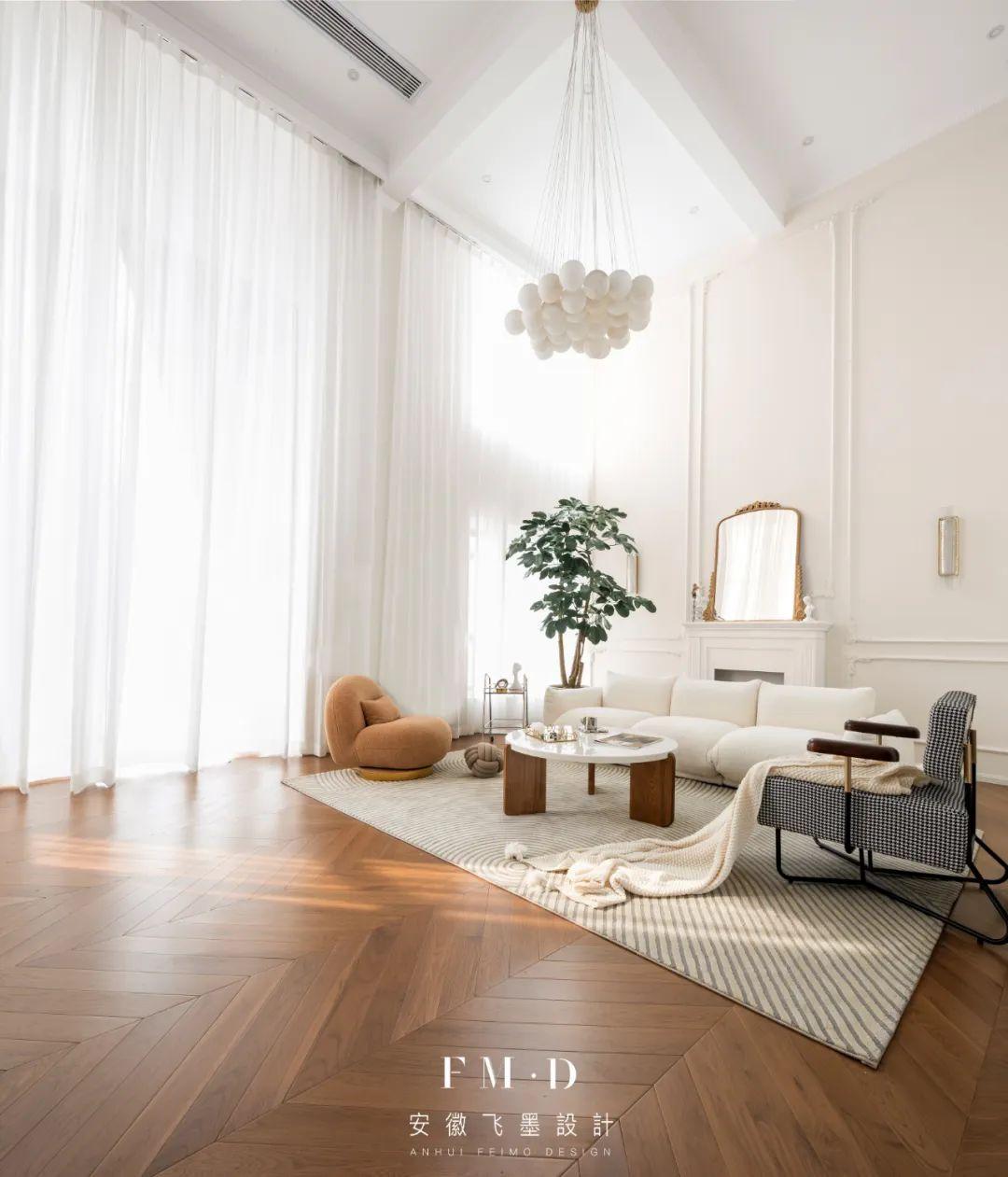
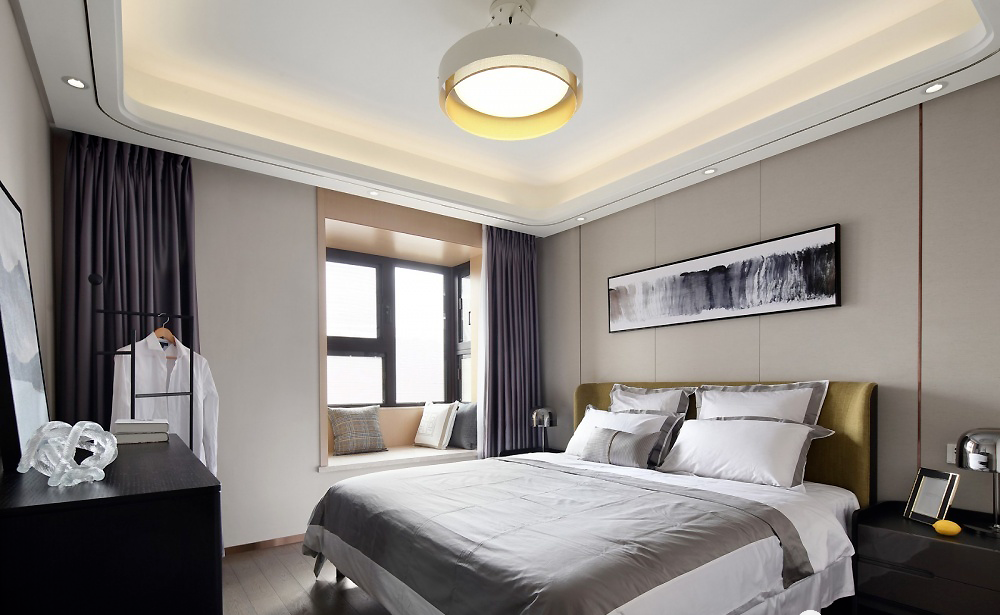
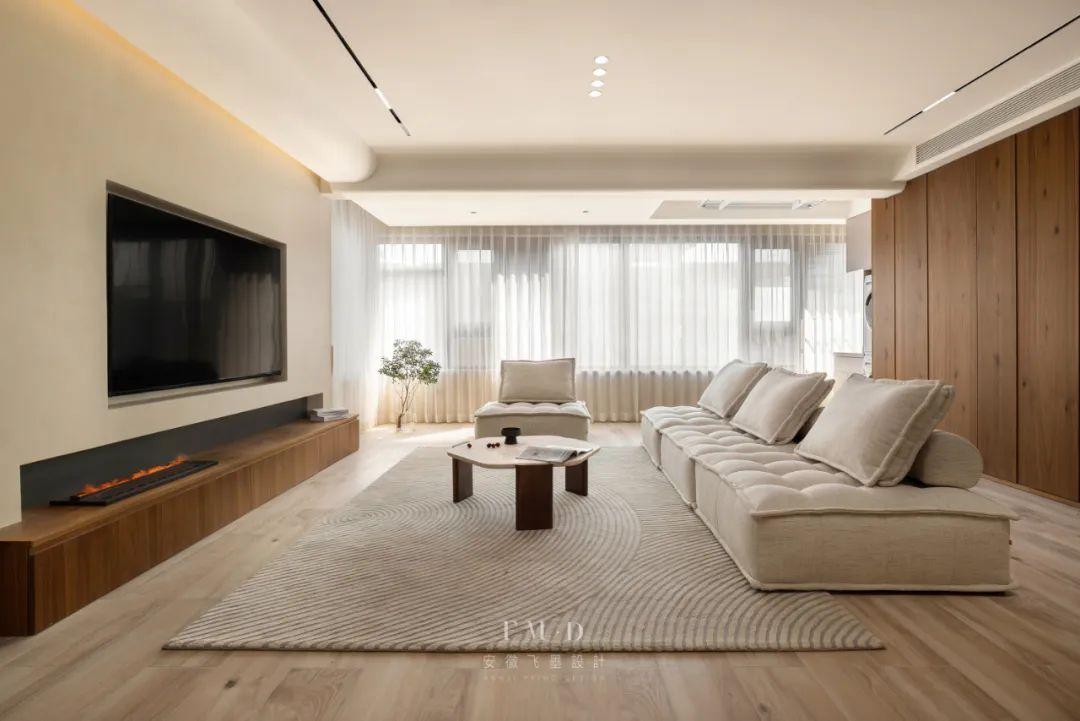
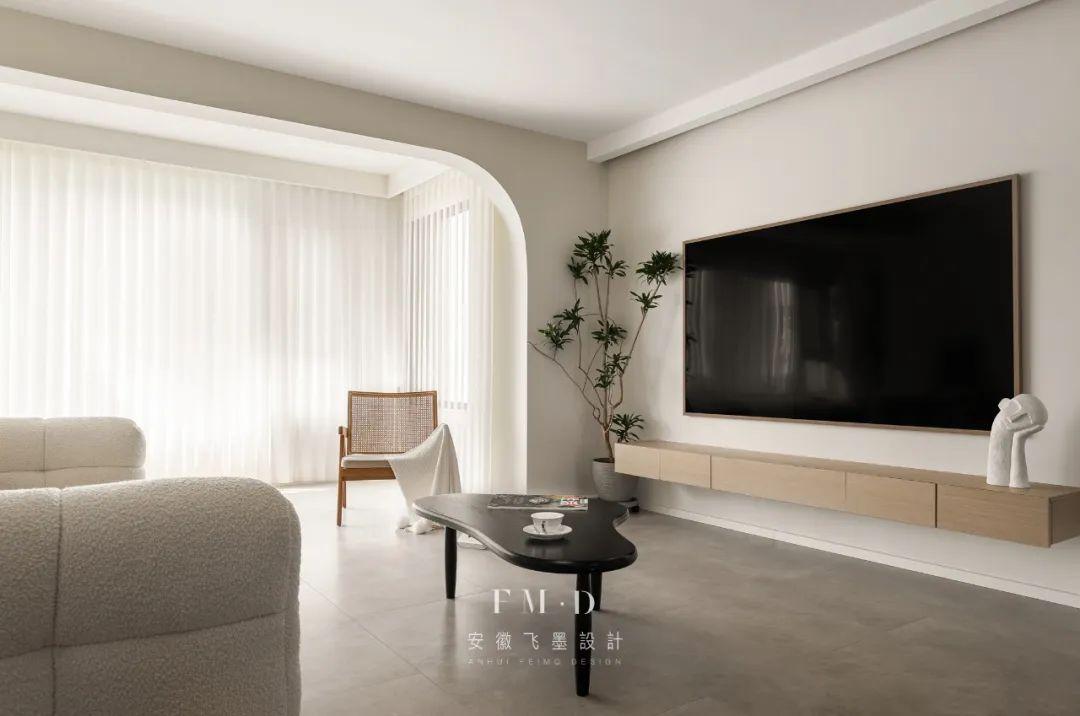
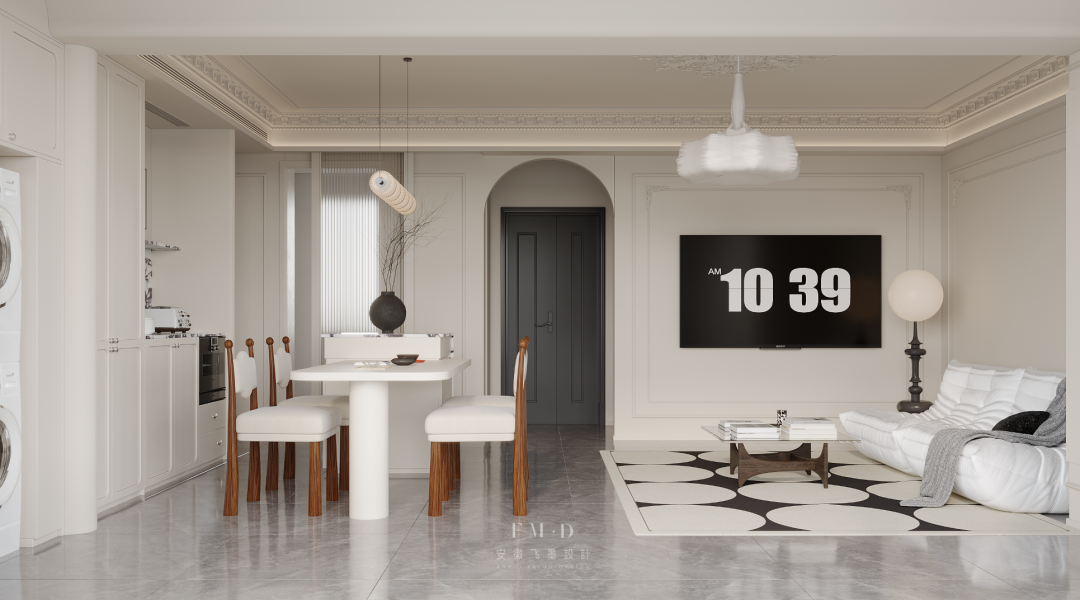
05 Cream Style

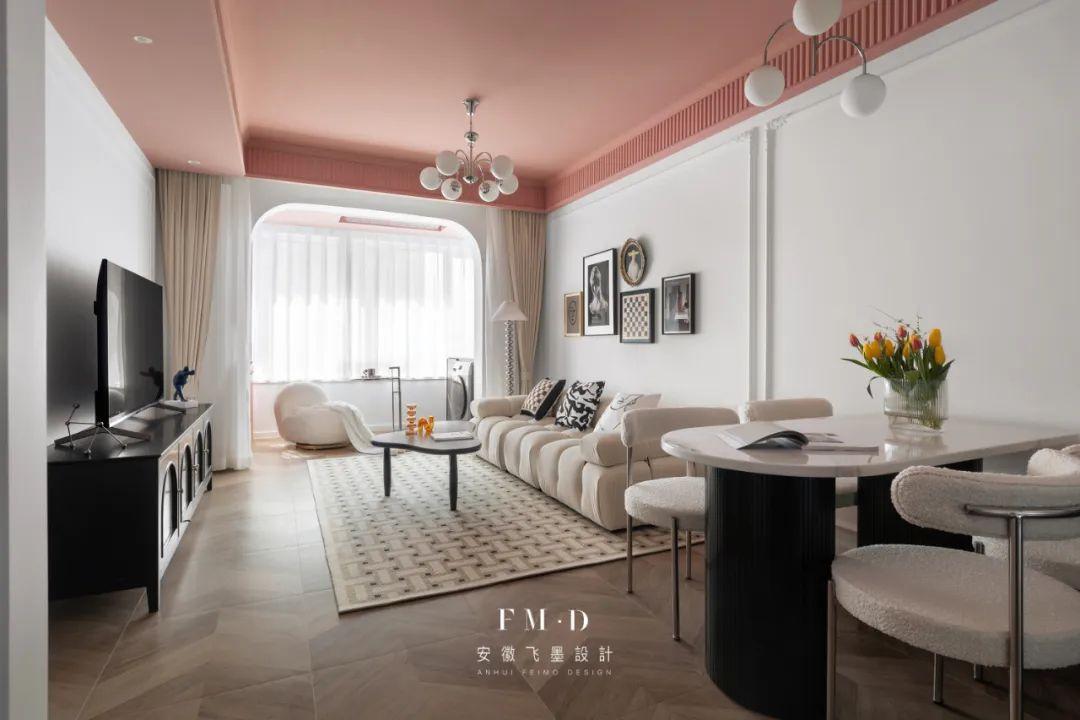
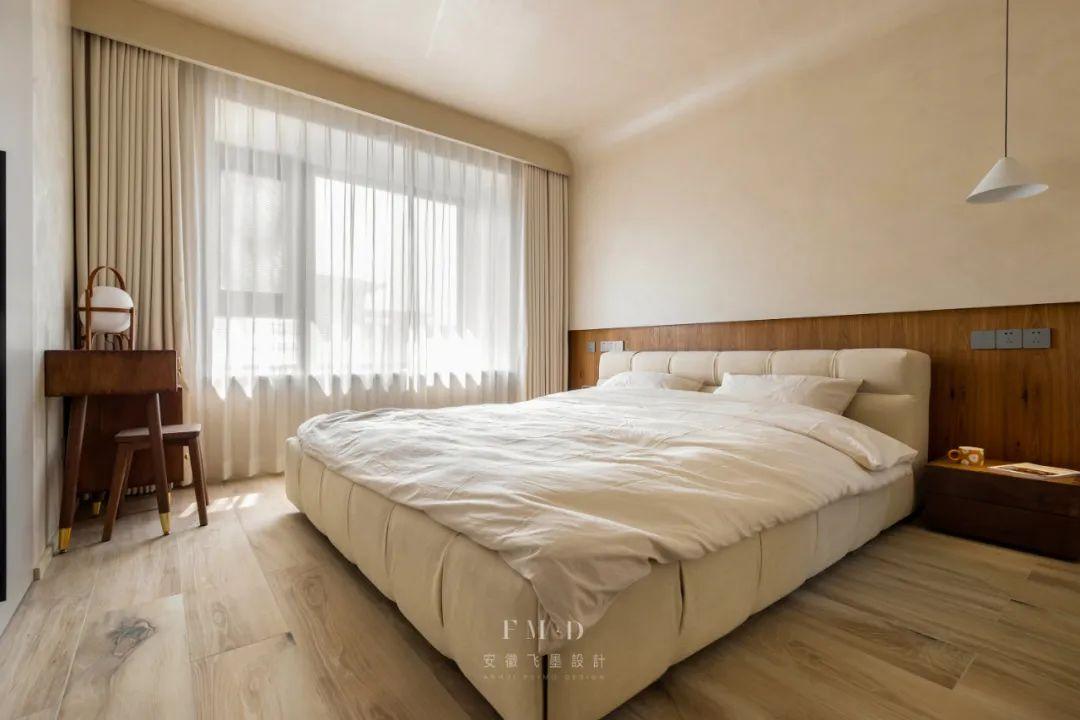
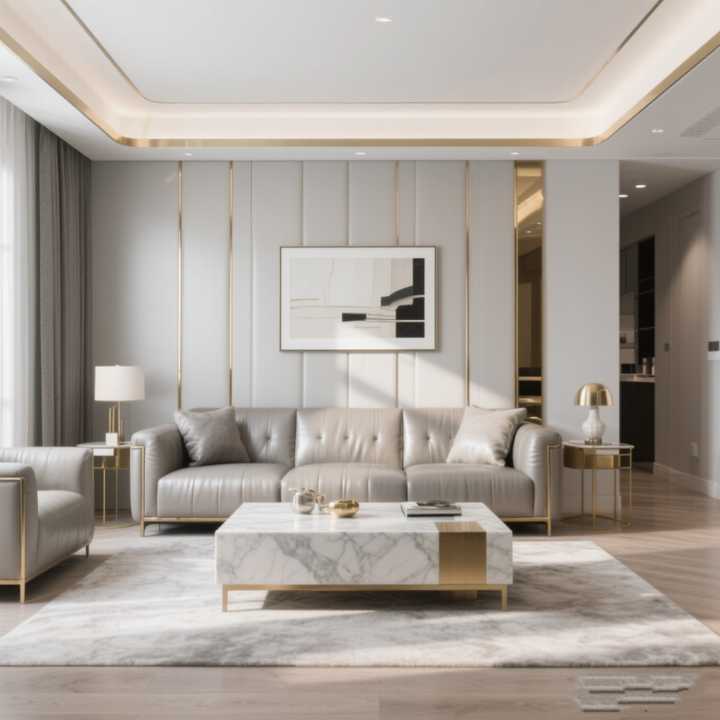
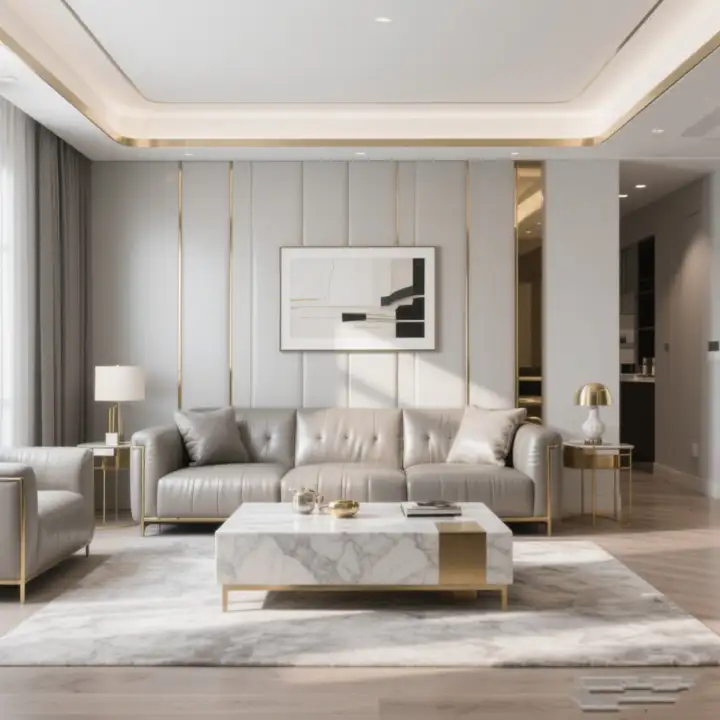
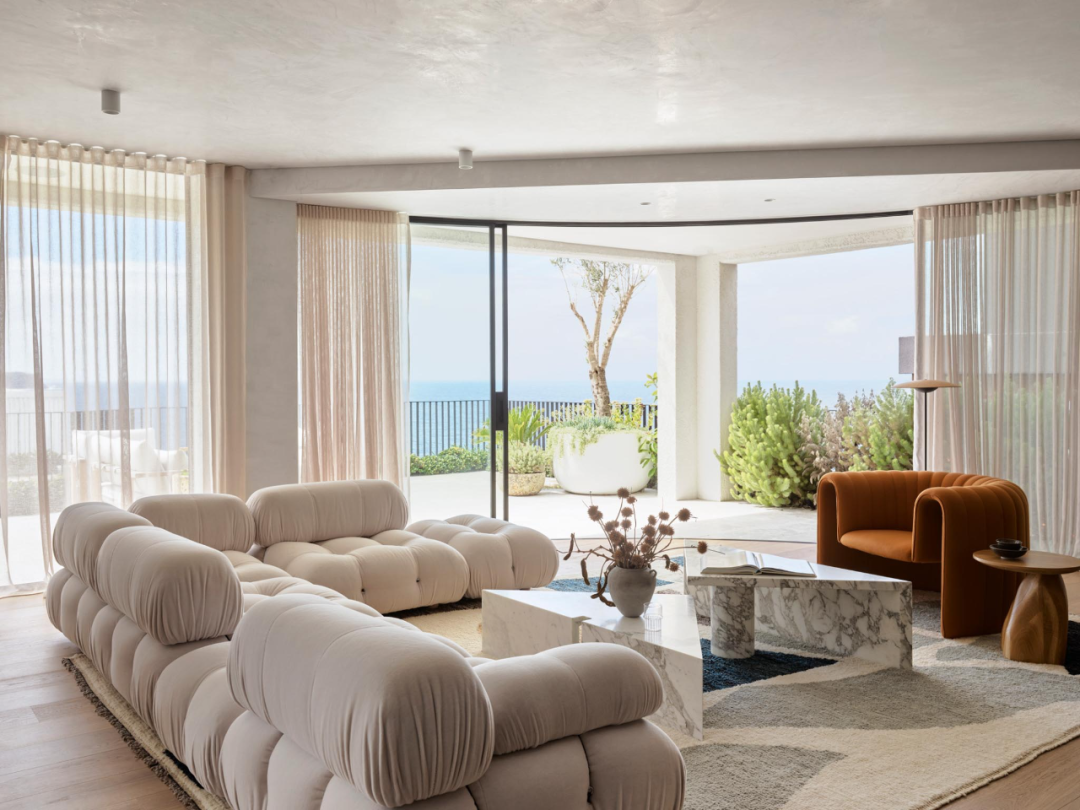
Cream style is currently trending, known for its soft and cozy aesthetic, often blended with other styles.
imageimageimageimage

  • Key colors: cream, beige, milky white, and muted tones like Morandi shades.
  • Can combine with French or Wabi-sabi styles for variation.

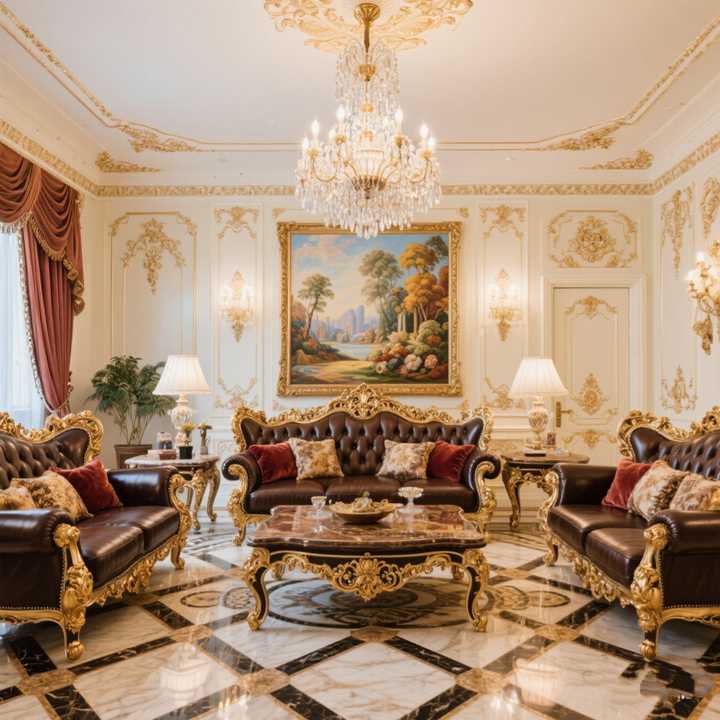
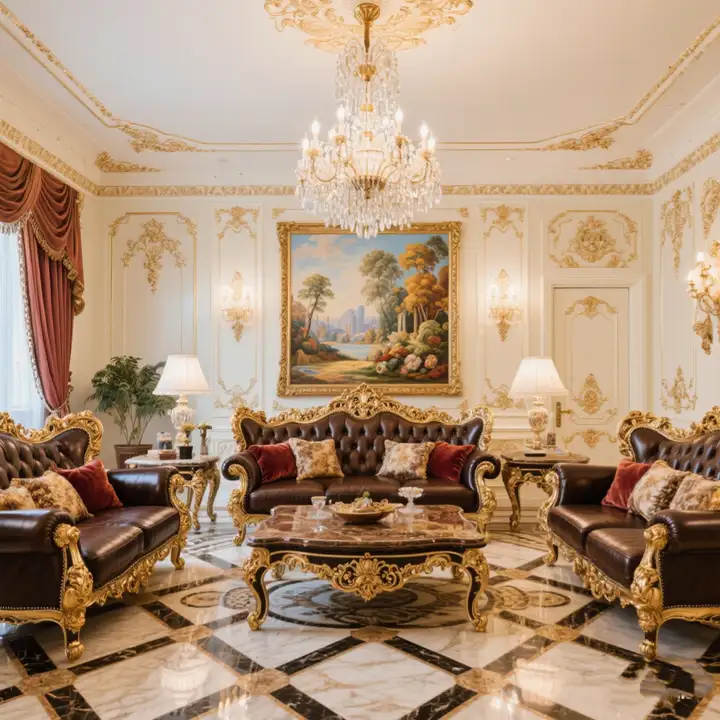
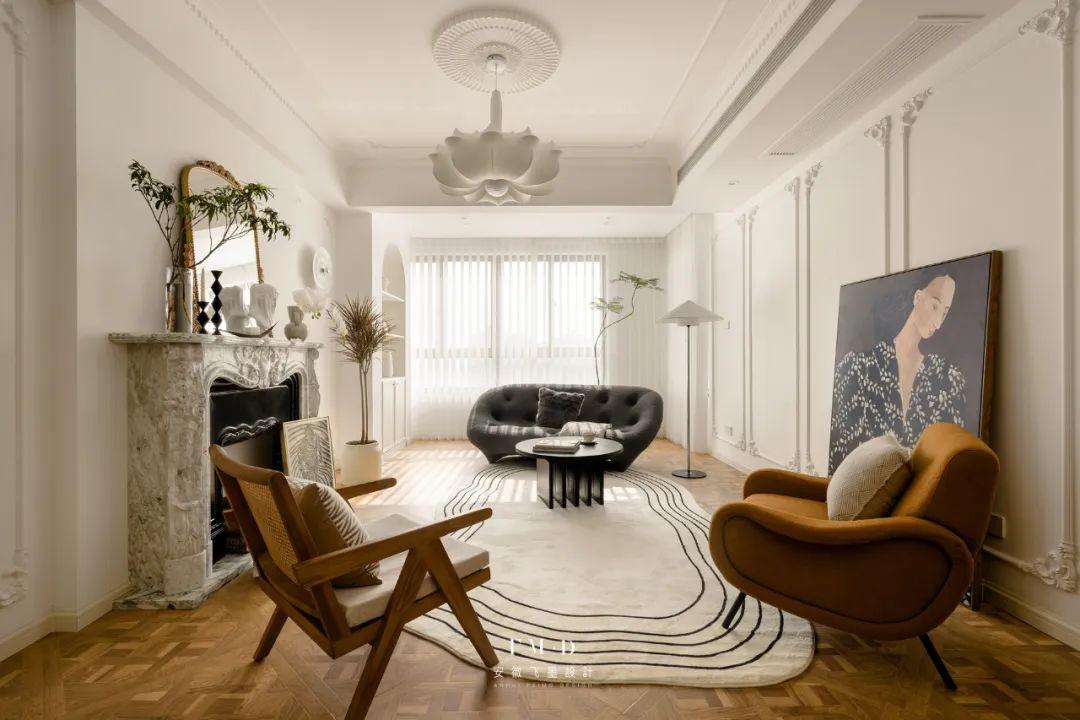
06 French Style

French style exudes elegance and romance, with refined details and a sense of ceremony.
imageimageimage

  • Features intricate patterns and strong lines, with options for luxury or vintage looks.
  • Common decorations: plaster lines, corner flowers, ceiling medallions, and marble.

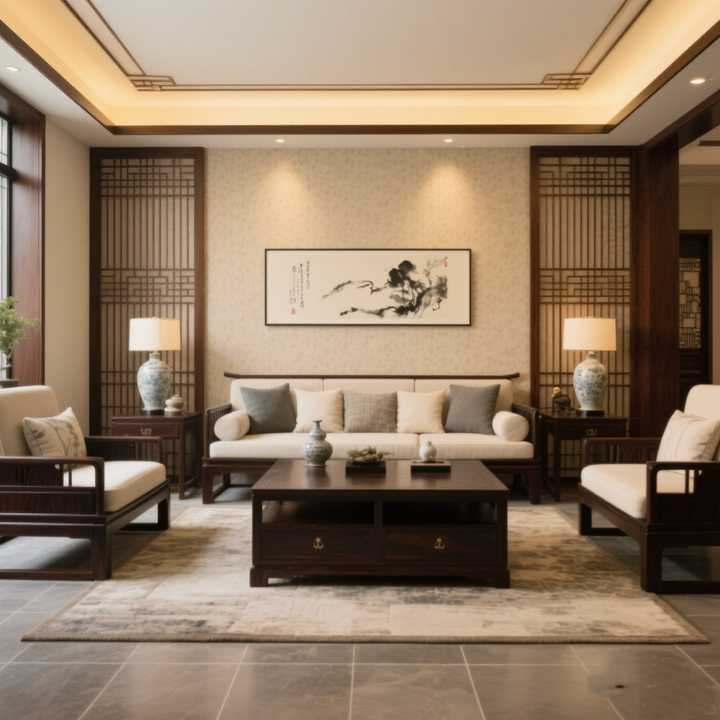
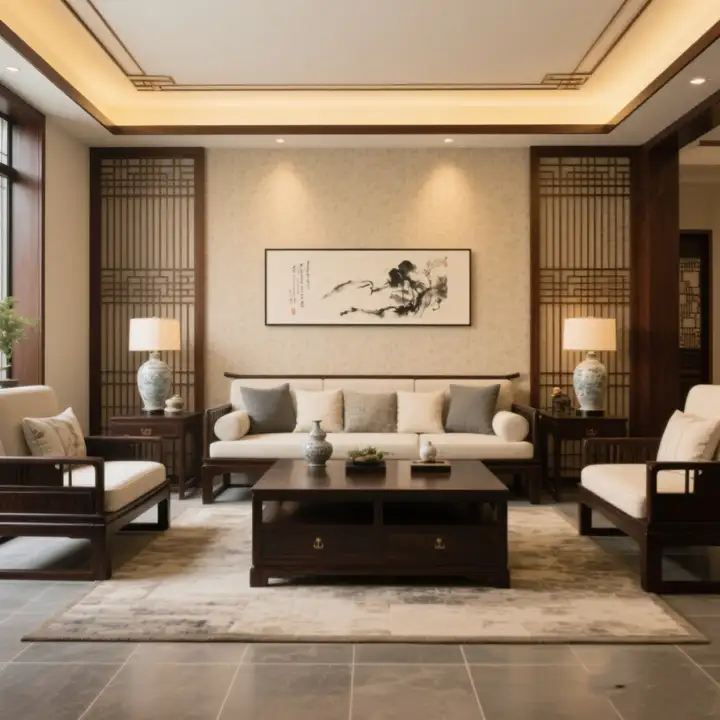
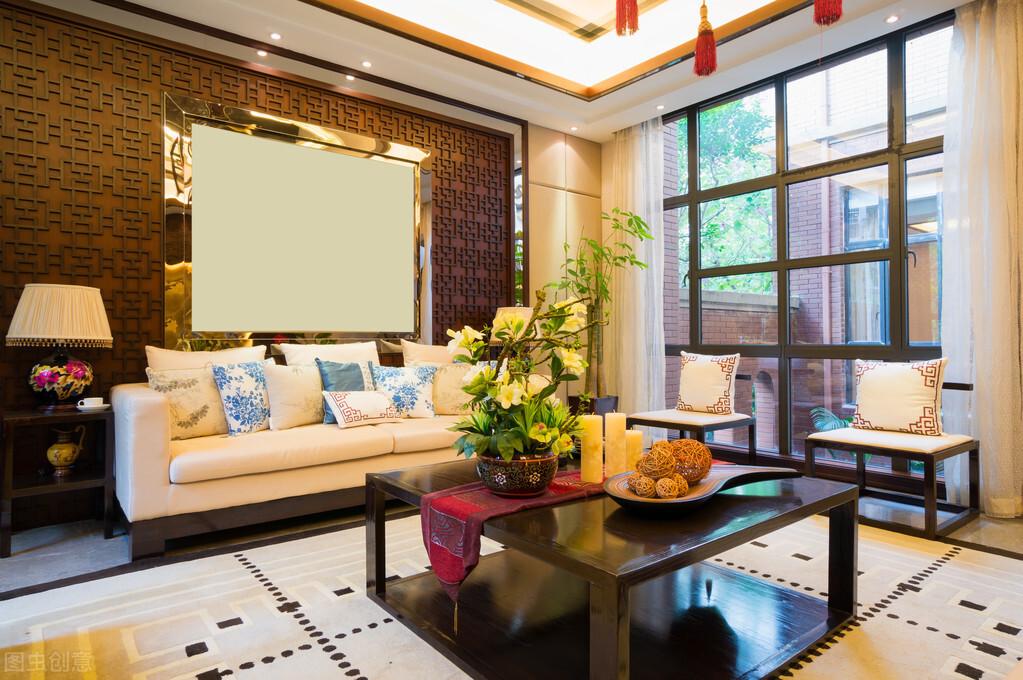
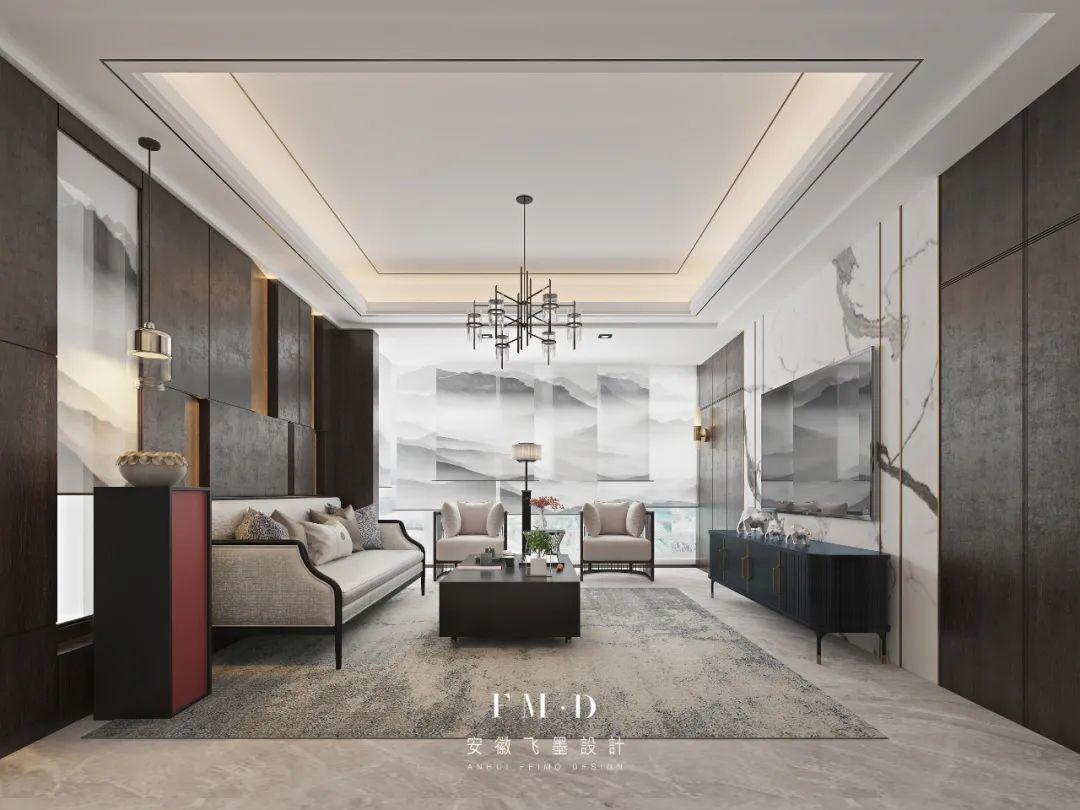
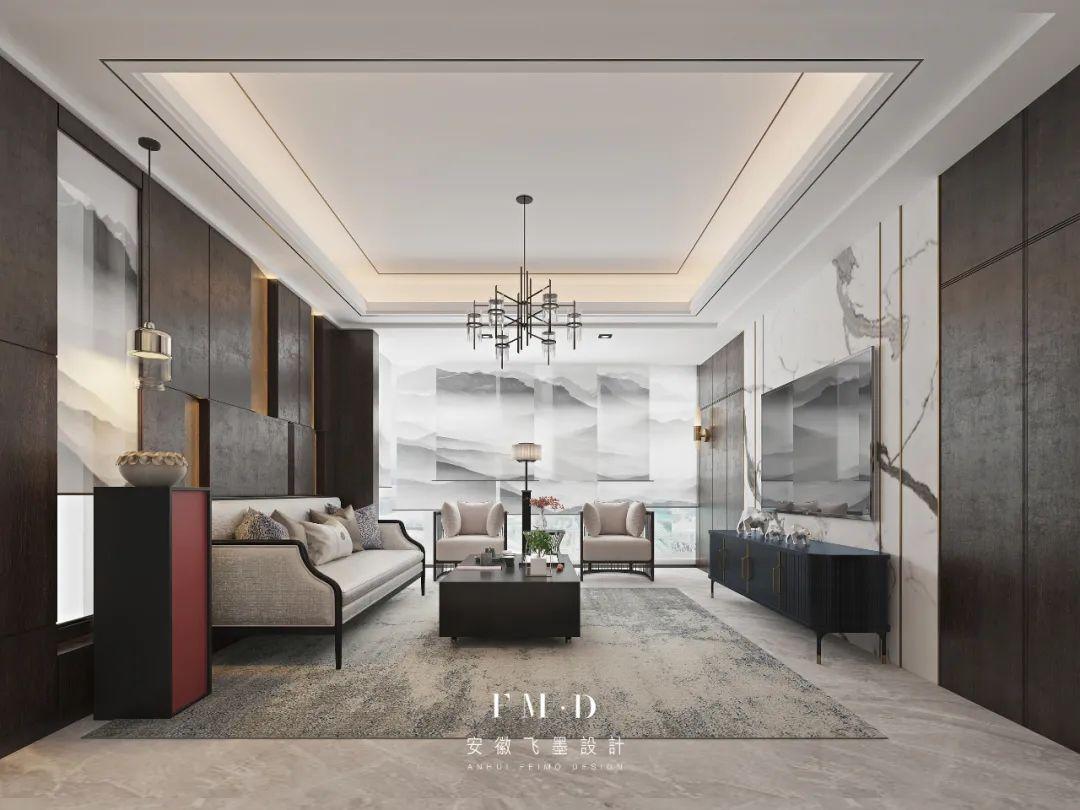
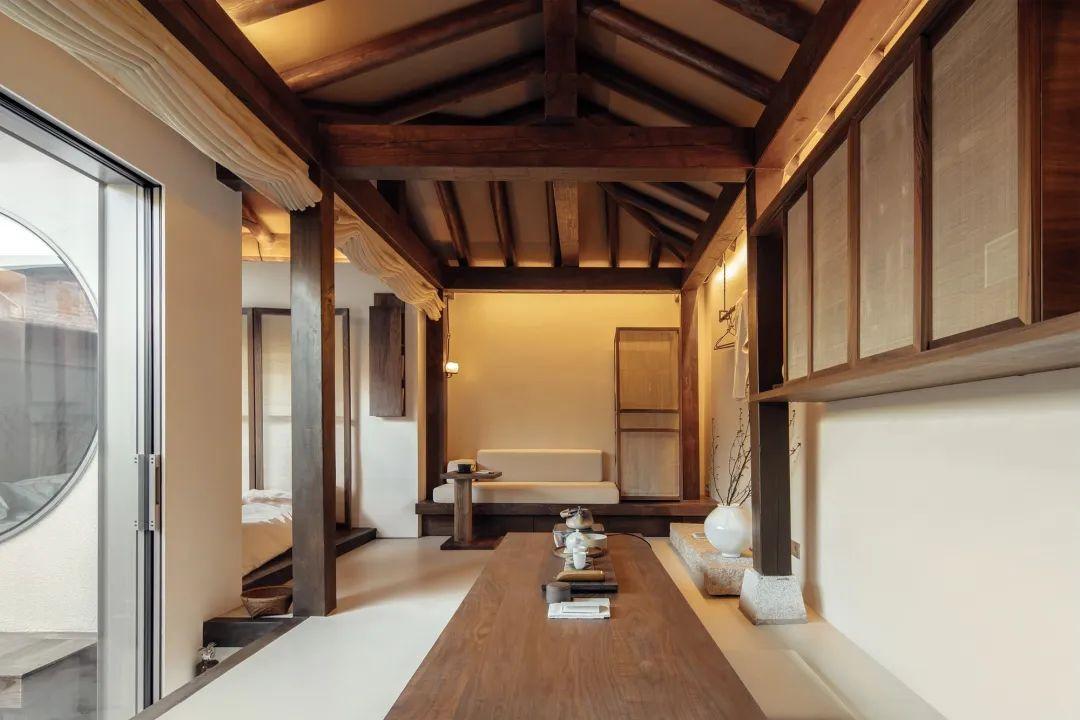
07 New Chinese Style

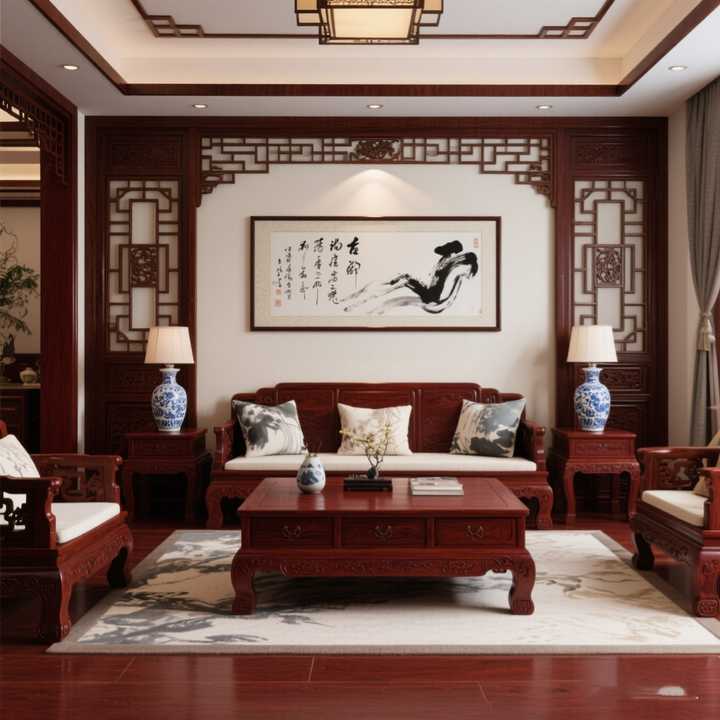
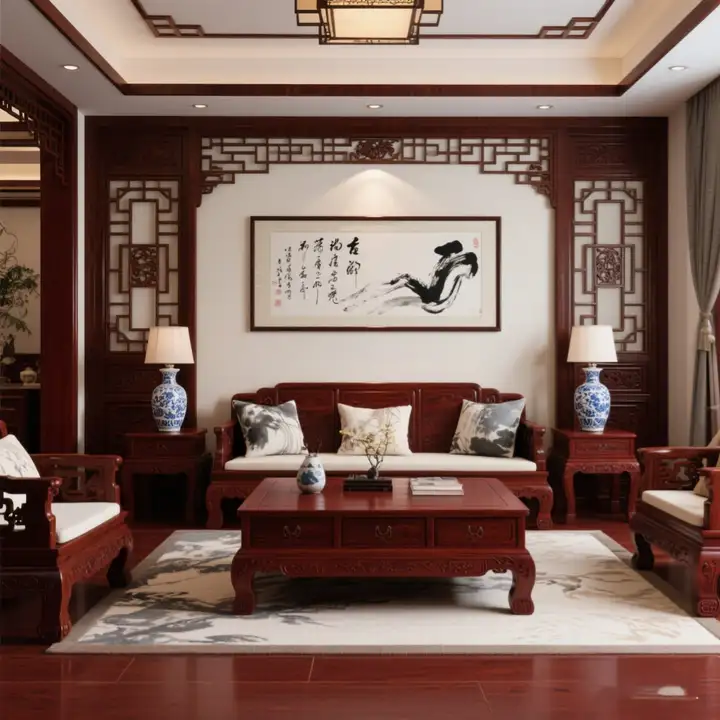
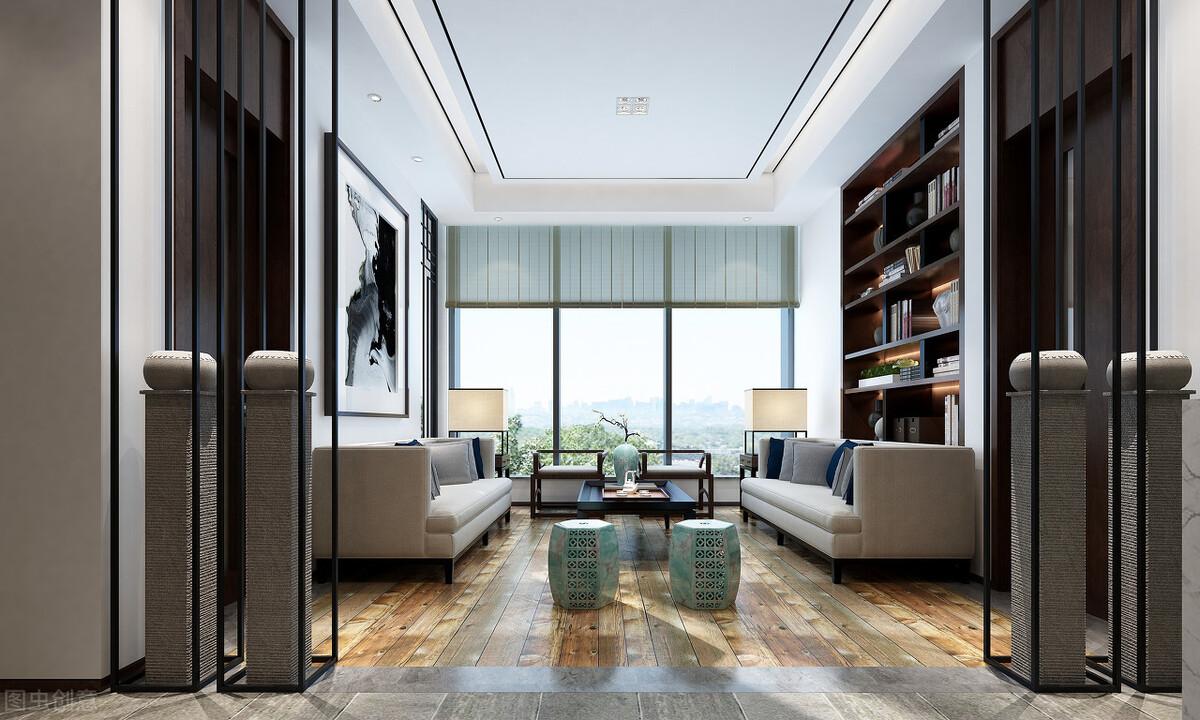
New Chinese style blends classical charm with modernity, using natural materials for an elegant feel.
imageimage

  • Uses solid wood with low-saturation tones for a youthful appeal.
  • Emphasizes simplicity and natural elegance over traditional heaviness.

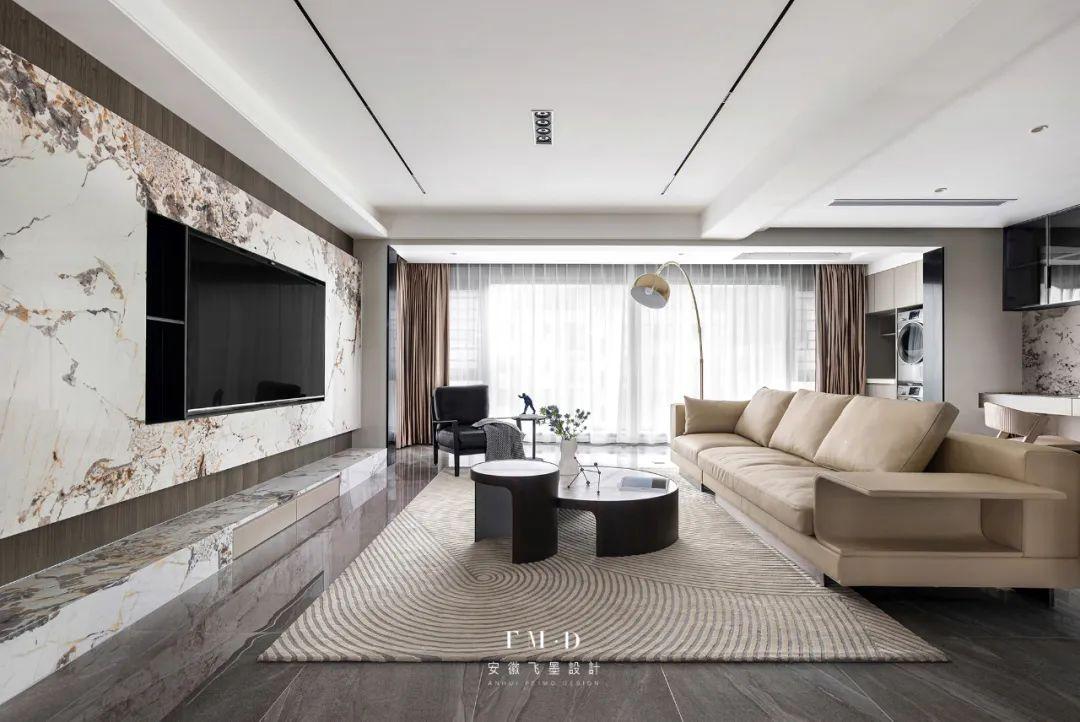
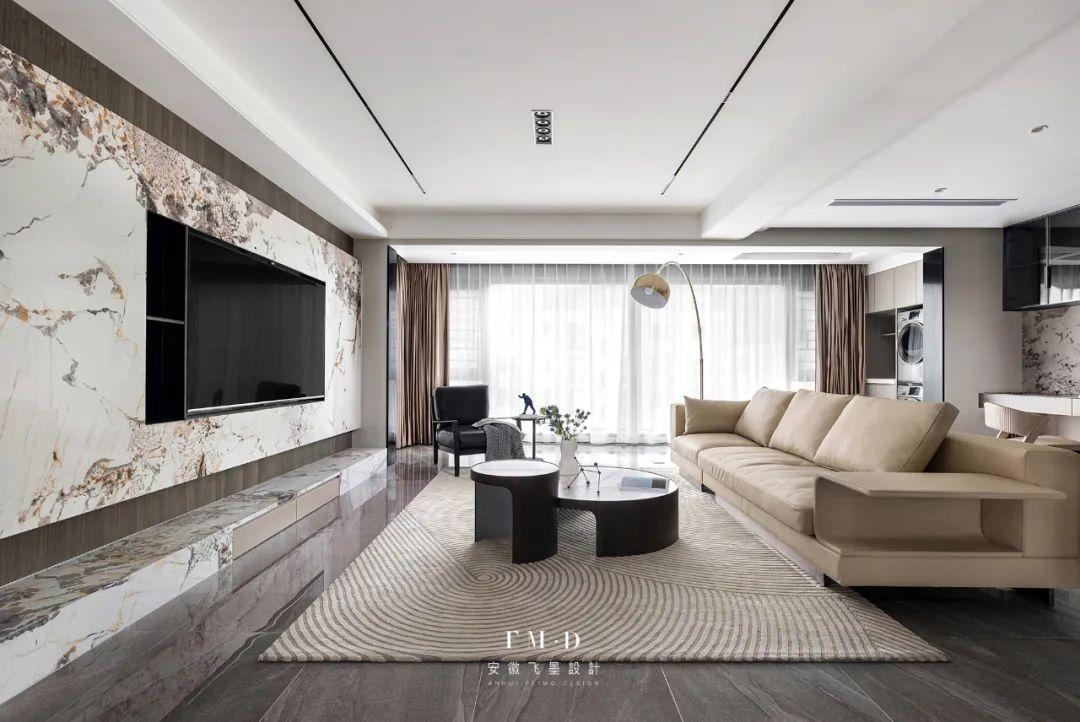
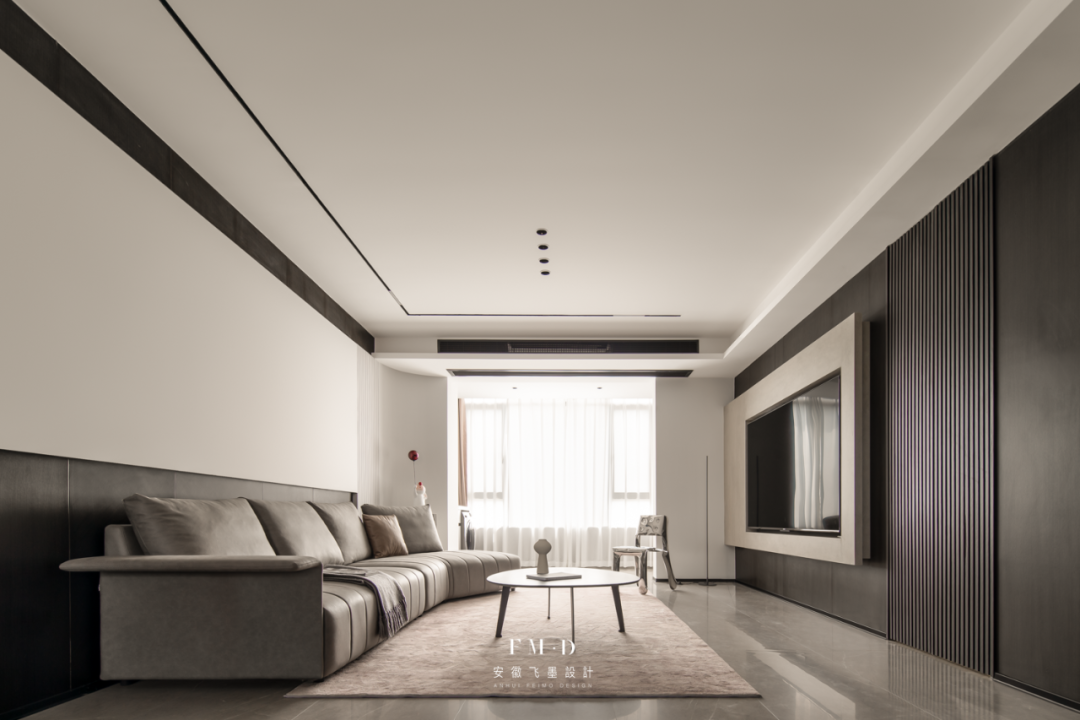
08 Light Luxury Style

Light luxury style is chosen by middle to high-income groups for its understated opulence and sophistication.
imageimageimage

  • Decor includes luxury stones, slate, marble, and custom wall panels.
  • Furniture often features designer pieces for a stylish look.

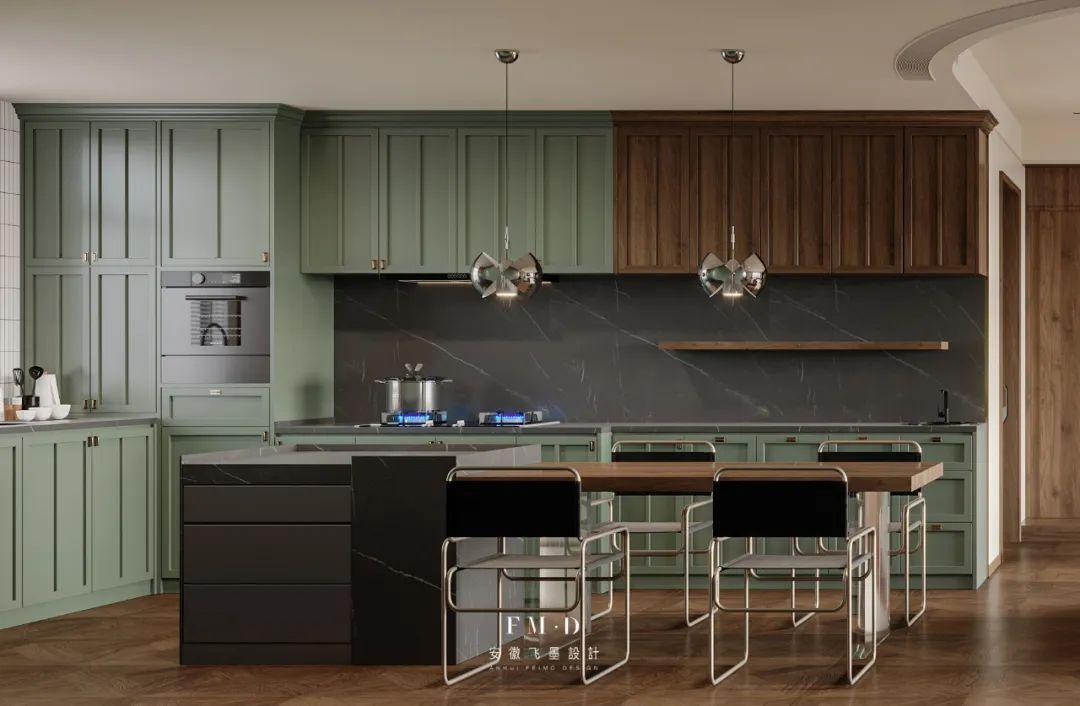
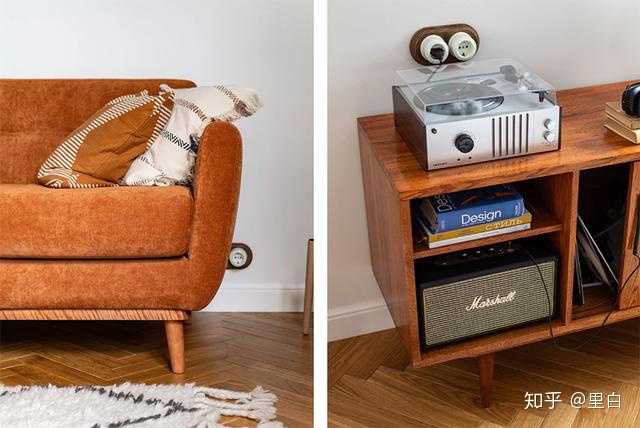
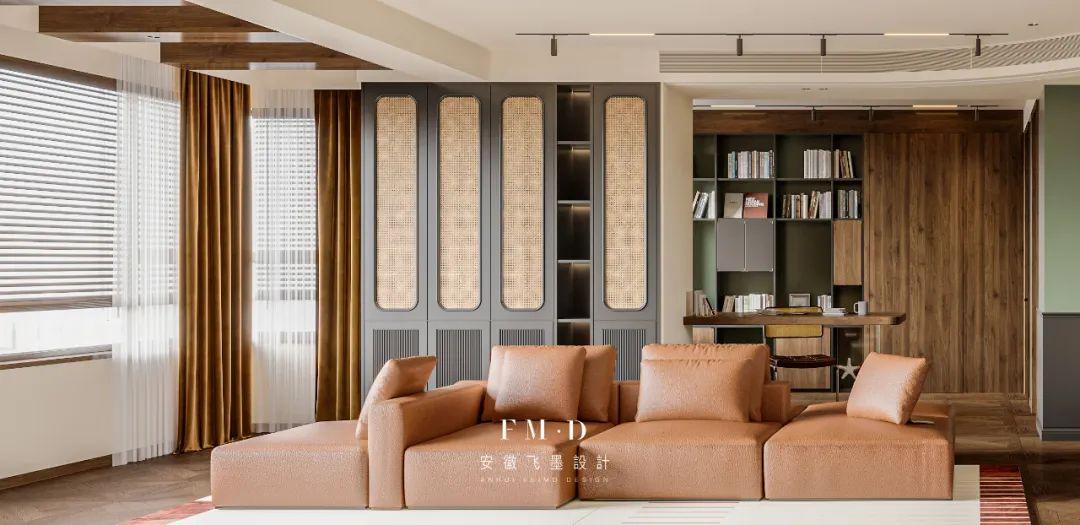
09 Retro Style

Retro style uses deep colors and bold contrasts, requiring design expertise for execution.
imageimageimage

  • Common colors: dark wood, deep brown, emerald green, and yellow.
  • Best implemented with professional guidance.

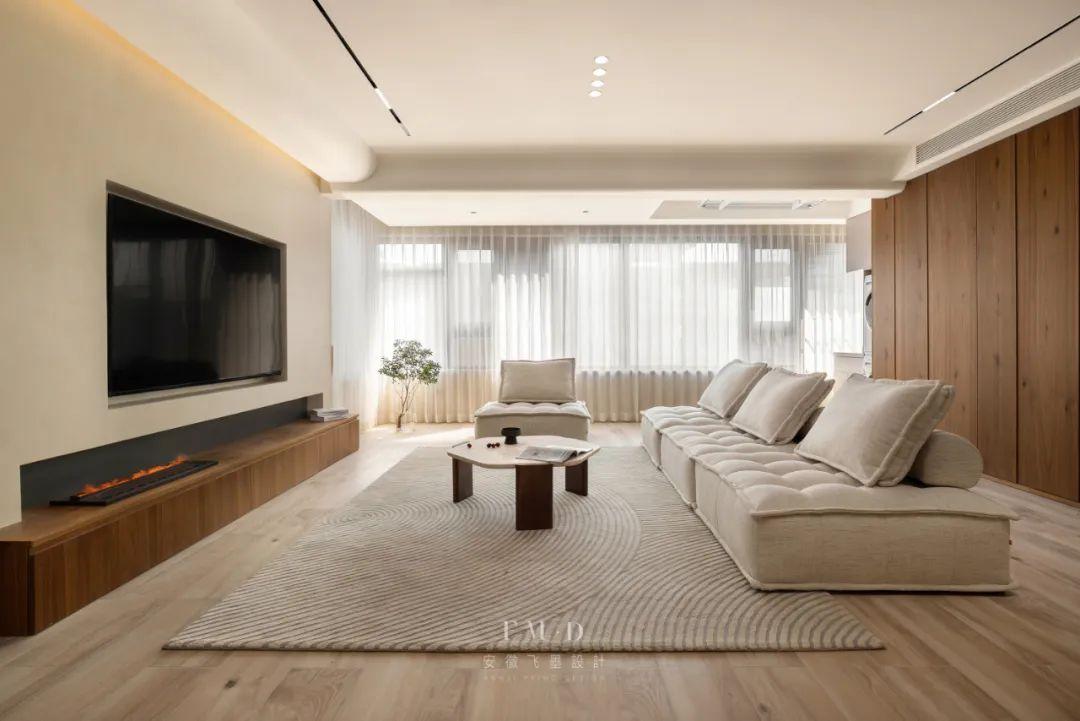
10 Wabi-sabi Style

Wabi-sabi style highlights imperfect beauty, creating a sense of age and storytelling in homes.
imageimage

  • Colors: cream, gray, and wood tones.
  • Uses wooden furniture and linen materials for a natural, rustic feel.

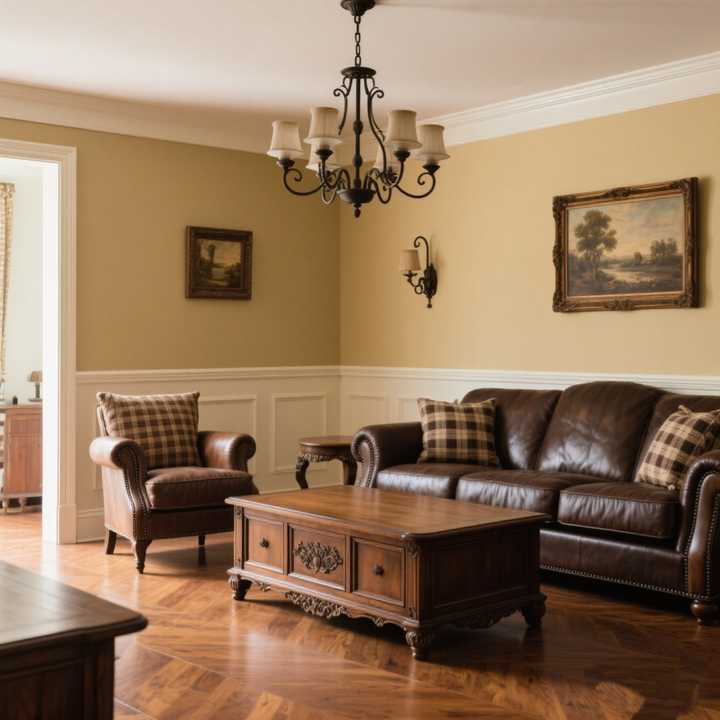
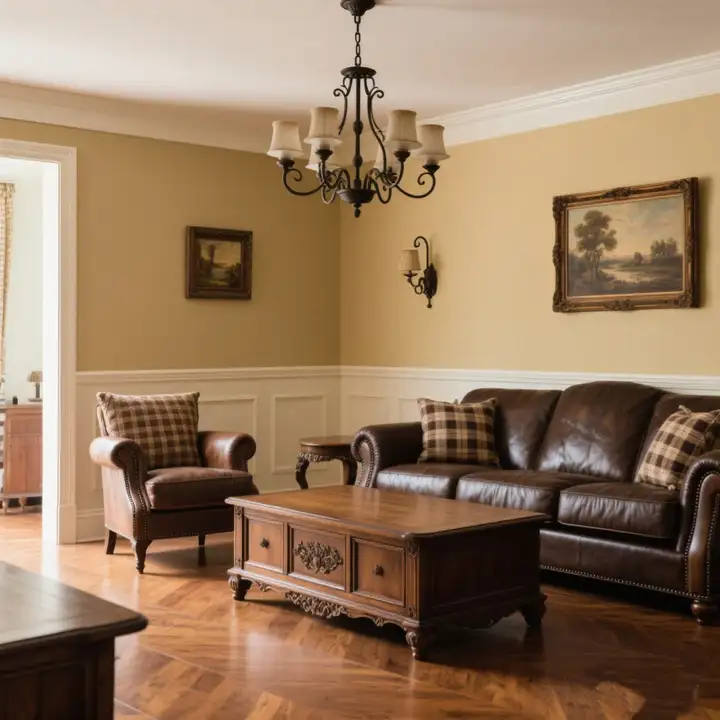
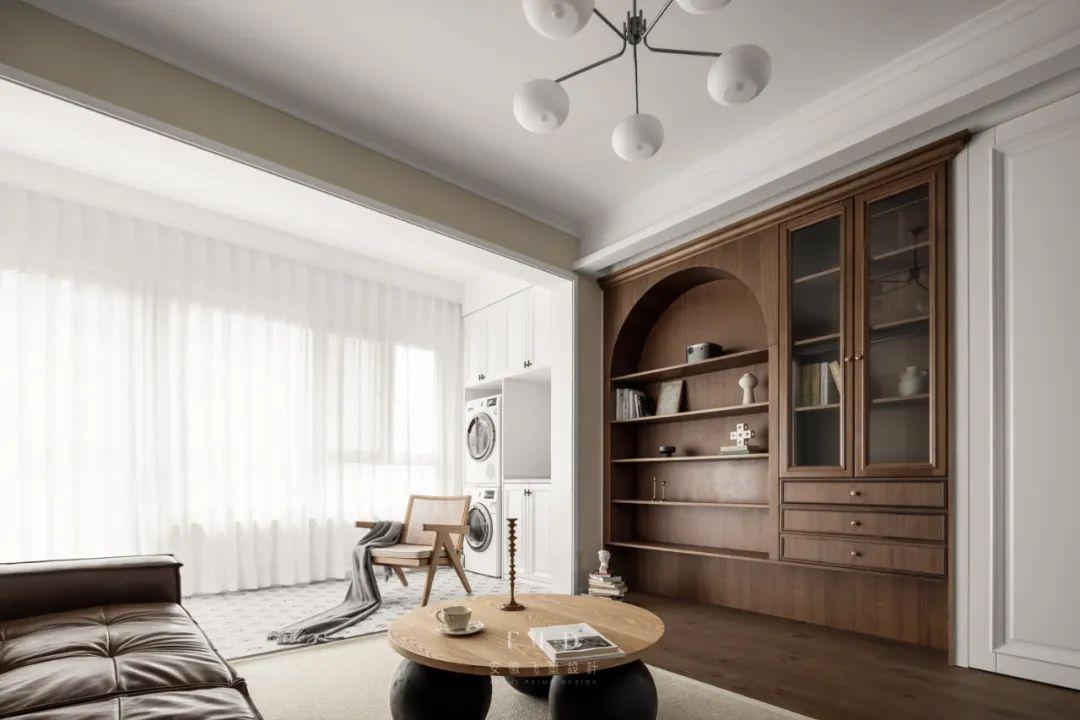
11 American Style

American style features solid wood and leather, with bold and generous designs.
image

  • Emphasizes durability and classic aesthetics.

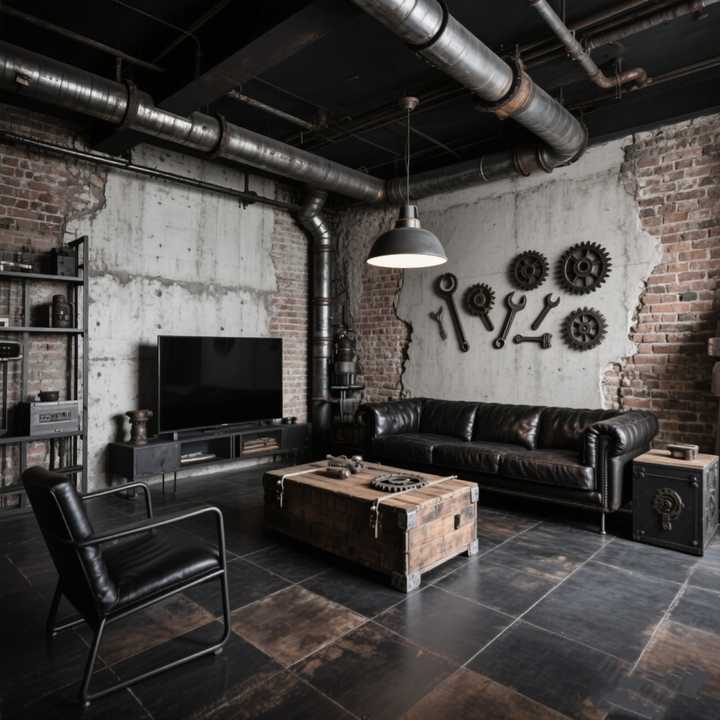
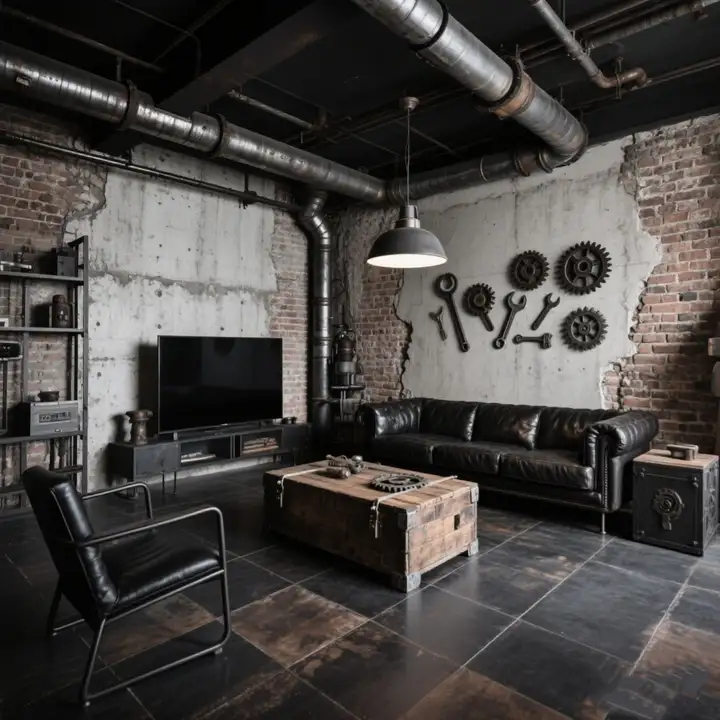
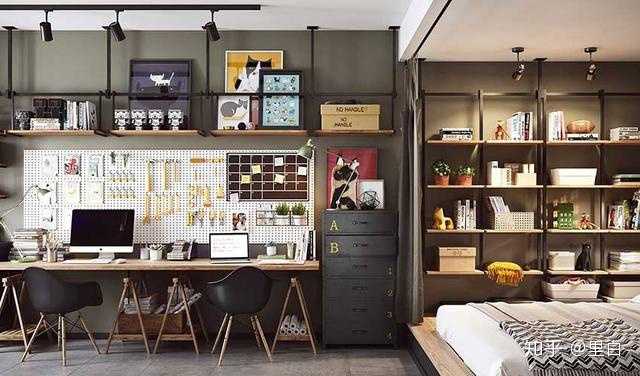
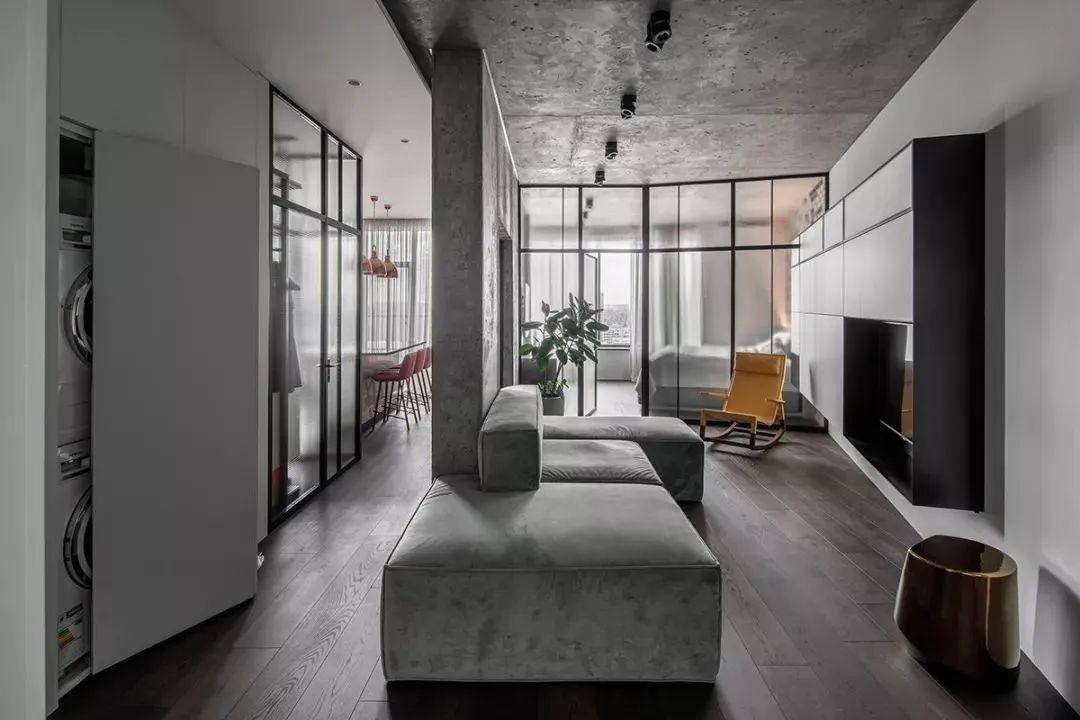
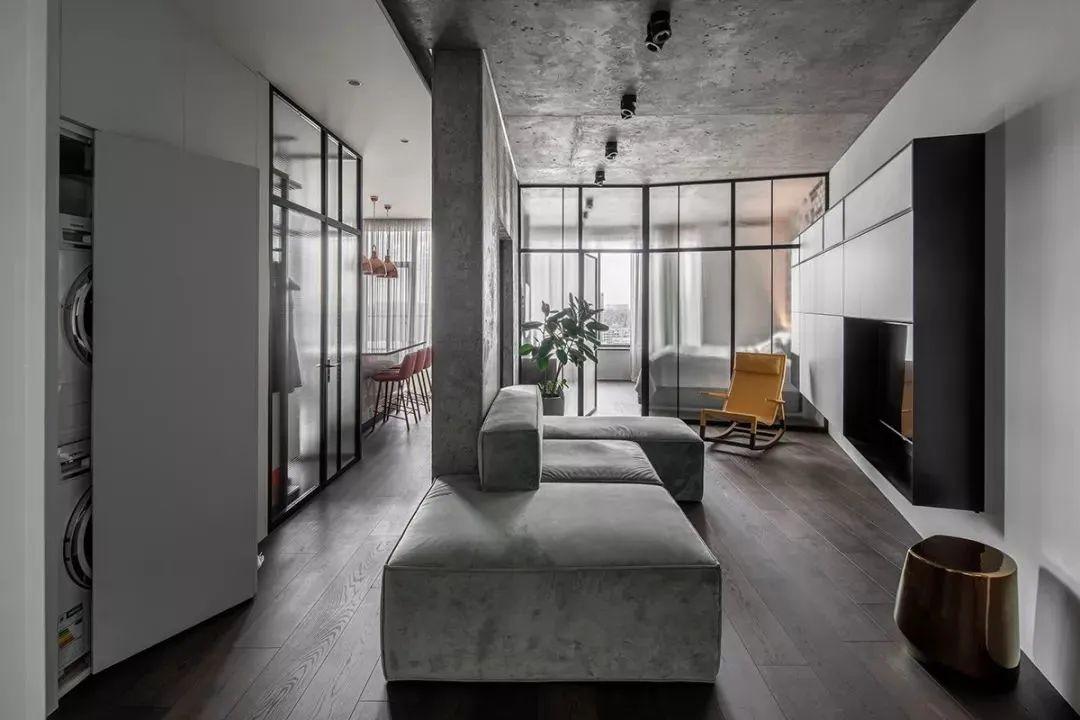
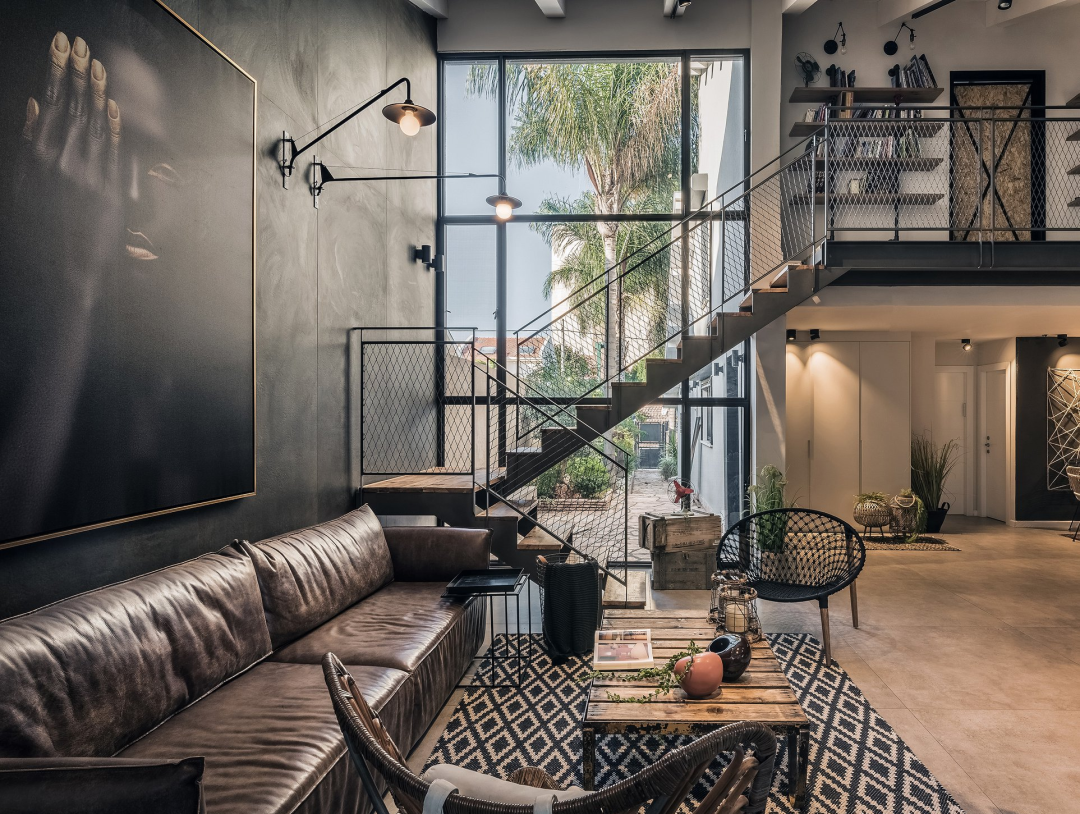
12 Industrial Style

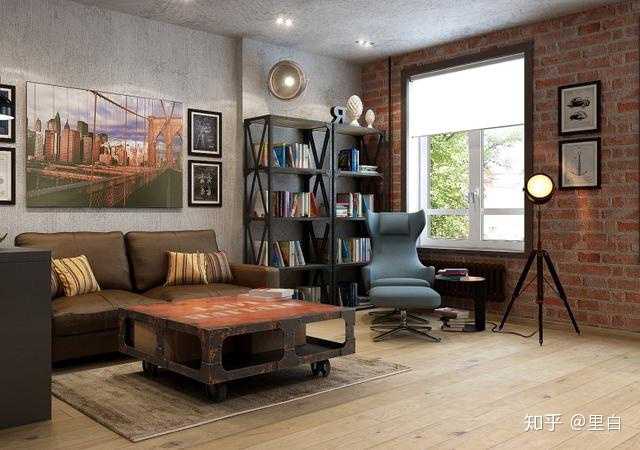
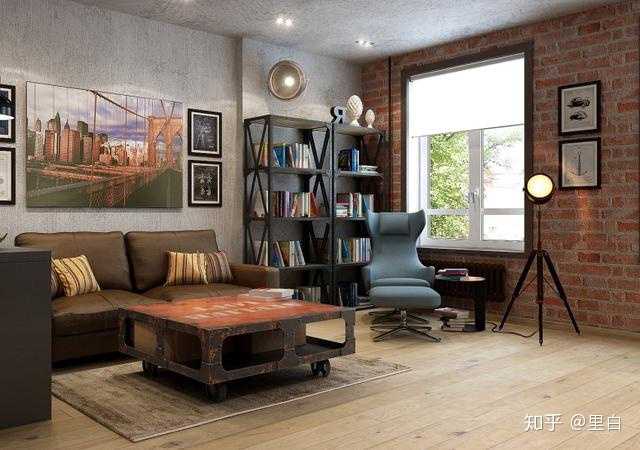
Industrial style, favored by many men, showcases raw beauty with exposed elements and a rugged look.
imageimage

  • Colors: black, white, gray, and brown.
  • Decor includes cement, micro-cement, red brick, and metal pipes.

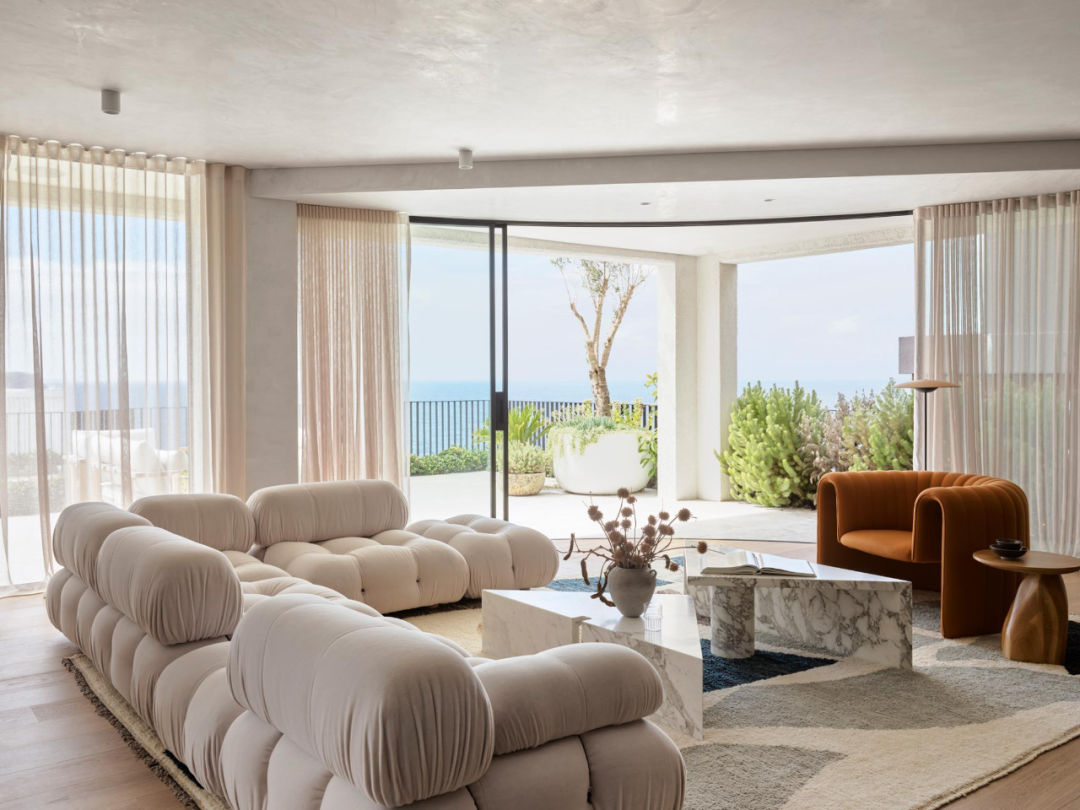
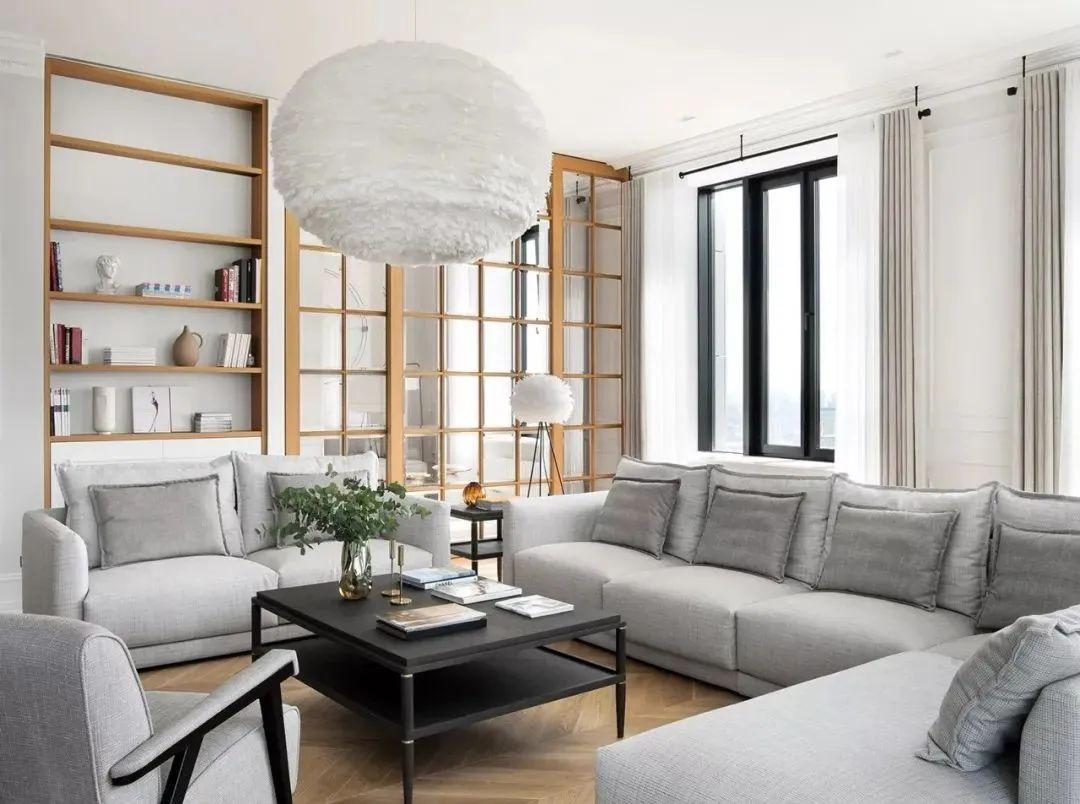
13 Modern Style

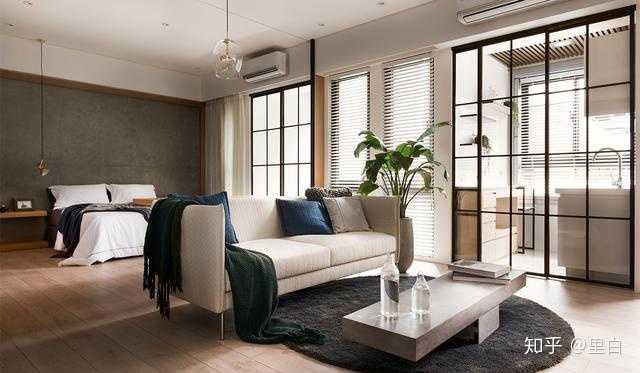
Modern style is a mainstream trend, known as functionalism, with clean shapes and practical layouts.
imageimage

  • Key features: simple forms, minimal decoration, and scientific space planning.

If you need more inspiration, consult with experts for personalized advice!
Comprehensive Guide to Popular Interior Design Styles: Nordic, Modern, Japanese, Industrial, and Minimalist Trends for Home Decoration and SEO Optimization

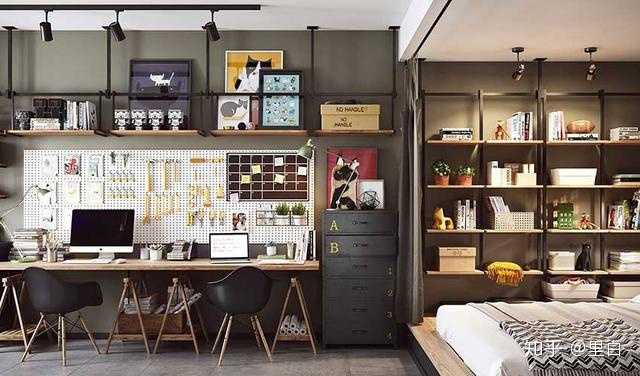
Interior design styles are often overemphasized in theory but challenging to implement in practice due to variations in house structures, furniture choices, and budgets. Most homeowners use style elements as references to create personalized spaces rather than replicating exact styles. For example, a studio apartment in Sichuan blends industrial and Nordic features, showcasing a mixed-design approach.

Mixed design example

Common styles include Nordic, Modern, Japanese, Minimalist, and Industrial. Nordic design emphasizes economy and practicality, with colors like wood tones, achromatic schemes, and cool shades. It prioritizes natural light and ventilation for comfort.

Nordic style example

Modern style, or functionalism, focuses on space functionality with simple shapes, minimal decorations, and versatile materials, often featuring fabric sofas and streamlined furniture.

Modern style example

Japanese style values privacy, order, and storage, using low wooden furniture, natural materials like cotton and hemp, and elements such as tatami for multifunctional spaces.

Japanese style example

Industrial style highlights retro characteristics and industrial materials, incorporating concrete, brick walls, and metal fixtures, not limited to loft spaces.

Industrial style example

Minimalist style removes unnecessary decorations, employing clean lines, geometric shapes, and coordinated colors to enhance spatial perception and simplicity.

Minimalist style example

Complete Guide to Interior Design Styles: Modern, Minimalist, Scandinavian, Industrial, and More for Home Decoration and SEO Optimization

Interior design styles are a direct expression of the homeowner’s aesthetics and lifestyle attitudes, as well as an affirmation of future living ways.

From the simple and sleek modern style to the ancient charm of new Chinese style, different styles赋予空间以独特气质 to meet the diverse imaginations of people’s ideal lives.

We have summarized the following interior design styles and their characteristics:

Modern style is one of the most popular choices today.

It takes “less is more” as the core, abandoning redundant decorations, and focusing on the transparency and practicality of space.

Design often uses straight lines, light colors as the main tone, paired with classic color schemes like black, white, and gray. Furniture choices are simple and smooth, commonly using materials like glass, metal, and fabric to enhance texture.

This style is especially suitable for small apartments, maximizing space utilization and creating a fresh, tidy living atmosphere, aligning with the pursuit of simple life in a fast-paced world.

Modern Interior DesignModern Interior Design

Chinese style is a concrete expression of Chinese culture in space, not limited to complex woodwork but focusing more on the creation of atmosphere.

Its基调多取温润的木色, serene indigo, and elegant beige, with solid wood furniture as the backbone, elements like carved grilles, moon gates, and display shelves are arranged intermittently, showing a古朴质感 while leaving enough breathing space. In soft furnishings, ink wash paintings, celadon ornaments, and linen fabrics complement each other, occasionally accented with a touch of vermilion or bright yellow to instantly enliven the space.

It never seeks visual impact but uses clever ideas like “blank space” and “symmetry” to outline a从容 of “one step, one scene.”

In such a space, one can touch the warmth of tradition and showcase modern people’s yearning for the tranquil life of the ancients, fully displaying the elegance and poetry of Eastern life. Overall, the cost is higher and not suitable for small spaces or ordinary working-class people.

Chinese Interior StyleChinese Interior Style

New Chinese style is a clever fusion of tradition and modernity, and a first choice for many people.

It jumps out of the complexity and heaviness of traditional Chinese style, retaining the essence of Chinese elements like ink paintings, screens, and mortise and tenon structures, while integrating the comfort and convenience of modern design.

Colors are mostly based on wood tones and beige, accented with traditional colors like red and blue. Symmetrical layouts are common in space, paired with Zen-like green plants and tea sets, creating a tranquil and far-reaching Eastern charm.

Whether it’s elders who love traditional culture or young people pursuing an elegant life, everyone can find something they love in a new Chinese style space. Commercial spaces are often applied in mid to high-end places like tea restaurants.

New Chinese Style InteriorNew Chinese Style Interior

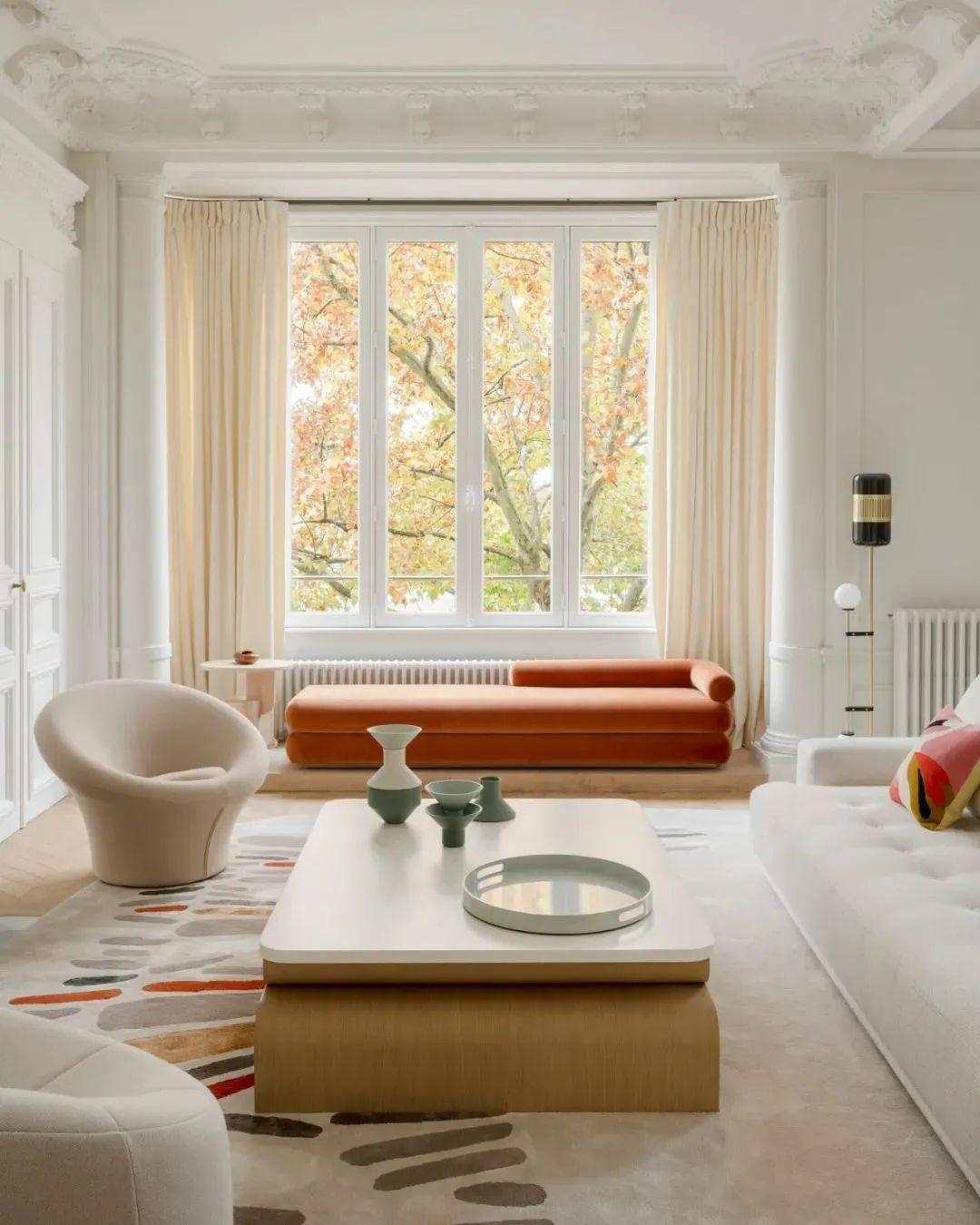
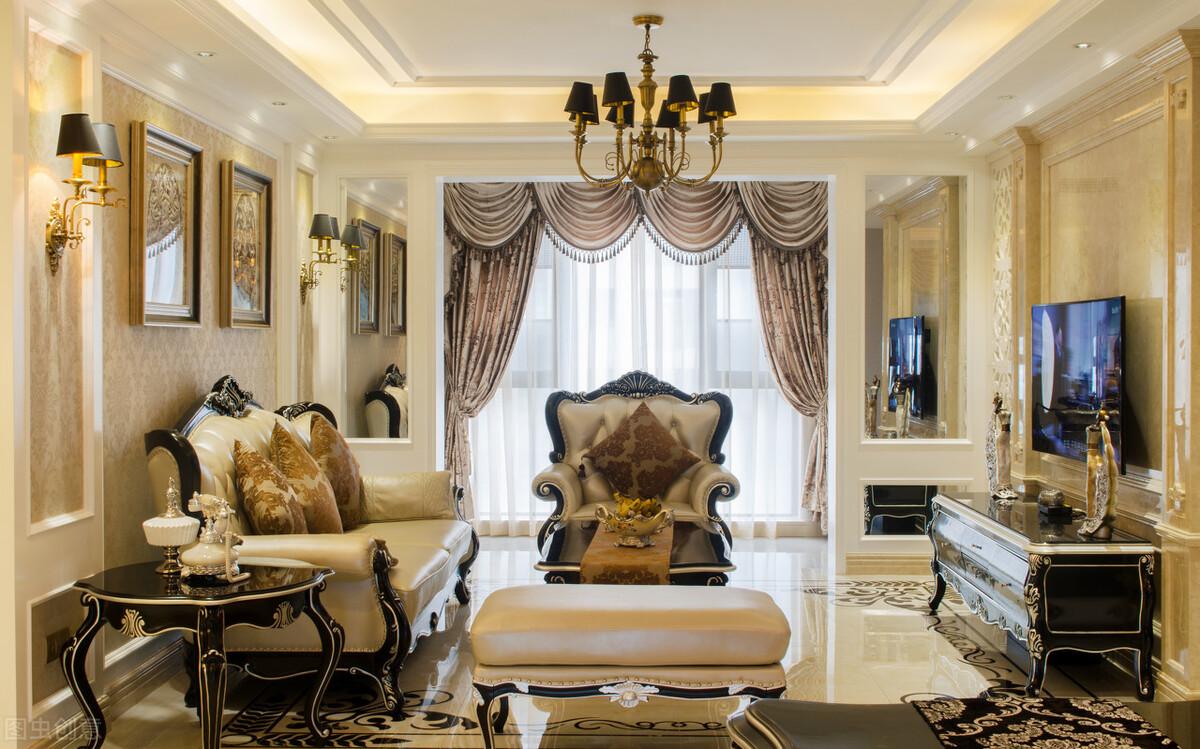
European style is based on classical aesthetics, cleverly blending romance and solemnity, making it a flowing artistic poem in space.

Its core lies in the extreme carving of details, with石膏线勾勒的墙面层次分明, columns and carved handrails replicating the elegant rhythm of palaces, as if freezing the refinement of the Renaissance period at home.

European Interior DesignEuropean Interior Design

Colors often use warm tones like beige, light gold, and soft pink, paired with the sparkling light of crystal chandeliers or the warm glow of复古铜灯, creating a soft and luxurious atmosphere.

Today’s European style tends to be more simplified, weakening complex patterns while retaining the essence of classic elements, making elegance less heavy and more adaptable to the comfort needs of modern living, becoming a timeless aesthetic choice.

Simplified European decoration style is not only popular in interior decoration but also widely applied in the exterior design of self-built villas across China.

Scandinavian style comes with a “healing sense,” originating from the Scandinavian Peninsula, with nature and warmth as keywords.

Design emphasizes connection with nature,大量运用原木家具展现自然纹理, walls are mostly white or light colors, paired with soft carpets, knitted pillows, and other fabric soft furnishings, then adding vitality with green plants and挂画.

Personally, I think it is also close to a minimalist style and is a relatively marketable type of style.

Scandinavian Interior DesignScandinavian Interior Design

Light luxury style focuses on “understated refinement.” It does not pursue excessive luxury but showcases quality through materials and details.

Common metal elements (such as brass, stainless steel) are used as accents, paired with textured materials like velvet, marble, and leather. Colors are mainly neutral tones (beige, light gray, camel), making the overall space appear高级感 without being too flashy.

Light Luxury Interior StyleLight Luxury Interior Style

Industrial style is labeled as “rugged and individual,” inspired by old factories and warehouses.

Exposed concrete walls, metal pipes,复古灯具, and leather furniture are its signature elements. Colors are mostly black, brown, and copper, full of a tough复古感,深受艺术从业者,潮流爱好者追捧.

Due to the rugged and hard visual feel, it is only niche in home applications, but it is quite common in commercial spaces, such as in the餐饮类 industry.

Industrial Interior DesignIndustrial Interior Design

American style is divided into classic and modern types. Classic American prefers大气实木家具,复古花纹, and warm tones, creating a stable home feel; modern American simplifies lines, adds fresh colors, and appears lighter, suitable for families pursuing comfort and a lived-in atmosphere.

It was once favored by some corporate middle and senior managers as a symbol of status,风靡一时.

American Interior StyleAmerican Interior Style

In addition, there are French style, Japanese style, Southeast Asian style, etc.

Choosing a decoration style does not need to be confined to one; nowadays, “mixed style” is also very popular, such as integrating the collision of various style elements, as long as the balance is well grasped, you can create a unique ideal residence.

In the end, there is no “best” decoration style, only the “most suitable” one – a space that fits living habits and personal preferences. Decoration design plans not the functional space but the homeowner’s future lifestyle.

Explore the Most Popular Interior Design Styles: Modern Minimalist, Chinese Traditional, European Elegance, French Chic, American Freedom, Light Luxury, and IKEA Practicality

Modern simplicity can be divided into modern style and minimalist style.

Modern style pursues trends and emphasizes the combination of interior space layout and practicality.

Minimalist style focuses on minimalism, attention to detail, and simple taste.

Image

These two styles share many similarities, and their combination results in the highly popular modern minimalist style.

It prioritizes simplicity, advocating for functionality and practicality.

With clean shapes and a palette dominated by black, white, and gray, it creates a trendy and avant-garde fashion sense.

Image

Chinese culture has continued for over five thousand years, with a rich traditional architectural atmosphere that emphasizes details like windows, scenery, mountains, and water.

It blends traditional cultural elements with contemporary society.

Based on modern aesthetic needs, it creates interior spaces with traditional charm, allowing traditional art to be appropriately represented in today’s society.

Image

European style represents the entire European civilization, including French, Italian, Spanish, English, Mediterranean, and Nordic variations.

Originating in Egypt and evolving through Greek, Roman, Byzantine, Romanesque, and Gothic art, it forms the early European artistic styles.

It overall gives a sense of nobility, luxury, and grandeur, reflecting an elegant temperament and romantic quality of life.

In China, due to cost and personal preferences, many pure European styles have been refined into the popular simplified European style.

Image

French style refers to the architectural and furniture styles of France.

It mainly includes French Baroque, Rococo, Neoclassical, and Empire styles.

French style overall features exquisite craftsmanship, with intricate carvings, lines, and striking classical details, presenting a royal and aristocratic feel.

The typical matching principle for French style involves gray-white dining tables and chairs with slight carvings, curved arms and legs for elegance and expense. Combinations of white curtains with scrolling patterns, crystal chandeliers, floor lamps, and lily vases bring a romantic and fresh sensation.

Image

American style emerged in the colonial Americas, with the U.S. as an immigrant nation. People from around the world brought diverse cultures, making American style broad, comfortable, and eclectic.

American style overall is rugged and bold, symbolizing the characteristics of American freedom.

It represents a free, casual, and uninhibited lifestyle. Without excessive artificial decoration or constraints, it achieves a casual romance effortlessly.

These elements reflect the needs of a lifestyle, with decoration effects showing cultural and noble feelings while not lacking freedom and sentiment.

Image

The term ‘light’ in light luxury means simplicity and conciseness. Essentially, it is minimalism.

Representative styles include industrial, Nordic, modern minimalist, minimalism, and new Chinese styles. Industrial style, as a representative of simplicity, lacks a luxurious taste. To enhance luxury feel and texture, elements like lines, metals, and furniture can be added.

Luxury is a representative of modern style. To stand out, a small amount of classical elements need to be incorporated.

Luxury can be seen as a fusion of modern and classical.

Light luxury is also modern light luxury style, permeated with simplicity and luxury.

This style is now very popular among young people.

Image

The above six styles are the most popular decoration styles.

Additionally, there is another style—IKEA style.

Image

IKEA is located in major cities, as its furniture products feature simple, fresh, and natural designs; strong storage capacity; easy mobility and assembly; affordable prices, and fashionable simplicity without complexity, with high practicality that meets young people’s taste requirements for life.

Comprehensive Guide to Popular Interior Design Styles: Nordic, Modern, Japanese, Industrial, and Minimalist Approaches for Home Decoration

Have you ever found it difficult to define a specific interior design style? Overhyped ‘styles’ are challenging to implement in real-world design and renovation due to variations in house structure, soft furnishings, and budget constraints. In practice, few people replicate a style exactly; instead, homeowners draw inspiration from preferred styles, blending elements to create a personalized space. For instance, this single apartment in Sichuan combines industrial touches with Nordic influences, exemplifying a mixed design approach.

Mixed design exampleInterior layout

Common design styles include Nordic, modern, Japanese, minimalist, industrial, Chinese, and American styles, with the first five being perennial favorites in the design world.

1. Nordic Style: Nordic design embraces decoration but prioritizes economy and practicality. For example, chairs and lighting are valued where functionally needed, not as mere decorative accents.

Nordic style interior

Color schemes often feature wood tones, neutrals, neutrals with cool hues, or bright accents. Natural light and ventilation are emphasized as crucial for comfort, surpassing style alone.

Nordic lighting example

2. Modern Style: Also known as functionalism, modern design focuses on space utility. It features clean lines, minimal decor, and practical materials, often incorporating fabric sofas and sleek furniture.

Modern living room

3. Japanese Style: Pure Japanese style is rare; most prefer a modern interpretation like MUJI. Emphasis is on privacy, storage, and efficient space use, creating a serene, orderly atmosphere.

Japanese style home

Furniture is low-profile and wooden, with natural materials like rattan, cotton, and linen. Tatami mats are iconic for their multifunctionality and storage benefits.

Tatami room

4. Industrial Style: Key aspects include vintage elements, industrial materials, and adaptability beyond lofts. It often combines raw textures like concrete, brick, and metal for a rugged aesthetic.

Industrial style apartment

5. Minimalist Style: Originating in mid-20th century America, minimalism strips away unnecessary decor, focusing on clean lines and geometric shapes. Color harmony enhances spatial perception, making rooms feel larger.

Minimalist interior

Hardware is simplified, with concealed wiring and integrated fixtures to maintain clutter-free spaces. For instance, a balcony transformed into a tatami platform offers hidden storage.

Minimalist storage solution

Comprehensive Guide to 13 Interior Design Styles: Nordic, Wood, Minimalist, Cream, French, New Chinese, Luxury, Retro, Wabi-Sabi, American, Industrial, Modern for Home Decoration

After the holiday season, many people are planning to start their home decoration projects. Before beginning, it’s essential to set a budget and define the desired style for your home based on functionality and family needs. Here, we explore 13 popular interior design styles to inspire your choices.

Introduction to home decoration

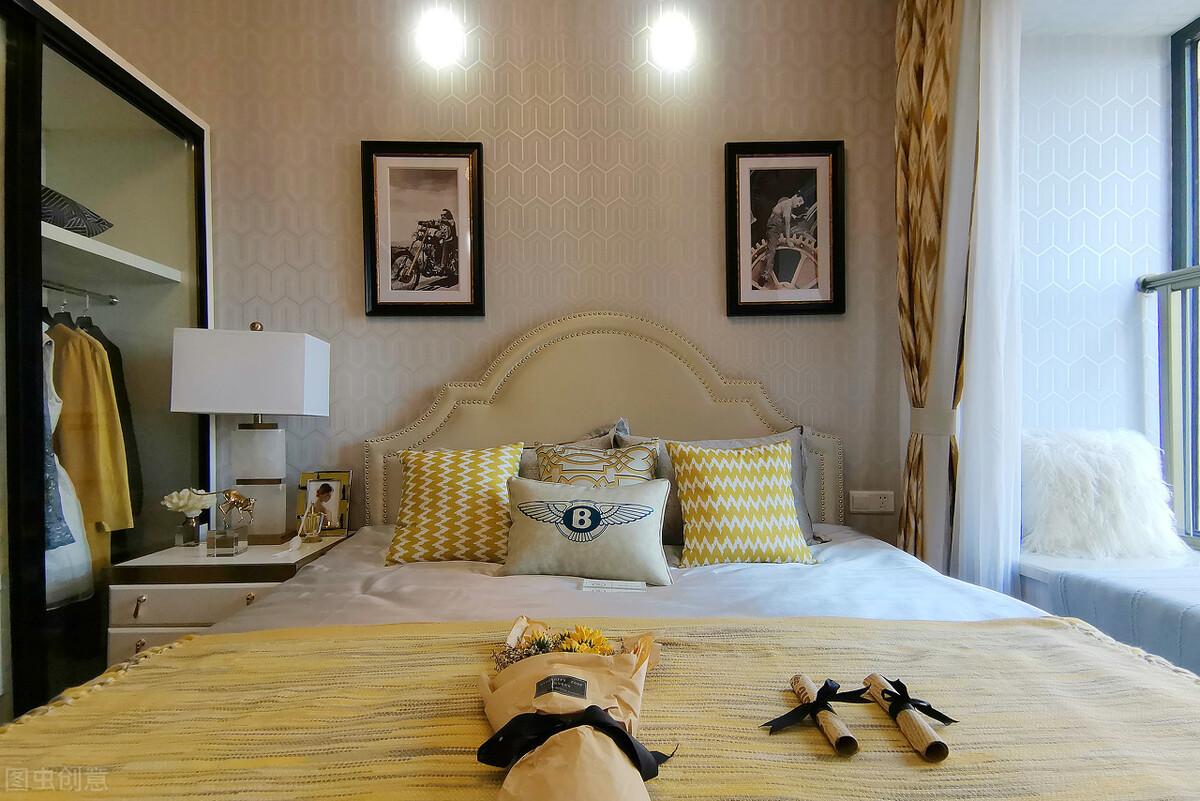
Nordic style is known for its fresh, cost-effective, and natural comfort, featuring clean color palettes like blue, green, gray, and yellow, with simple materials that create a high aesthetic appeal.

Nordic style example

Wood style emphasizes natural textures using materials like wood panels, flooring, and furniture for a rustic yet modern feel.

Wood style example

Minimalist style focuses on simplicity and质感, with neutral colors such as black, white, gray, and brown, and clean lines for a timeless look.

Minimalist style example

Extreme minimalist style takes simplicity further with precise craftsmanship, hidden storage, and narrow borders for a sleek appearance.

Extreme minimalist style example

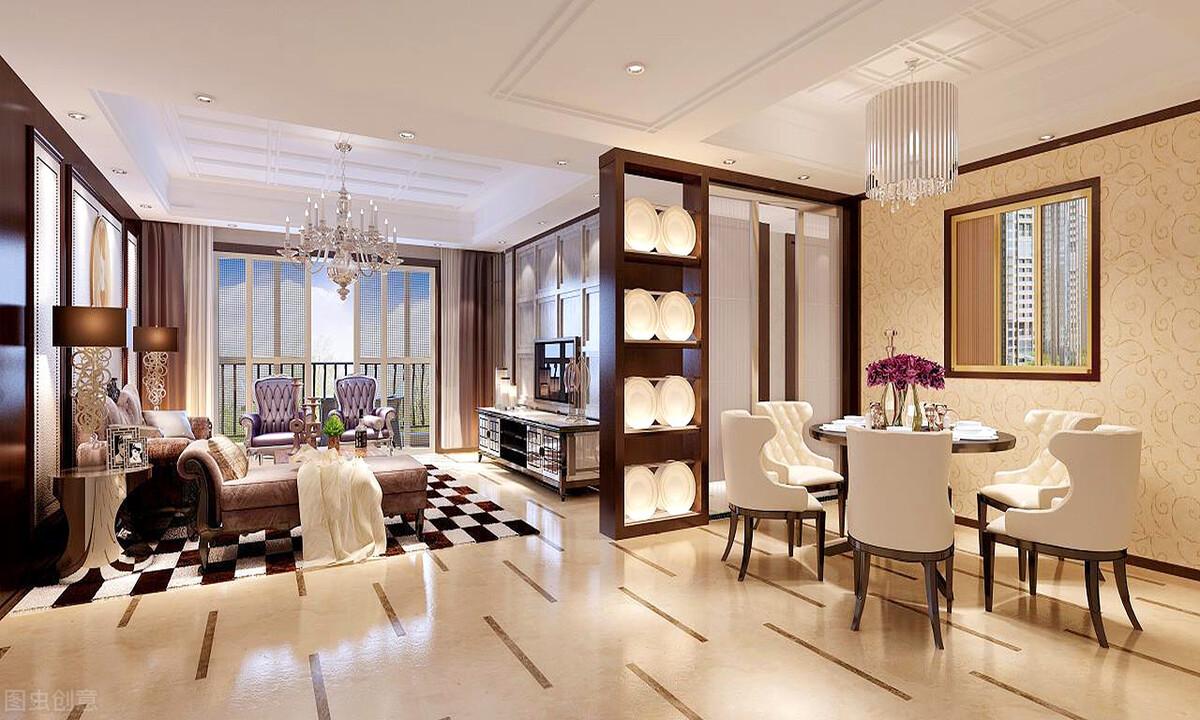
Cream style is trending for its soft color schemes like cream, beige, and pastels, often blended with other styles for a cozy atmosphere.

Cream style example

French style exudes elegance and romance, with intricate lines,石膏 decorations, and marble accents for a luxurious touch.

French style example

New Chinese style offers a modern twist on traditional elements, using low-saturation woods for a refined and natural aesthetic.

New Chinese style example

Light luxury style combines opulence with subtlety, featuring natural stones like marble and custom wall designs for a sophisticated look.

Light luxury style example

Retro style uses deep colors and vintage elements for a bold statement, while Wabi-sabi style embraces imperfect beauty with earthy tones and natural materials.

Wabi-sabi style example

American style is characterized by sturdy materials like solid wood and leather, and industrial style showcases raw elements like exposed concrete and metal for a rugged appeal.

Industrial style example

Modern style prioritizes functionality with clean shapes and efficient layouts, making it a popular choice for contemporary homes.

Modern style example

Each style offers unique benefits, so consider your preferences and consult experts for the best results in your decoration journey.

Minimalist vs Light Luxury Interior Design Guide for Large Homes Over 100 Square Meters – Expert Tips and Trends

For large homes over 100 square meters, 50% of homeowners choose minimalist style, 30% prefer light luxury style, and the remaining 20% opt for styles like simple European, European, or new Chinese style.

When discussing minimalist style, some people mistakenly label it as “cold and sterile,” but in reality, that’s just one aspect. Minimalist style can also incorporate warm and neutral color schemes.

Imagine using warm-colored elements such as wooden floors, furniture, and decor in your home design—this creates a cozy, simple, and even healing minimalist style. Can you still call it cold and sterile?

Minimalist design with warm tonesMinimalist interior example

In fact, achieving a simple look is often more challenging than it appears. DIY minimalist design can easily end up looking barren and monotonous.

So, how can you achieve minimalist style?

1. Unified Color Scheme: Emphasize a primary色调. In minimalist design, color coordination is crucial, and a space should have a dominant色调 for visual balance. Typically, minimalist spaces use black, white, gray, and wood tones as the main palette.

Minimalist color scheme example

2. Eliminate Excessive Decor: Keep hard furnishings simple. Minimalist style follows the principle of “less is more,” focusing on essential elements.

Simple minimalist decor

3. Whole-House Customization: This is the essence of minimalist style. Custom cabinets with sleek designs support the aesthetic, adding storage and enhancing the home’s layers and proportions.

Custom minimalist furniture

Light luxury style builds on minimalist foundations, replacing complex elements from styles like European or French with clean, straight lines. It uses premium materials and refined soft furnishings to highlight quality, embodying a high-end lifestyle.

Light luxury design example

Light luxury isn’t about overt opulence but a subtle, luxurious atmosphere. High-quality custom furniture is essential, often featuring materials like lacquered panels, marble, stone slabs, and metal for sophistication.

Luxury custom furniture

Light luxury can vary, including modern, French, Italian, or even Chinese and Japanese influences, requiring designer expertise for a restrained yet elegant outcome.

We are a very complete car parts, 95% of the basic accessories can be found

×
WhatsApp WhatsApp contact me online