
Stainless Steel Countertops: Comprehensive Guide to Advantages, Durability, and Hygienic Benefits for Modern Kitchen Design
Advantages of Stainless Steel Countertops
Due to issues with quartz countertops, consumers have lost confidence and worry about purchasing inferior products. As a result, they are turning to another countertop material—stainless steel countertops.
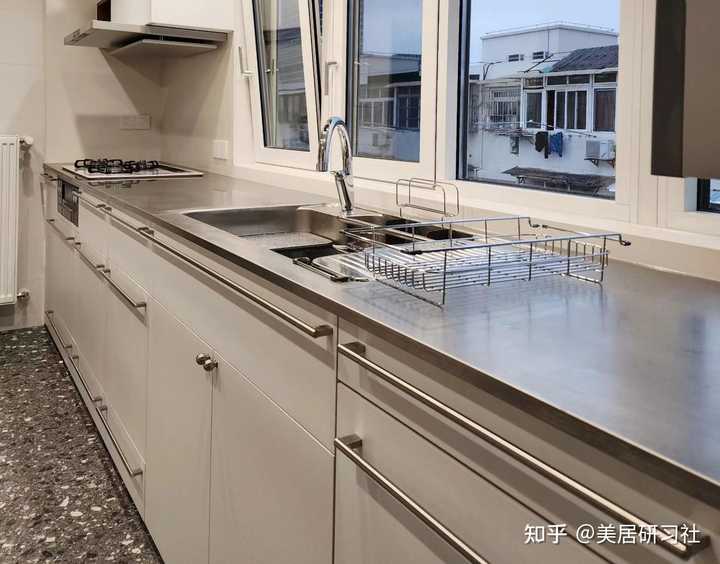
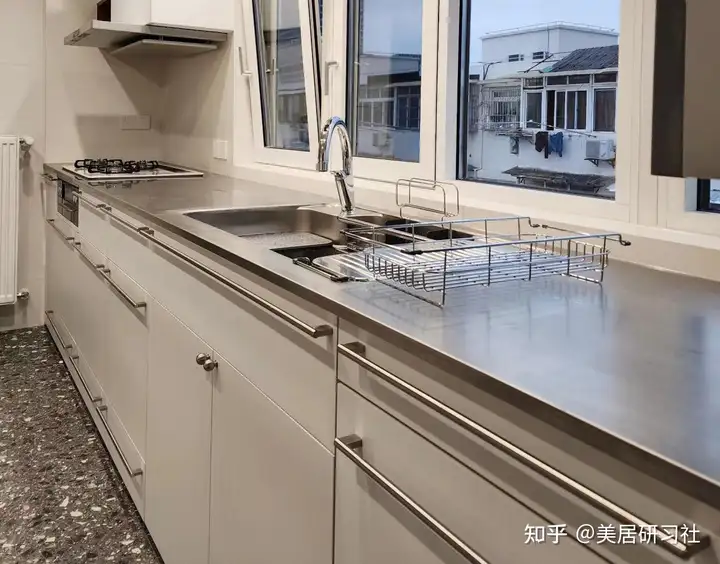
Today’s stainless steel countertops come in various styles and offer hardness, wear resistance, and scratch resistance that rival quartz countertops, along with many other advantages that appeal to consumers.
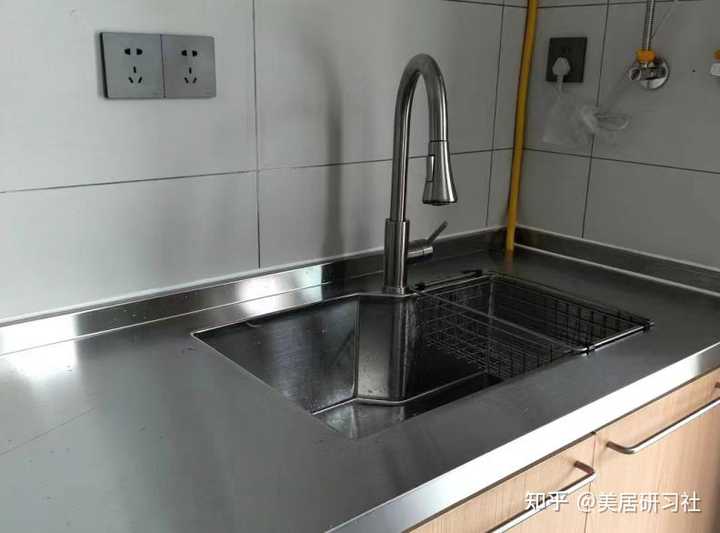
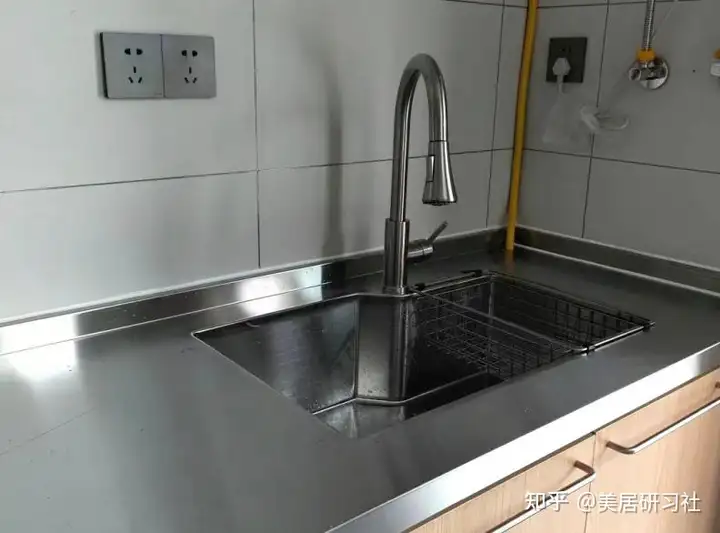
Stainless steel countertops are accepted by consumers not only because they avoid the drawbacks of quartz but also due to their own strengths, allowing them to stand out in the market.
When installing a sink on a quartz countertop, it requires cutting holes and adhering the sink, which can lead to mold growth and water leakage problems.
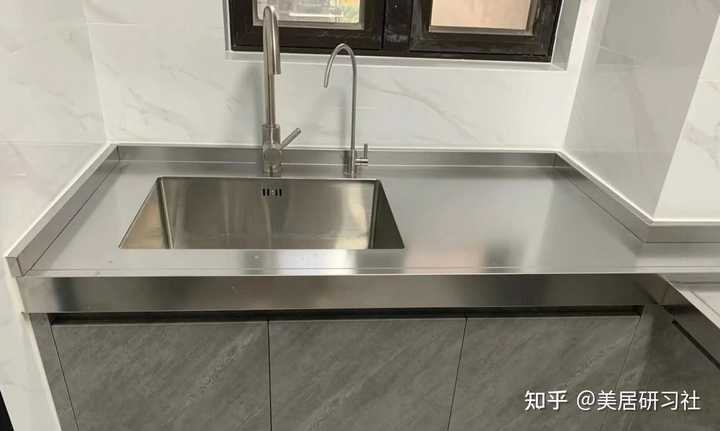
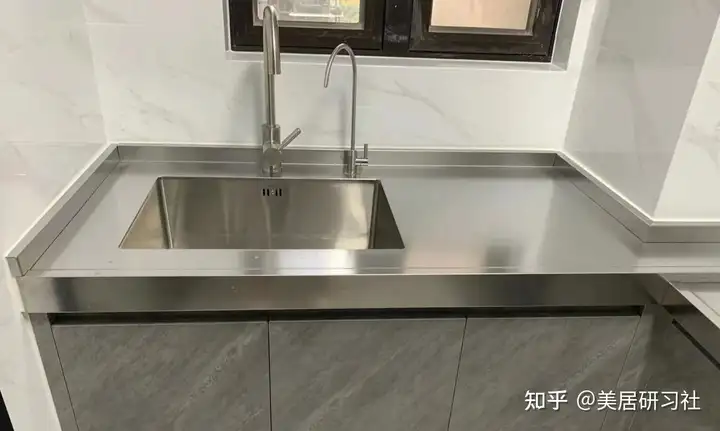
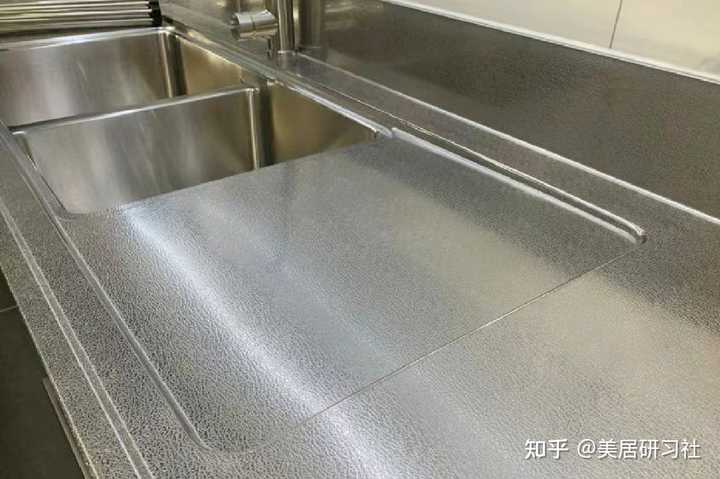
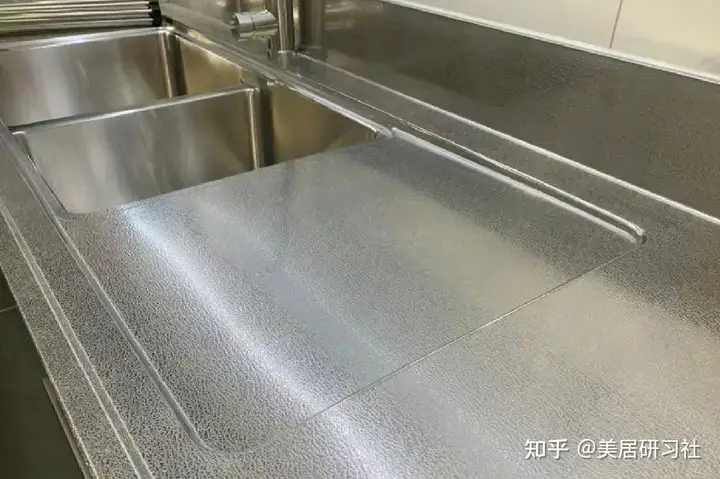
In contrast, stainless steel countertops feature an integrated sink and backsplash, achieving seamless connections that prevent dirt accumulation and enhance aesthetics and practicality.
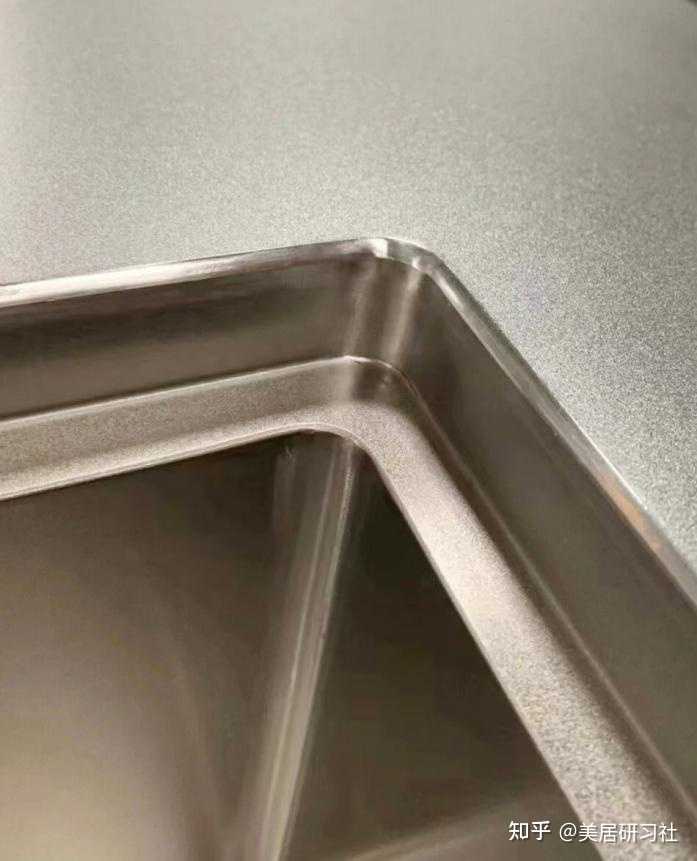
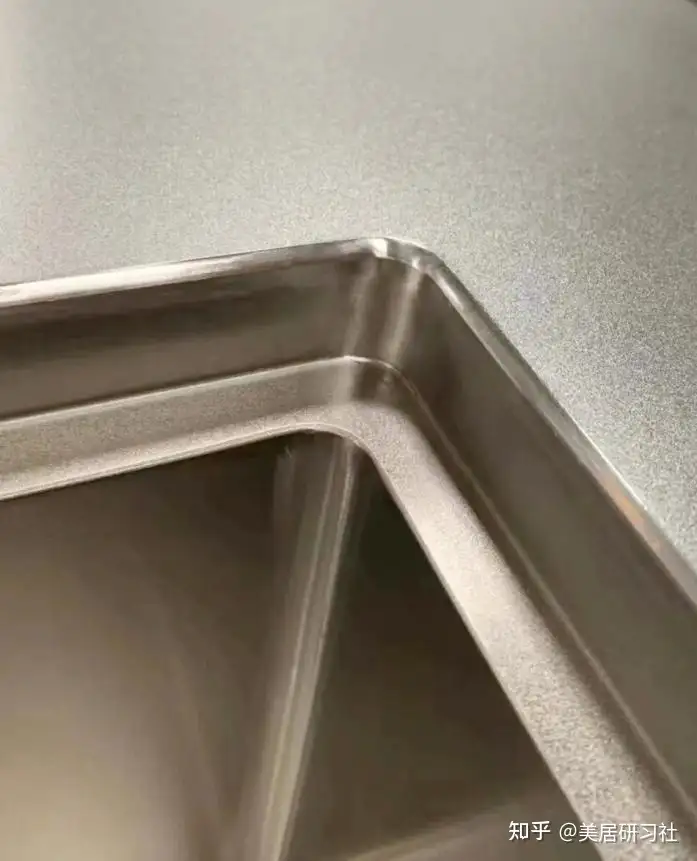
Since no sink adhesion is needed, there are no gaps or silicone sealant. Therefore, there is no worry about mold or water seepage at the sink or seams.
Additionally, when chopping bones with force, quartz countertops might crack under excessive pressure.
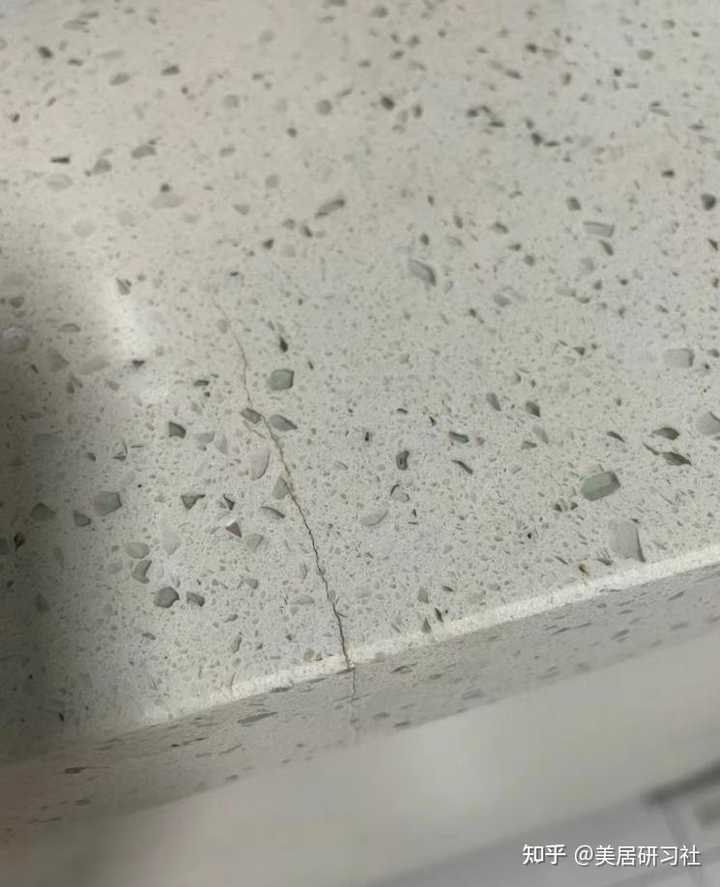
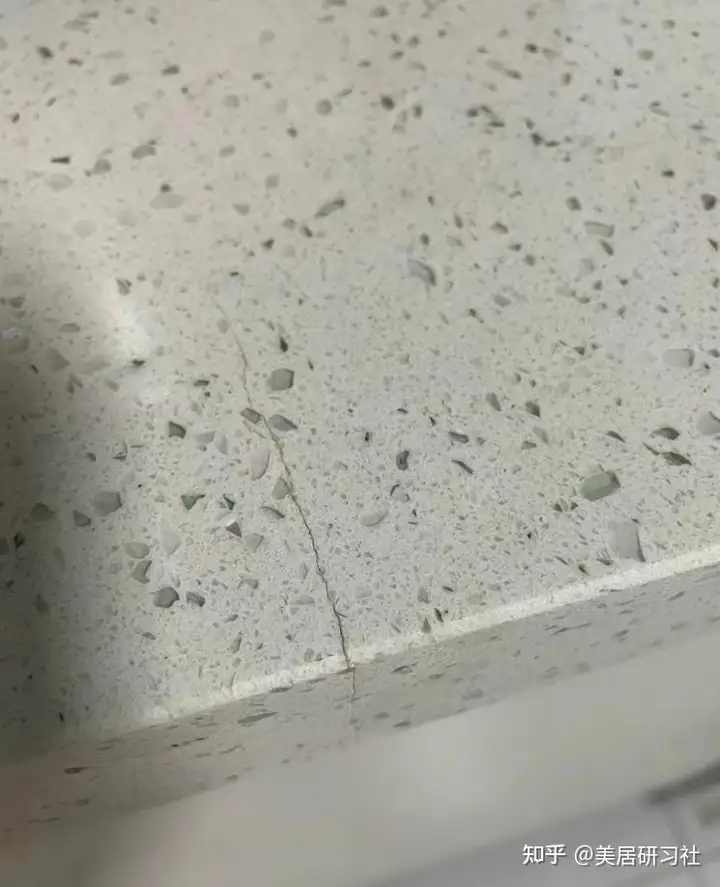
Integrated stainless steel countertops are much sturdier, basically eliminating cracking issues, allowing for worry-free operation.
Unlike ordinary stainless steel, stainless steel countertops undergo special processing for higher hardness, excellent wear and scratch resistance, durability, and a long lifespan.
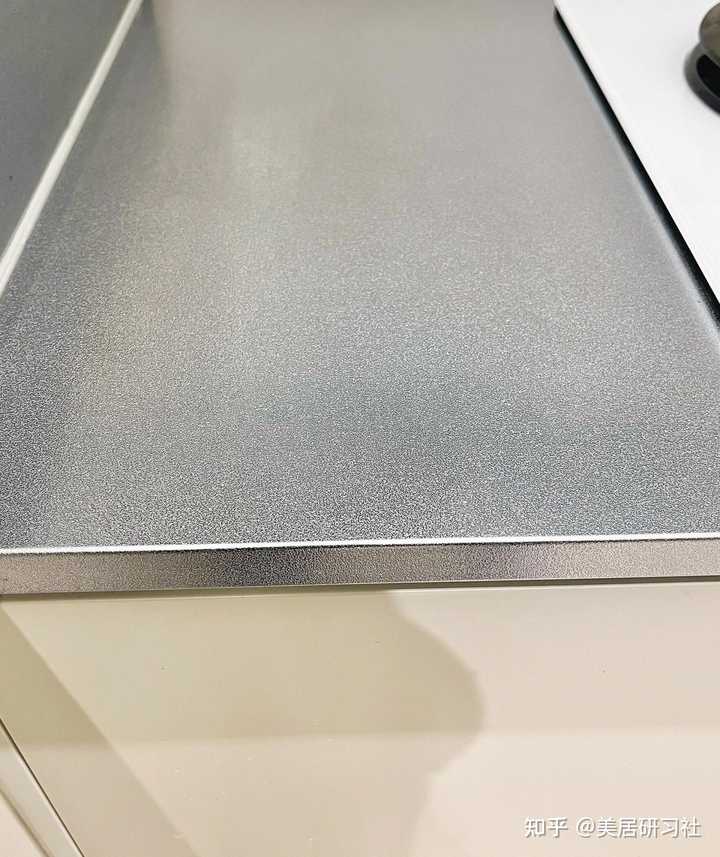
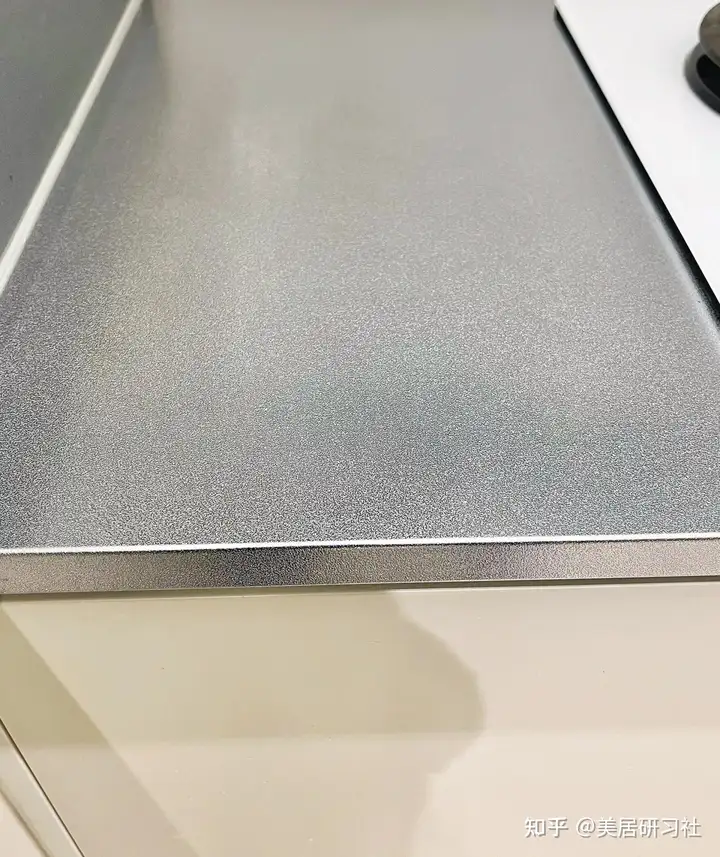
Even if accidentally scratched, no marks are left, except under violent damage.
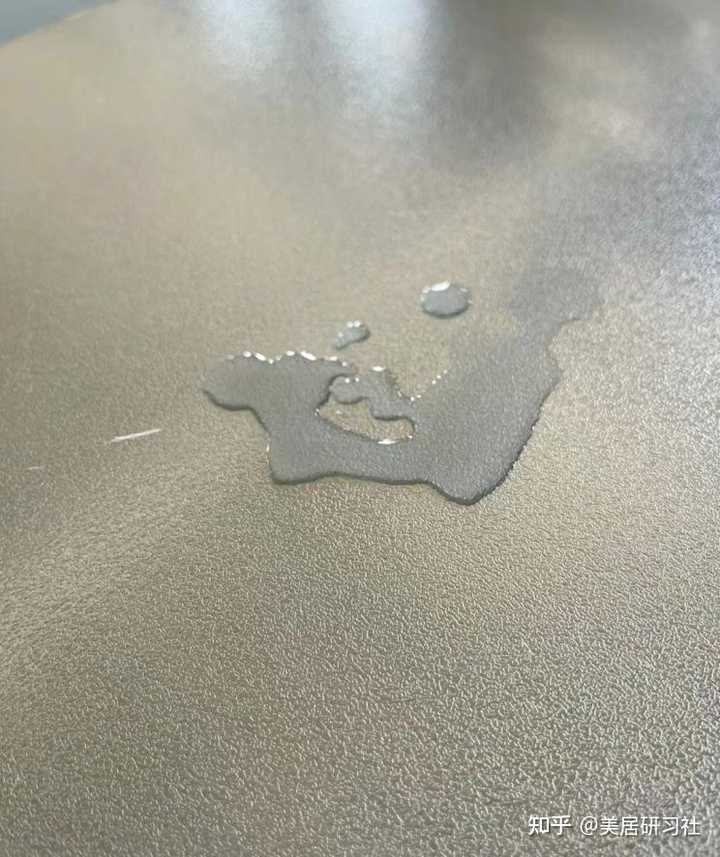
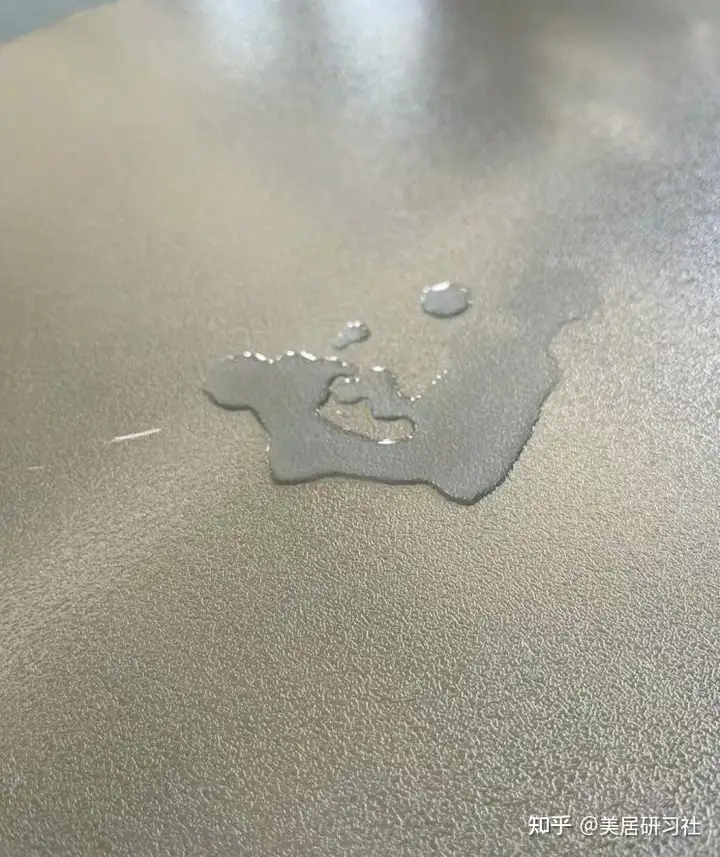
Moreover, they have good stain and corrosion resistance, are easy to clean with a bit of detergent, and wipe clean quickly. Unlike quartz, oil stains won’t seep in, maintaining aesthetics.
Stainless steel countertops are typically made from solid stainless steel plates, available in various thickness options.
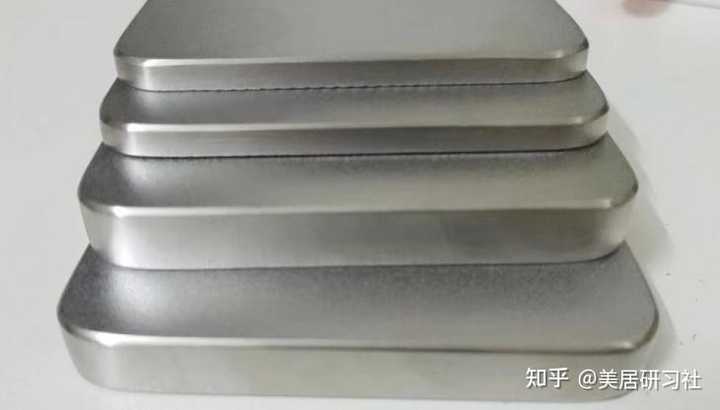
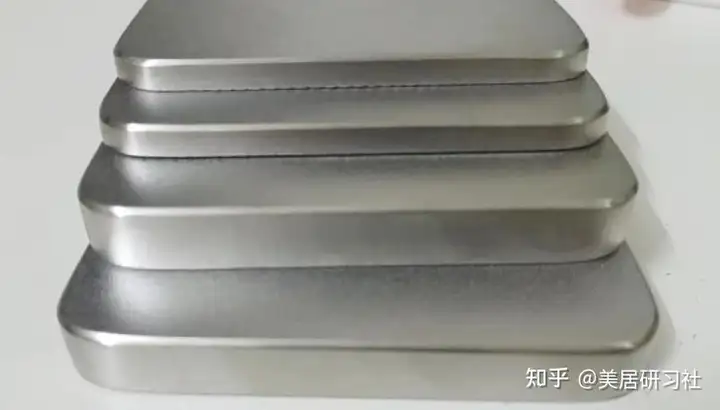
Common thicknesses include: 1MM, 5MM, 8MM, 10MM, 20MM, etc. Thicker options are more expensive, allowing choices based on budget.
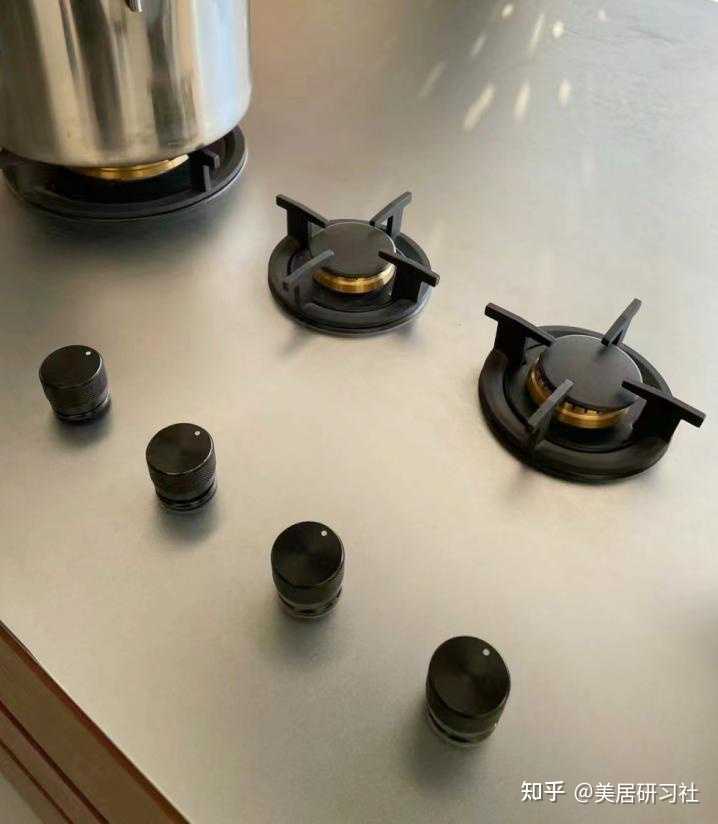
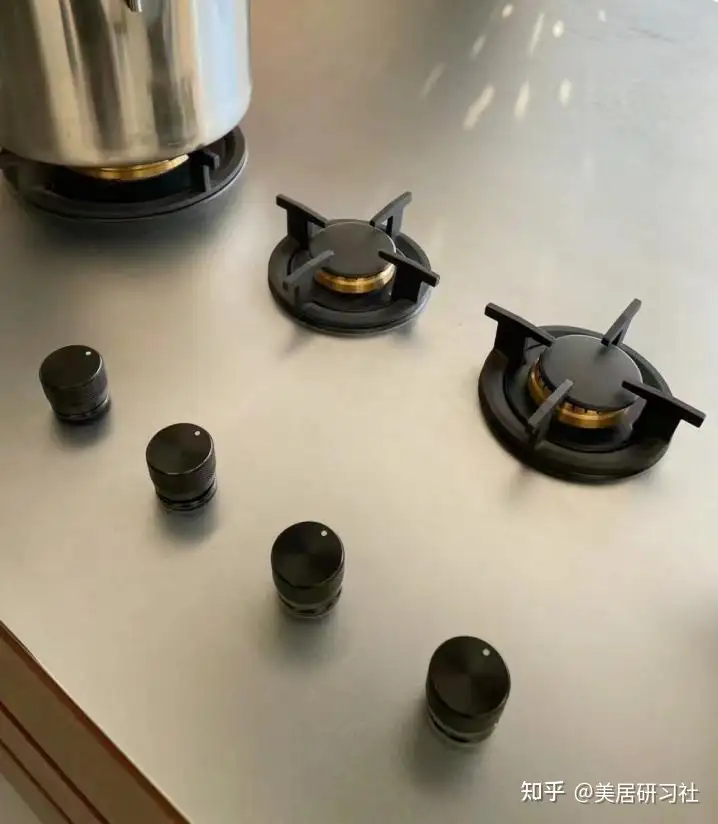
Stainless steel plates have high density and weight, making them very sturdy and damage-resistant, with a premium look.
After special treatment, stainless steel countertops are heat-resistant; even placing hot pots on them won’t cause damage or discoloration.
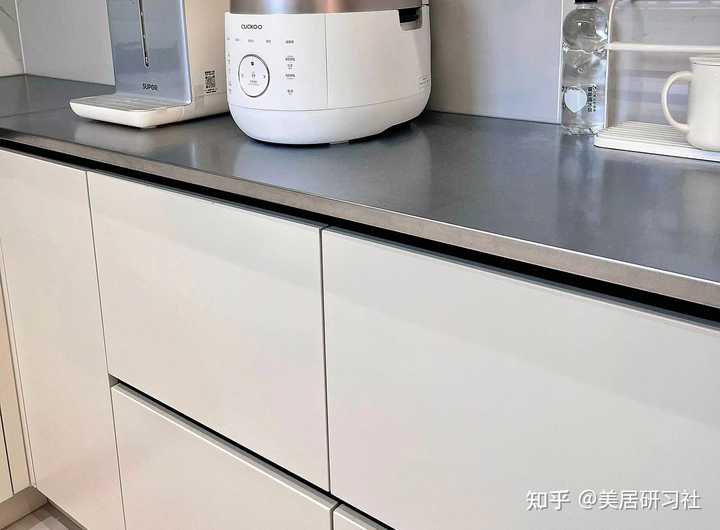
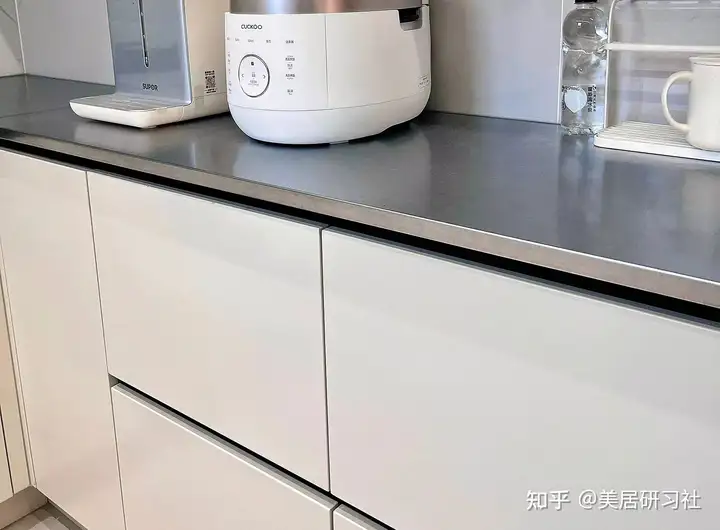
In contrast, placing hot pots on inferior quartz countertops might leave marks.
Stainless steel countertops are waterproof, moisture-resistant, made from safe, non-toxic materials that don’t emit harmful substances or radiation.
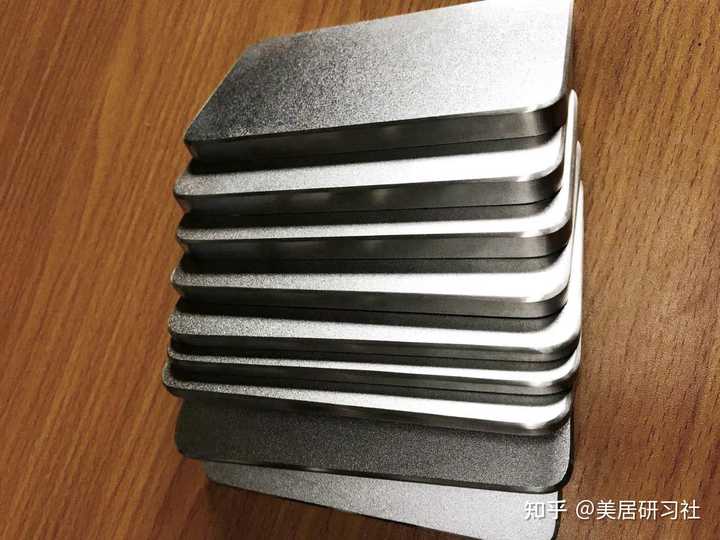
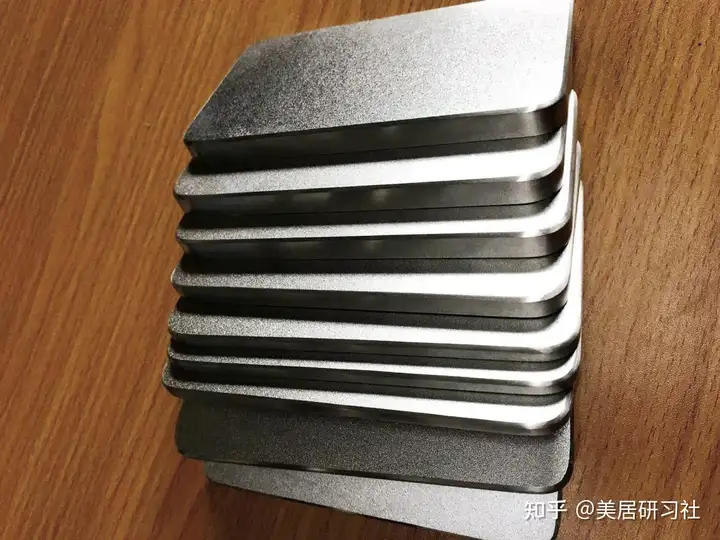
However, remember to choose 304 stainless steel that meets the GB4806.9-2016 certification standard for food-grade quality. Avoid 201 stainless steel, which has poorer environmental and corrosion resistance.
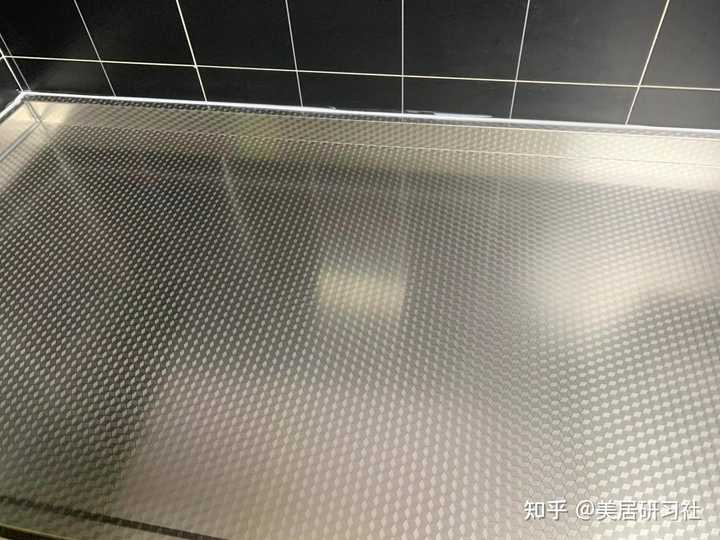
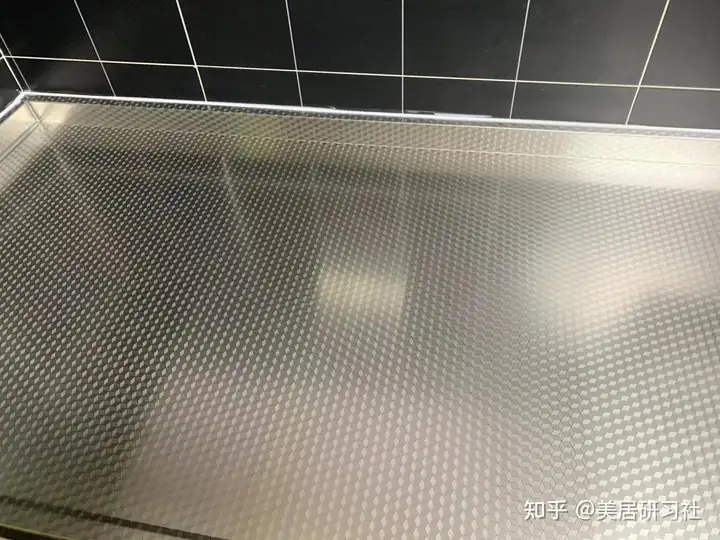
Compared to quartz, some inferior products may contain heavy metals like lead or cadmium and non-eco-friendly adhesives, posing health risks.
Both quartz and stainless steel countertops have their pros and cons; for example, stainless steel has fewer color and texture options and is more expensive.
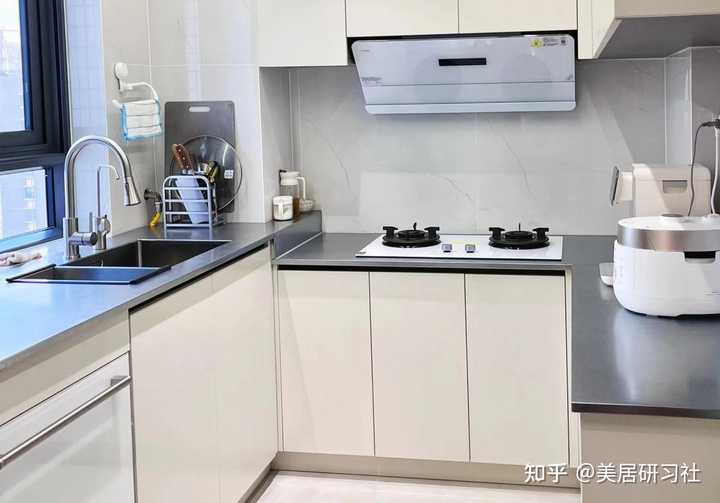
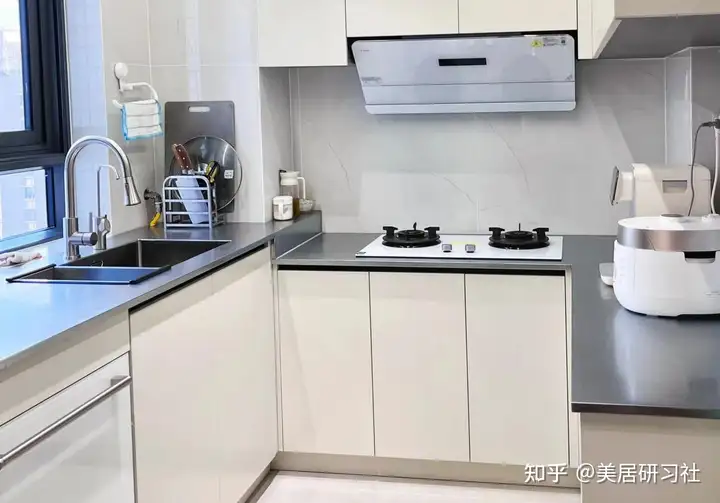
Most importantly, choose reputable brands and purchase from正规 channels to avoid inferior products and counterfeits; never compromise for low prices.
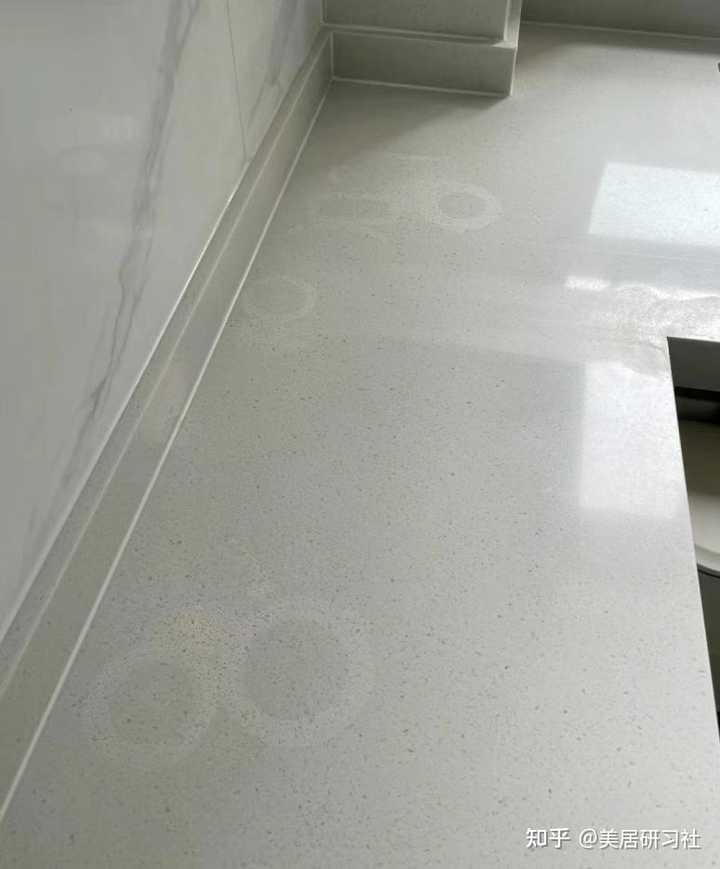
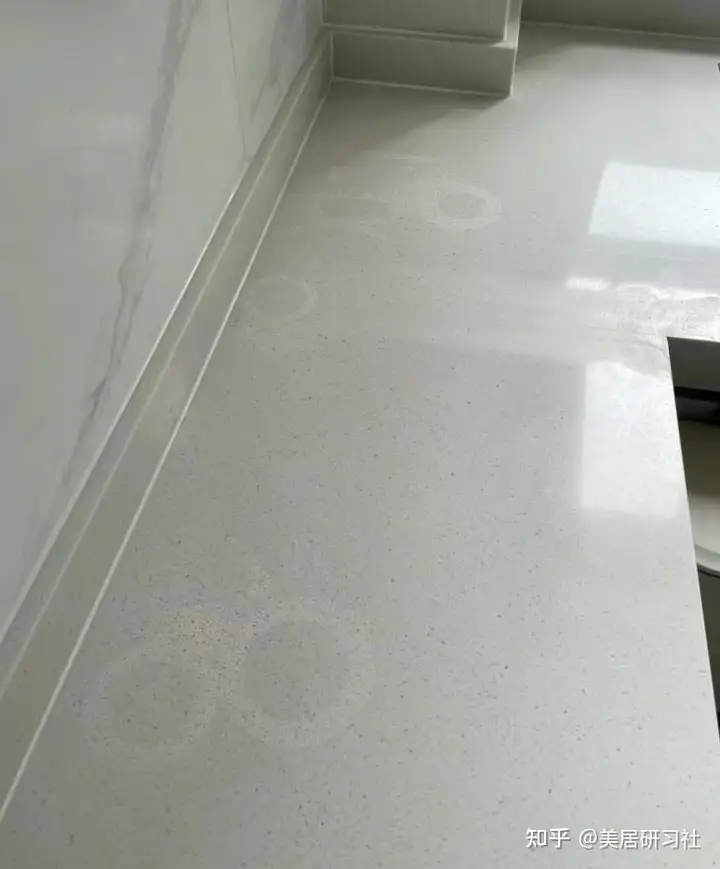
Stainless steel countertops are stylish, resistant to wear, scratches, and corrosion, very durable, easy to clean, and ideal for modern use.
 WhatsApp contact me online