
Ultimate Tile Selection Guide: Expert Tips on Choosing Ceramic Tiles for Home Decor, Including Types, Sizes, Water Absorption, and Room-Specific Recommendations
Tile products offer a wide variety in materials, colors, and specifications, making it challenging for homeowners to select the right ones. This guide provides essential insights into how to choose tiles based on your actual needs and room conditions.
Part 1: Five Steps to Select Tiles
Before choosing tiles, evaluate the room’s design style, natural light, and area size to determine color, pattern, and size preferences. Narrow rooms typically suit single-color floor tiles for a cohesive look.
Visit building material markets to gather brochures and compare prices. Take advantage of promotions for free consultations and discounts, ensuring a wide selection and quality options.
Consult with store guides or designers; many branded tile stores offer free home measurement and full-house design services. Learn from others’ experiences to identify reliable brands and avoid common pitfalls.
Opt for brands with strong reputations and high credibility, as they reflect comprehensive capabilities in technology, quality, and service. Purchasing from reputable建材 markets enhances quality assurance.
Larger companies generally provide robust pre-sales, in-sales, and after-sales support, including technical assistance and on-site services for any issues.
Part 2: Tile Categories and Selection Techniques
Tiles are broadly classified into glazed and vitrified types based on appearance. Glazed tiles are ideal for kitchens and bathrooms, while vitrified tiles suit living rooms and bedrooms.
From a professional perspective, tiles are categorized by water absorption into five types: porcelain tiles (E≤0.5%), ceramic tiles (E>9% to 0.5% to ≤3%), fine stoneware tiles (E>3% to ≤6%), and earthenware tiles (E>6% to ≤10%).
Generally, lower water absorption correlates with higher wear resistance and better slip resistance, resulting in superior quality, enhanced decoration, and improved comfort.
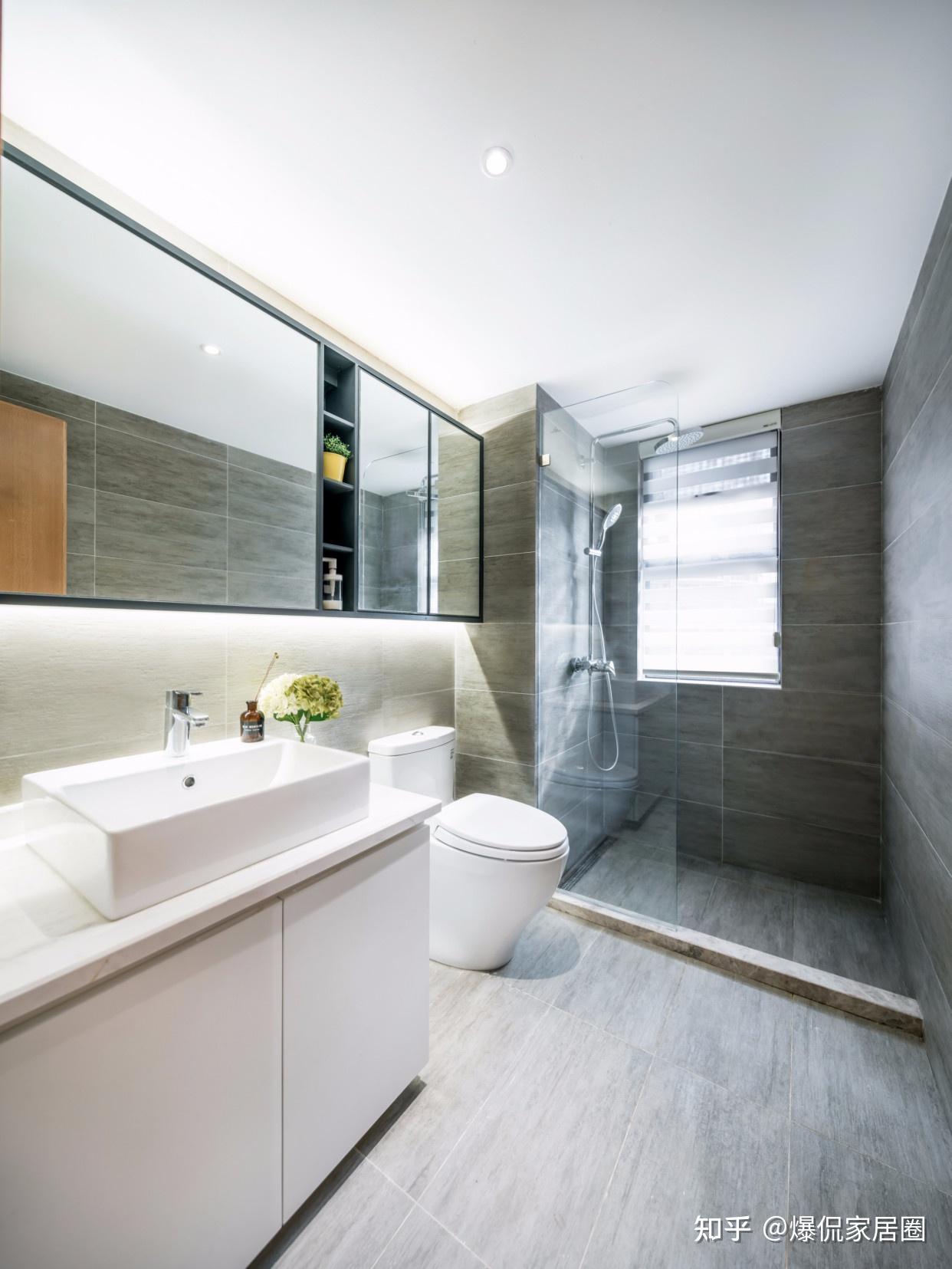
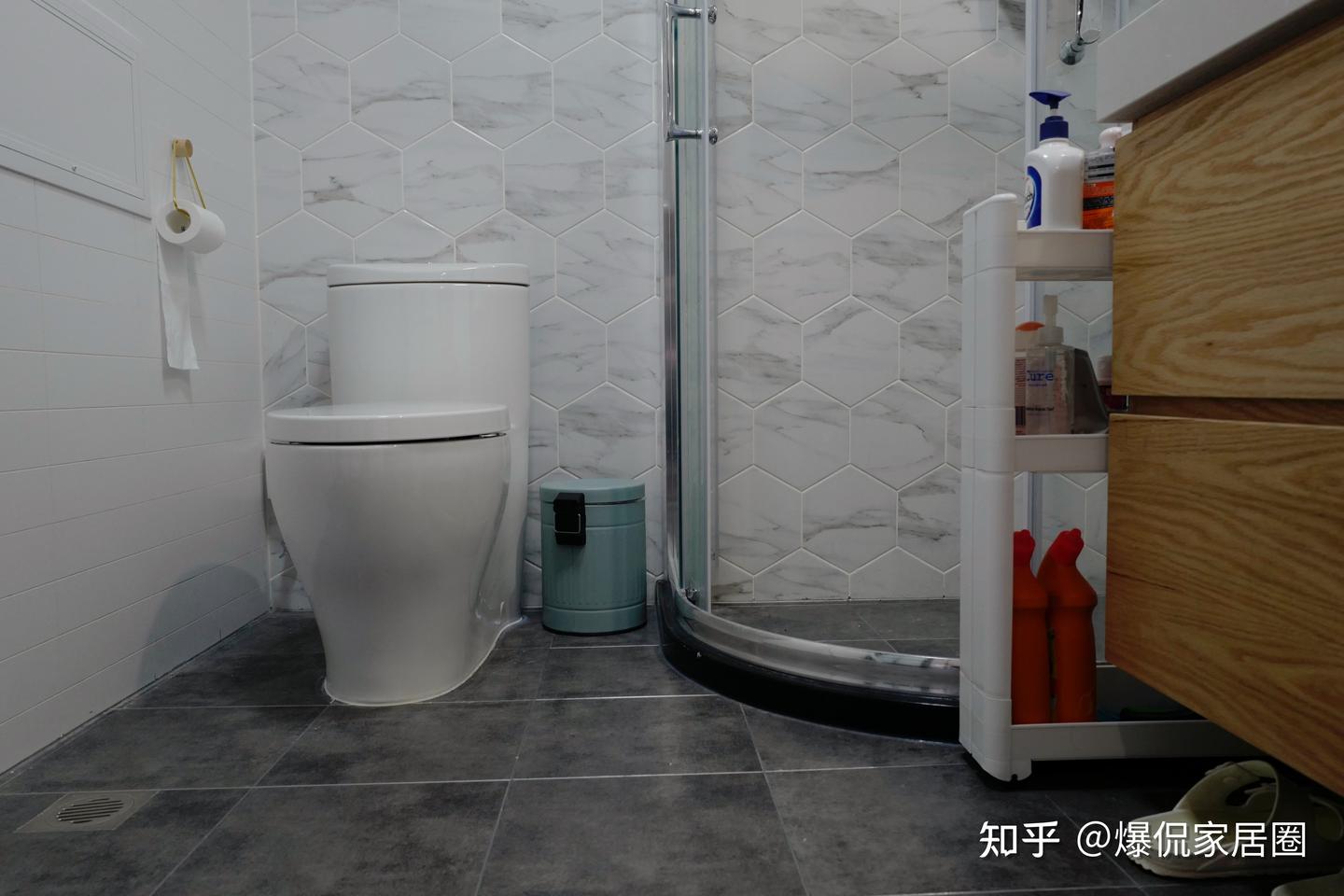
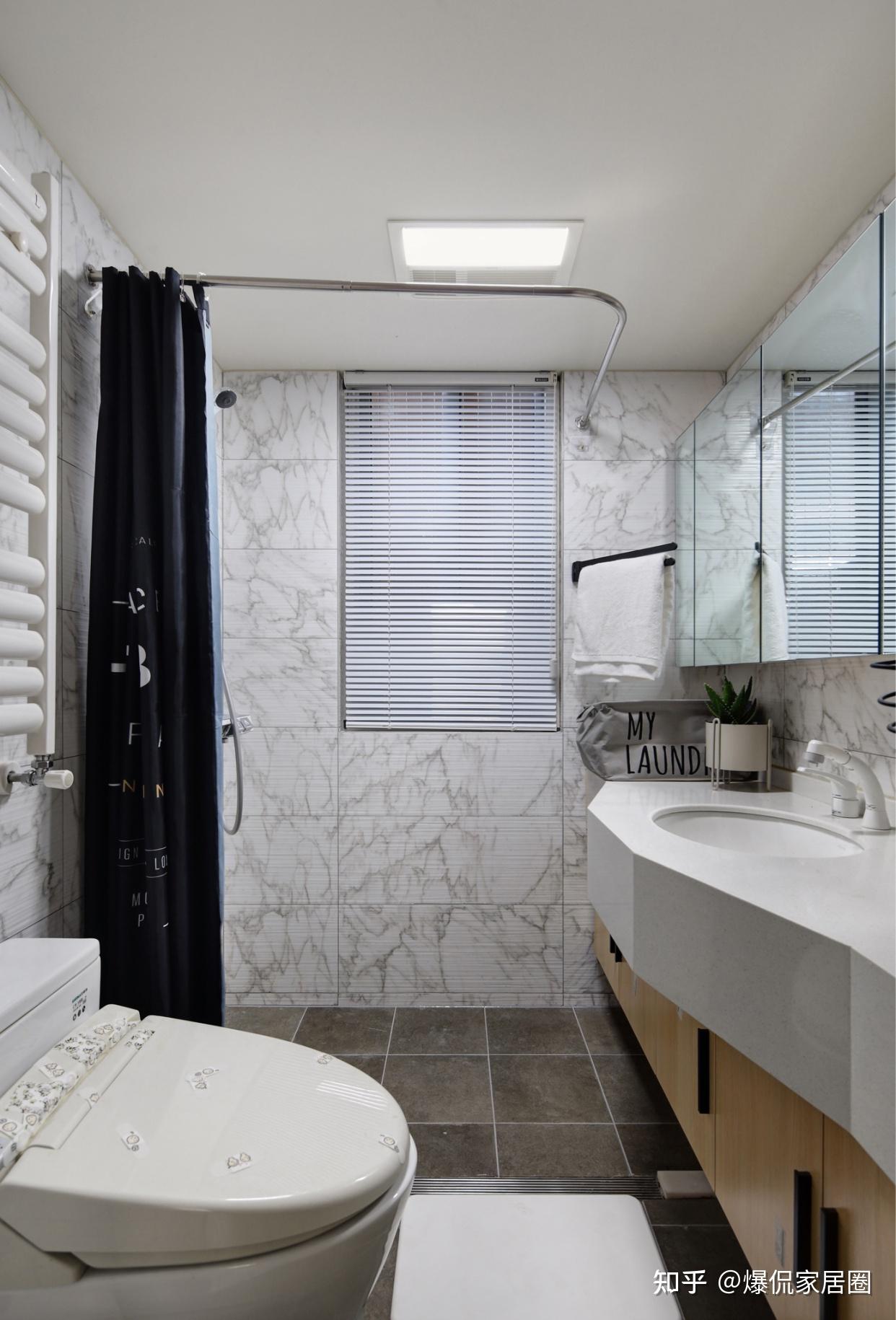
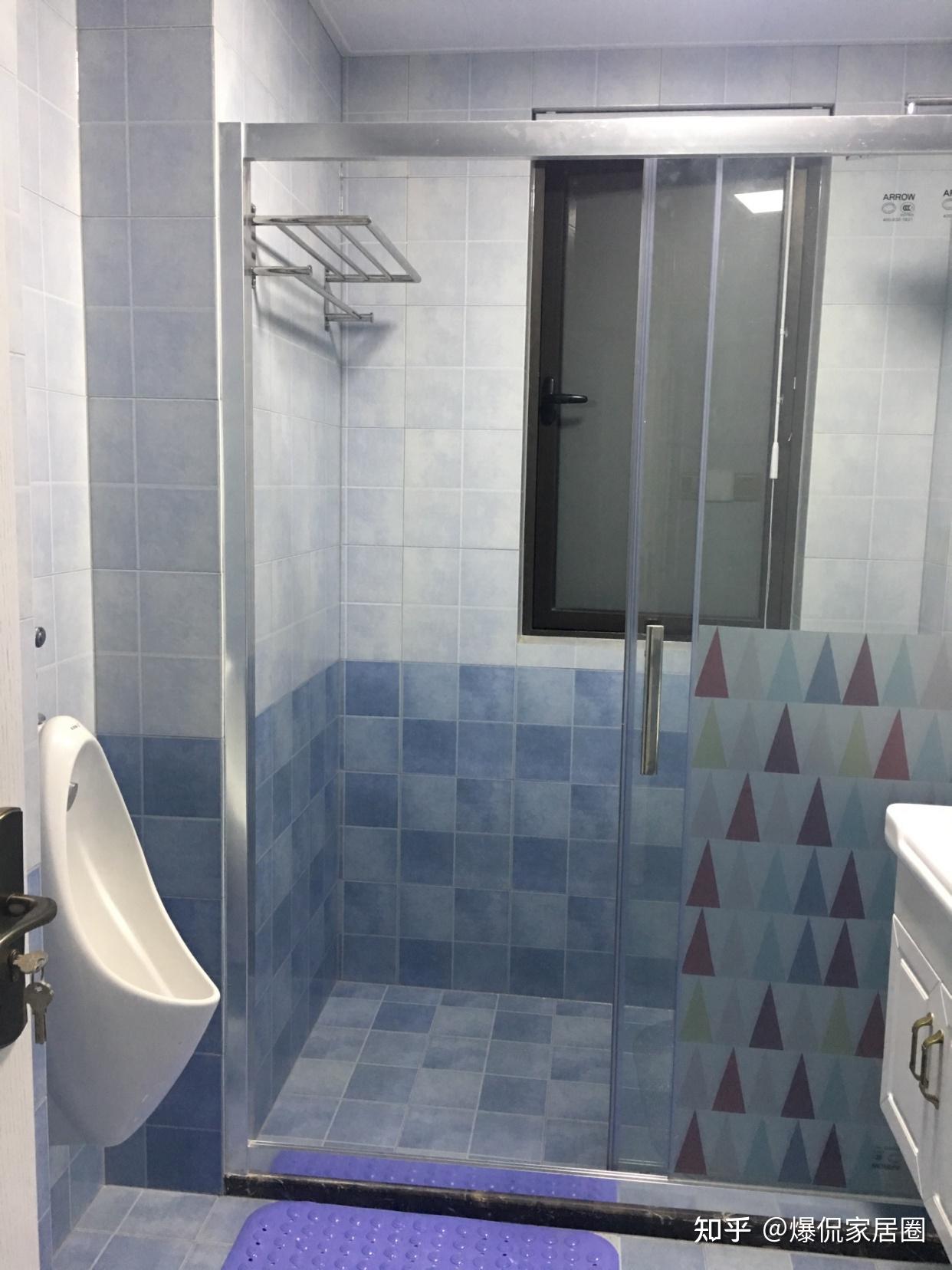
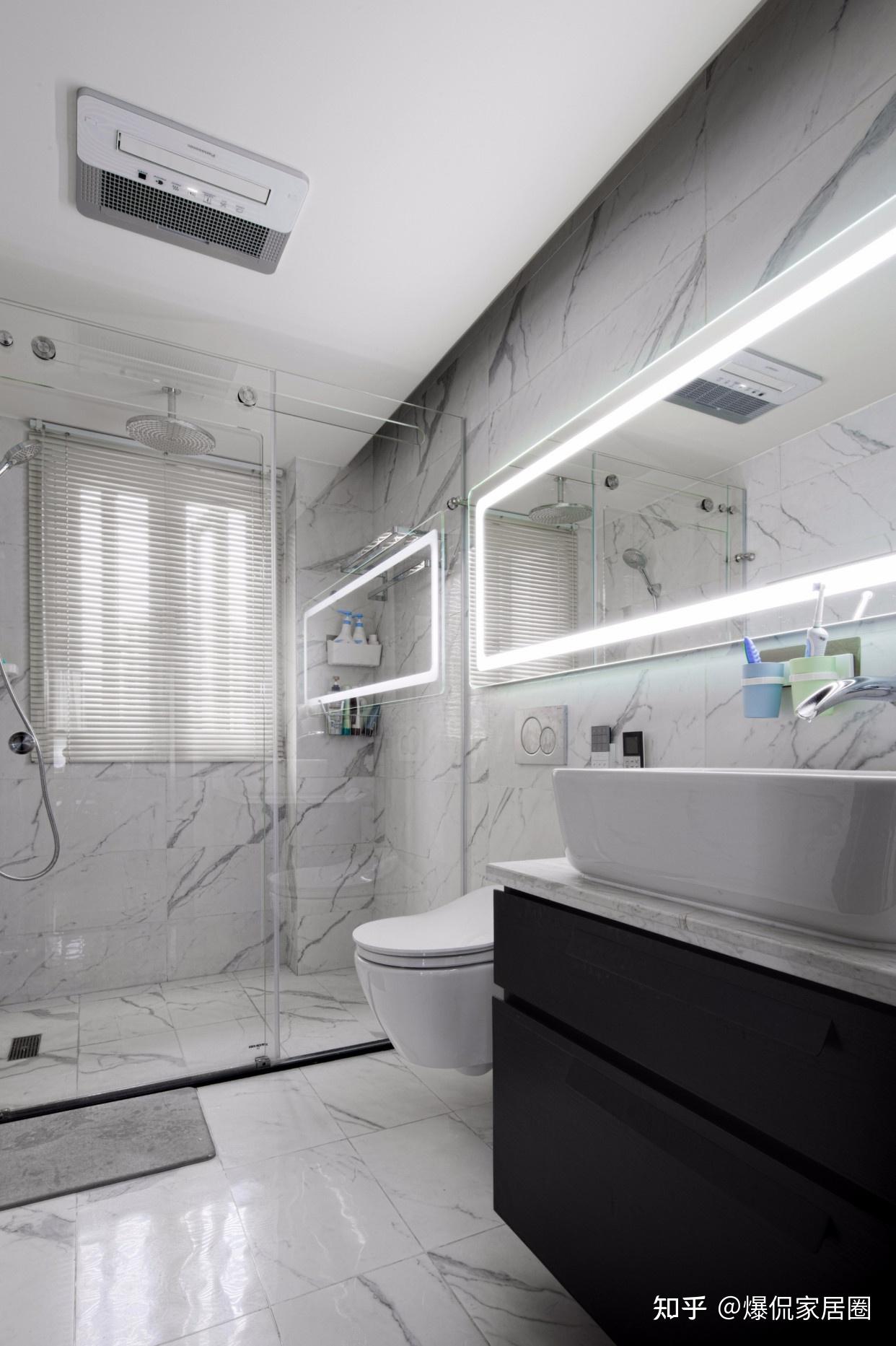
For kitchens, bathrooms, and balconies, use matte anti-slip tiles to prevent accidents; common sizes include 600x600mm or 600x900mm anti-slip antique tiles. Living rooms, kitchens, and dining areas often feature 800x800mm or larger tiles. TV walls are trending with 900x1800mm or 1200x2400mm continuous-pattern ceramic slabs. Bedrooms can utilize 150x900mm or 200x1200mm wood-look tile floors. Indoor walls work well with 600x1200mm or 900x1800mm thin slabs or larger panels for minimal seams and a premium appearance. Material selection depends on budget and room dimensions.
It is advisable to invest in higher-quality tiles initially, as redecoration is complex; aim for a one-time, proper installation to avoid future issues.




 WhatsApp contact me online