Part 1: 5 Principles for Buying Bathroom Tiles
When decorating a bathroom, selecting the right tiles is a crucial step. As a high-traffic and humid area, bathroom tiles must be both aesthetically pleasing and functional, offering features like anti-slip properties, water resistance, and durability.
So, how do you choose the best bathroom tiles?

Experienced renovation experts have compiled “5 buy and 5 don’t buy” tips to help you avoid pitfalls and make informed decisions. These insights can streamline your renovation process and prevent future regrets.
1. Buy tiles with excellent anti-slip performance
Bathroom floors are frequently wet, making slip resistance a top priority. For households with children or seniors, this is especially important. Tile slip resistance ratings range from R9 (lower resistance) to R13 (high resistance). Choose tiles rated R11 or higher for safety. Anti-slip tiles often feature textured or matte surfaces to increase friction and reduce accidents.

2. Buy tiles with low water absorption
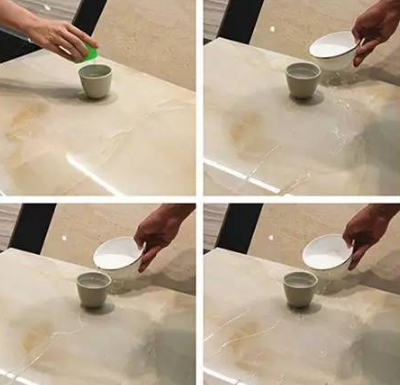
High humidity in bathrooms can lead to mold and deterioration, so low water absorption is key. According to standards, tiles with absorption below 0.5% are considered high-quality. Test by dripping water on the tile back—slow absorption indicates better performance. Low-absorption tiles enhance moisture resistance and longevity.
3. Buy tiles with strong wear resistance
Bathrooms endure heavy use, so tiles must be durable. Glazed and polished tiles are excellent choices due to their hard surfaces and scratch resistance. Durable tiles maintain their appearance and reduce cleaning efforts.
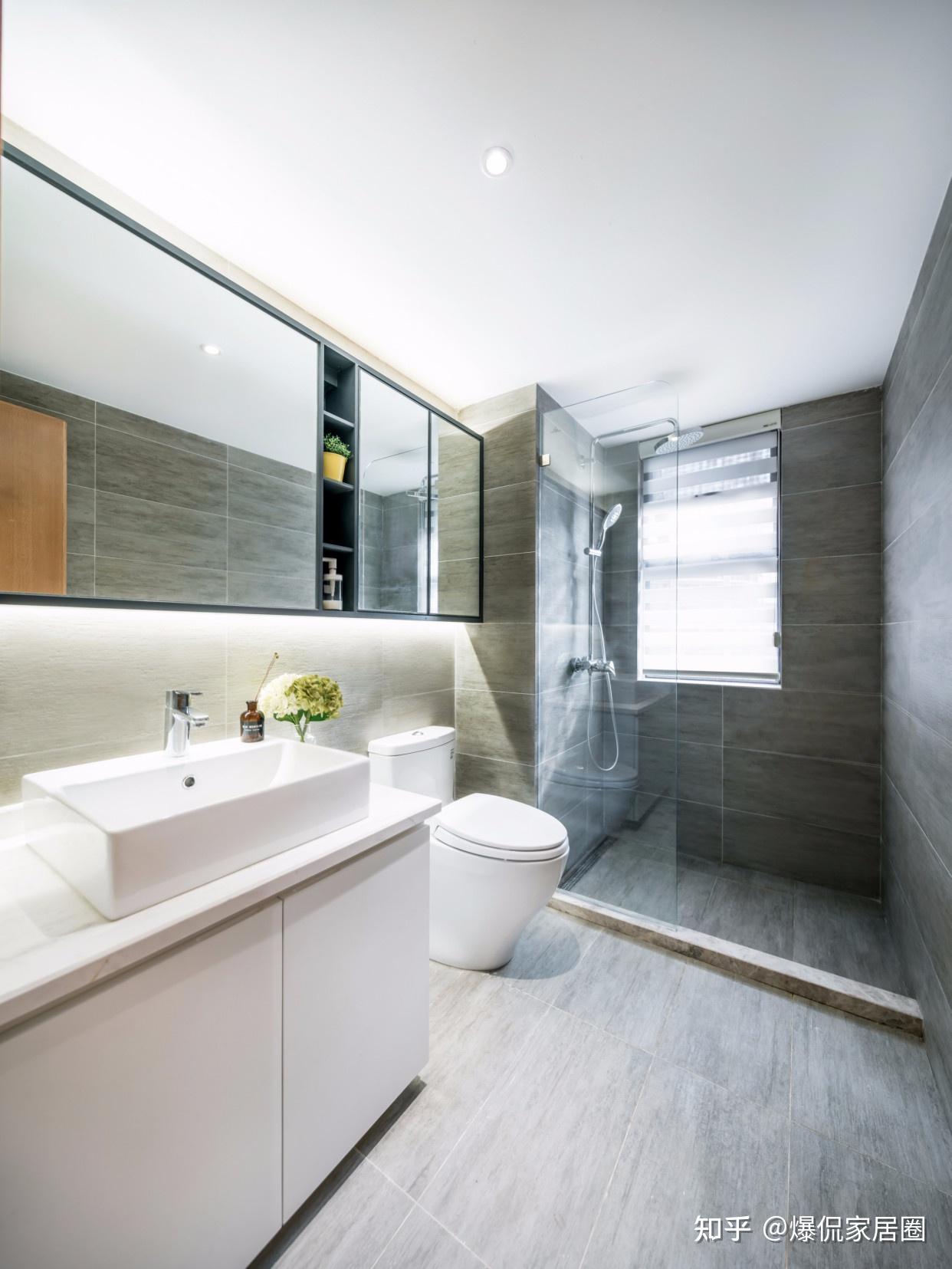
When selecting, scratch the surface with a hard object to check for marks and assess durability.
4. Buy tiles that are easy to clean
Bathrooms accumulate dirt, so easy-cleaning tiles are essential. Glazed tiles are ideal—they come in varied colors and patterns, with dense surfaces that resist stains. Regular cleaners suffice for maintenance. For walls, glossy tiles simplify wiping and prevent residue buildup.
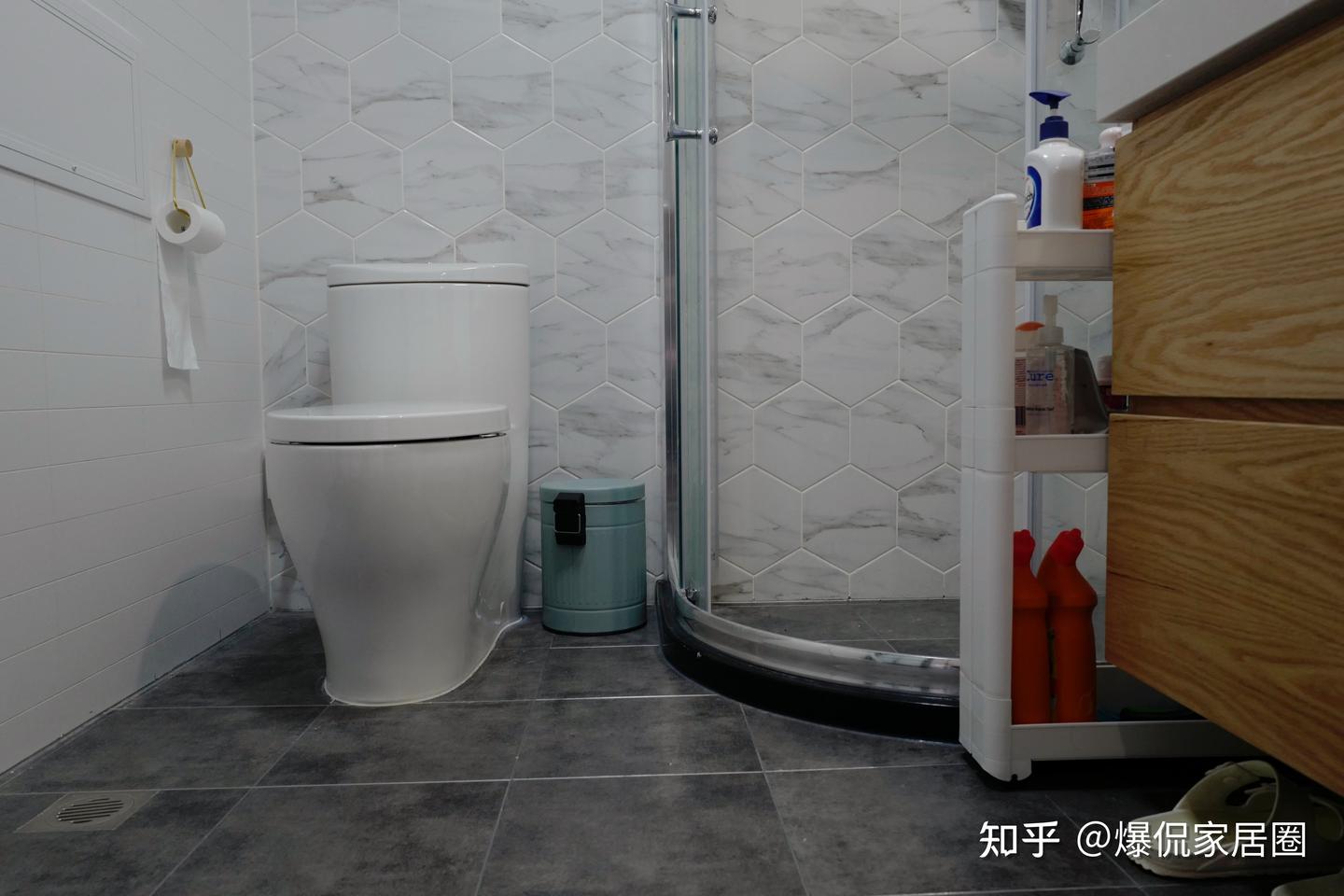
Consult retailers on cleaning methods or opt for smooth-surfaced tiles to minimize upkeep.
5. Buy tiles that match your home’s style
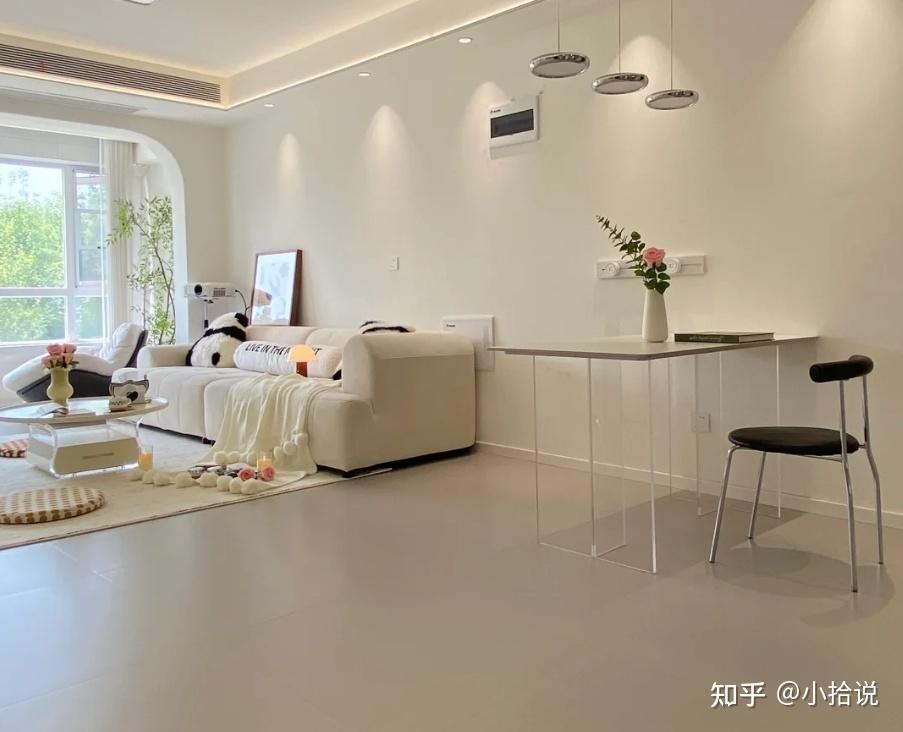
Tiles should blend functionality with aesthetics. Consider your overall decor to ensure colors and patterns harmonize. For small bathrooms, light-colored tiles create an illusion of space. Medium-sized bathrooms benefit from warm tones for coziness, while large bathrooms can use dark hues or large-format tiles for a bold look. Experiment with unique layouts to add depth.

Part 2: 5 Things to Avoid When Choosing Bathroom Tiles
1. Don’t buy overly smooth tiles
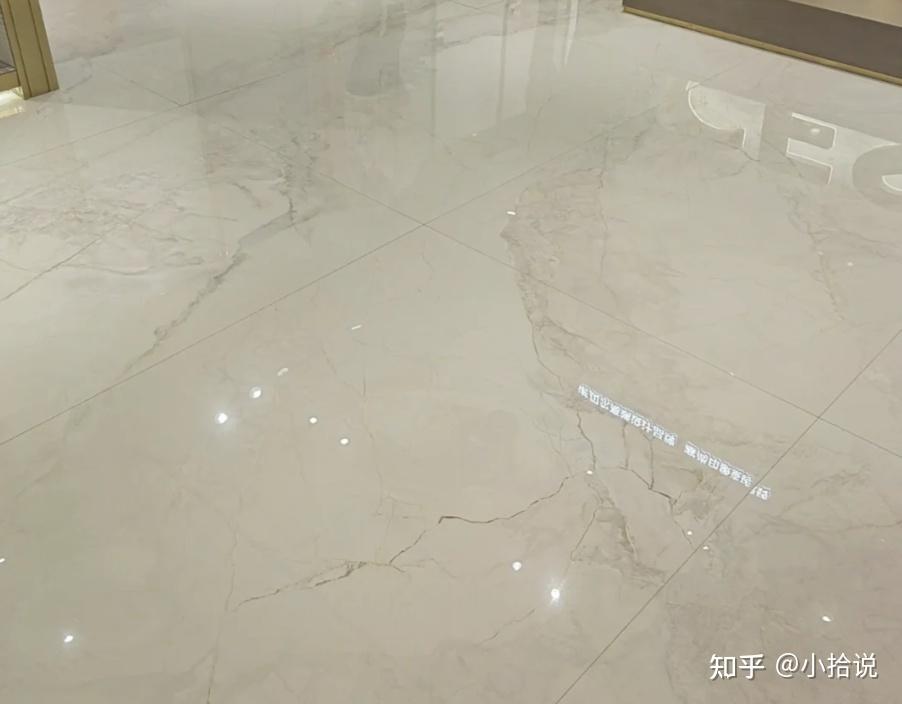
Smooth tiles may look appealing but become slippery when wet, posing safety risks. In humid bathrooms, opt for matte or textured tiles instead.
2. Don’t buy tiles with high water absorption
High-absorption tiles allow moisture penetration, leading to mold and reduced lifespan. Avoid tiles where water spreads quickly on the back.
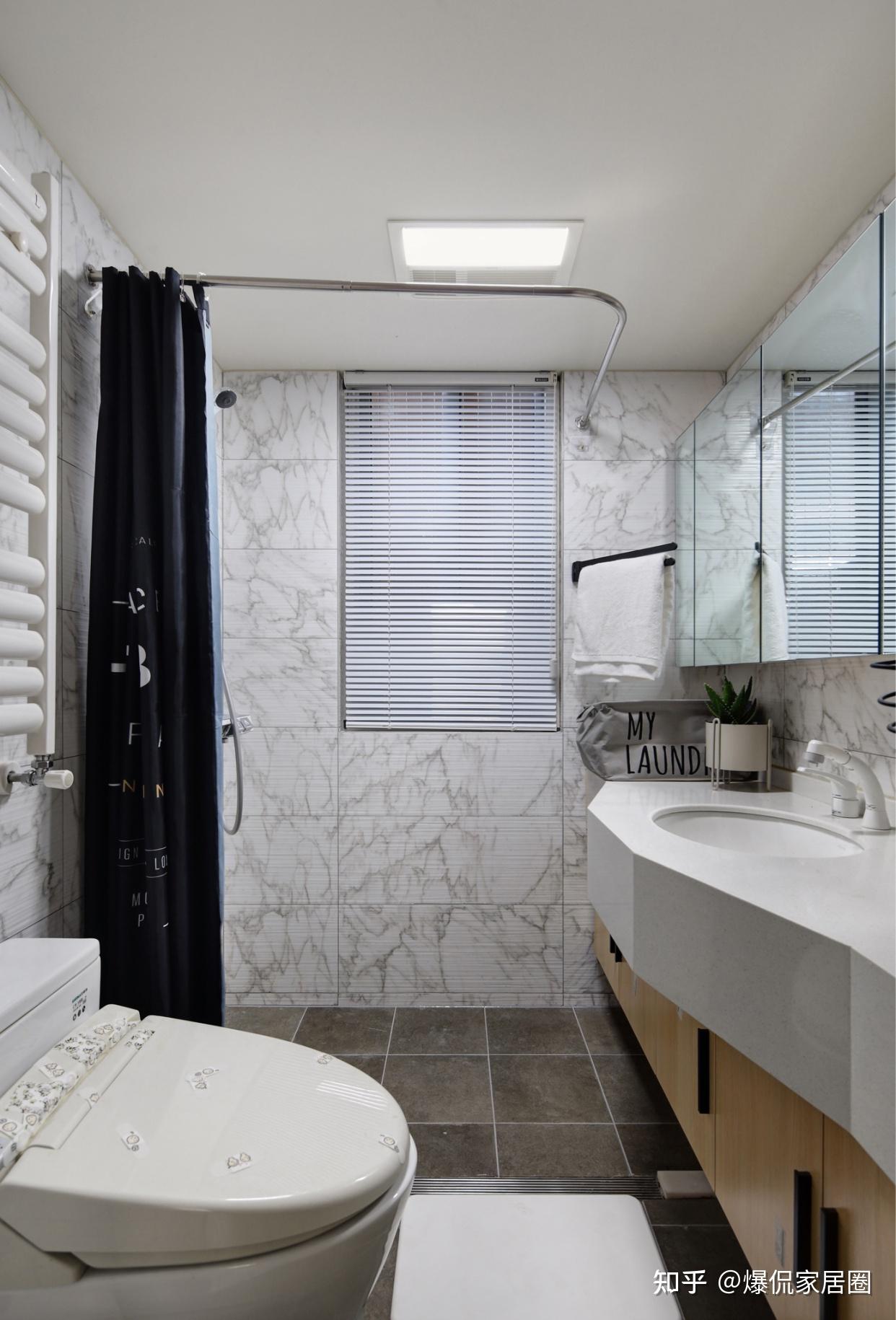
3. Don’t buy tiles with deep pits
Textured tiles might improve grip but trap dirt over time, making cleaning difficult. Choose smooth, stain-resistant tiles like glazed varieties to ease maintenance.

4. Don’t buy low-quality tiles
Tile quality impacts durability and appearance. Select reputable brands and verify authenticity through packaging. Inspect samples for cracks or color inconsistencies to avoid safety issues and premature wear.
5. Don’t buy tiles that clash with your home’s style
Ensure tiles complement your decor to maintain visual harmony. Mismatched colors or patterns can disrupt the overall ambiance, so prioritize coordination.
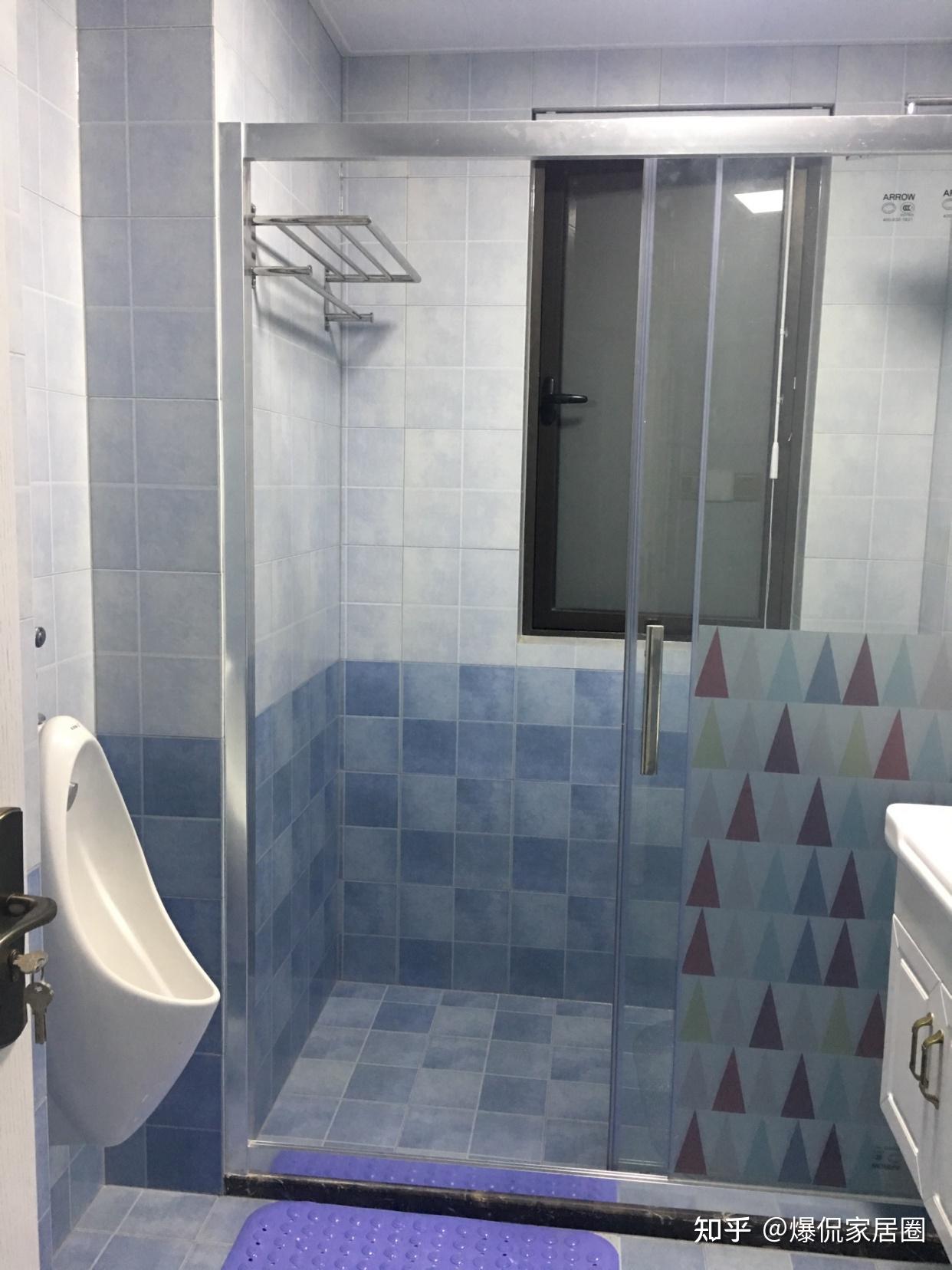
Additional Tips for Bathroom Tile Selection
Plan your budget wisely and compare brands for value. Consider long-term costs like cleaning. Reputable brands offer reliability, but affordable options can suffice if they meet standards. Check quality reports and user reviews. Assess tile size and installation methods—larger tiles with fewer seams enhance spaciousness, while layouts like straight or herringbone add personality. Lastly, prioritize eco-friendly tiles with low emissions for health and environmental benefits.
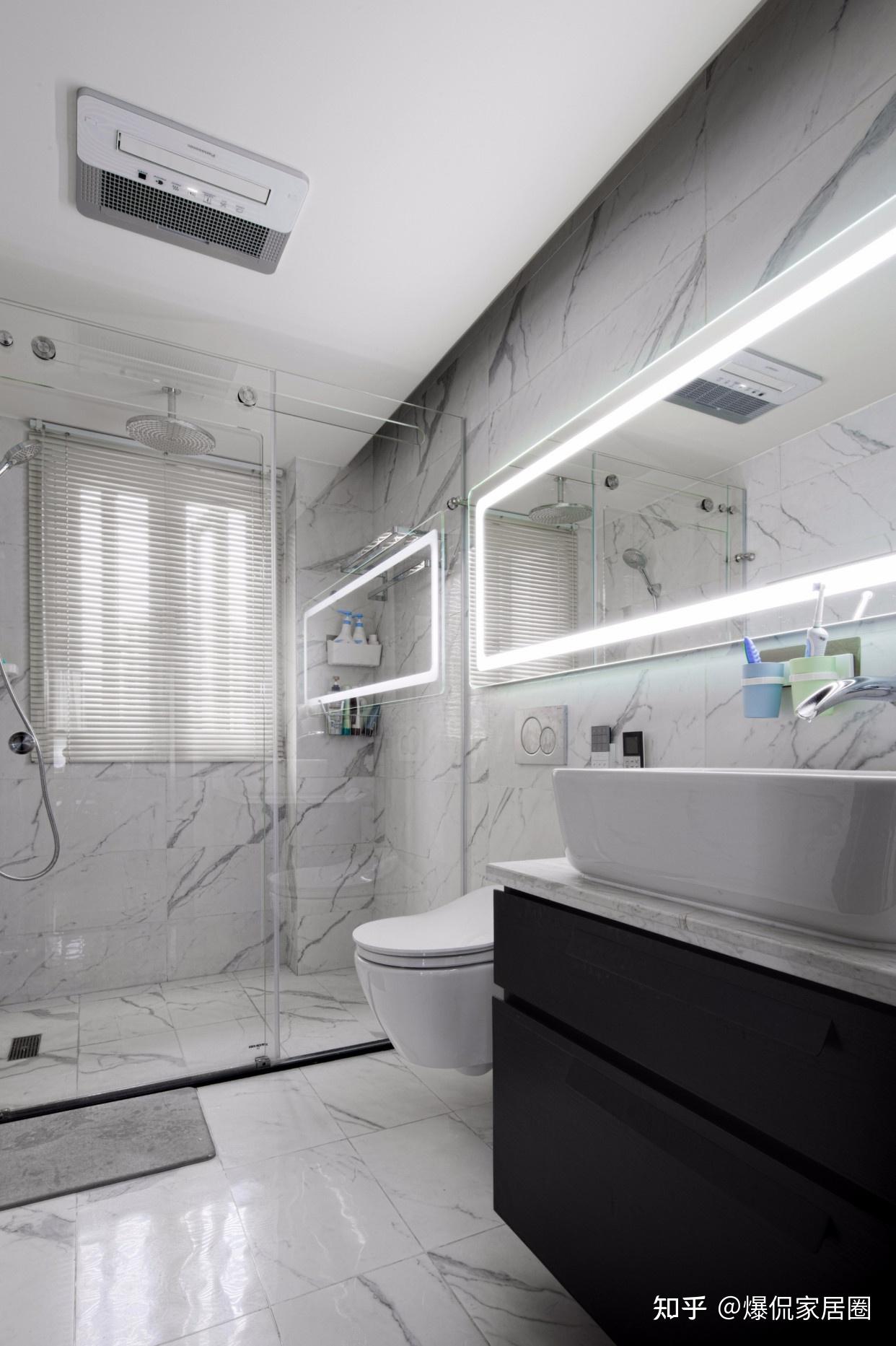
In summary, bathroom tile selection involves balancing safety, functionality, and style. By focusing on slip resistance, water absorption, durability, cleanability, and design coherence, you can create a beautiful and practical space. Use these tips to make smart choices and avoid common errors.



































 WhatsApp contact me online