

Minimalist vs Light Luxury Interior Design Guide for Large Homes Over 100 Square Meters – Expert Tips and Trends
For large homes over 100 square meters, 50% of homeowners choose minimalist style, 30% prefer light luxury style, and the remaining 20% opt for styles like simple European, European, or new Chinese style.
When discussing minimalist style, some people mistakenly label it as “cold and sterile,” but in reality, that’s just one aspect. Minimalist style can also incorporate warm and neutral color schemes.
Imagine using warm-colored elements such as wooden floors, furniture, and decor in your home design—this creates a cozy, simple, and even healing minimalist style. Can you still call it cold and sterile?
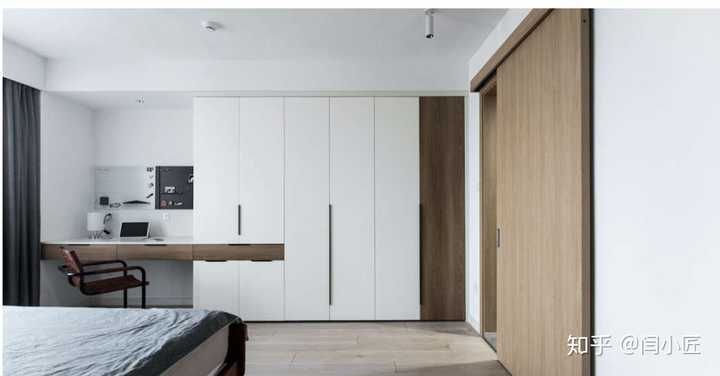
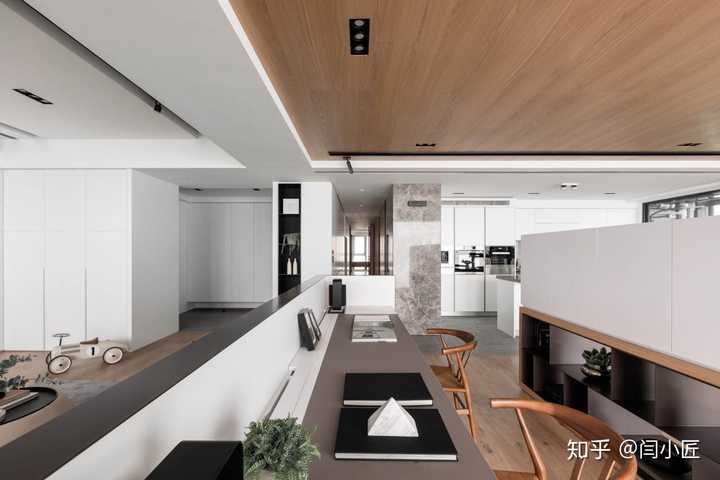
In fact, achieving a simple look is often more challenging than it appears. DIY minimalist design can easily end up looking barren and monotonous.
So, how can you achieve minimalist style?
1. Unified Color Scheme: Emphasize a primary色调. In minimalist design, color coordination is crucial, and a space should have a dominant色调 for visual balance. Typically, minimalist spaces use black, white, gray, and wood tones as the main palette.
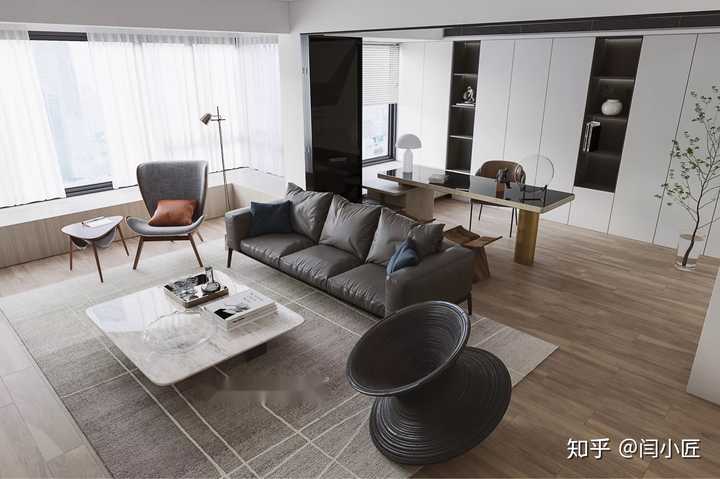
2. Eliminate Excessive Decor: Keep hard furnishings simple. Minimalist style follows the principle of “less is more,” focusing on essential elements.
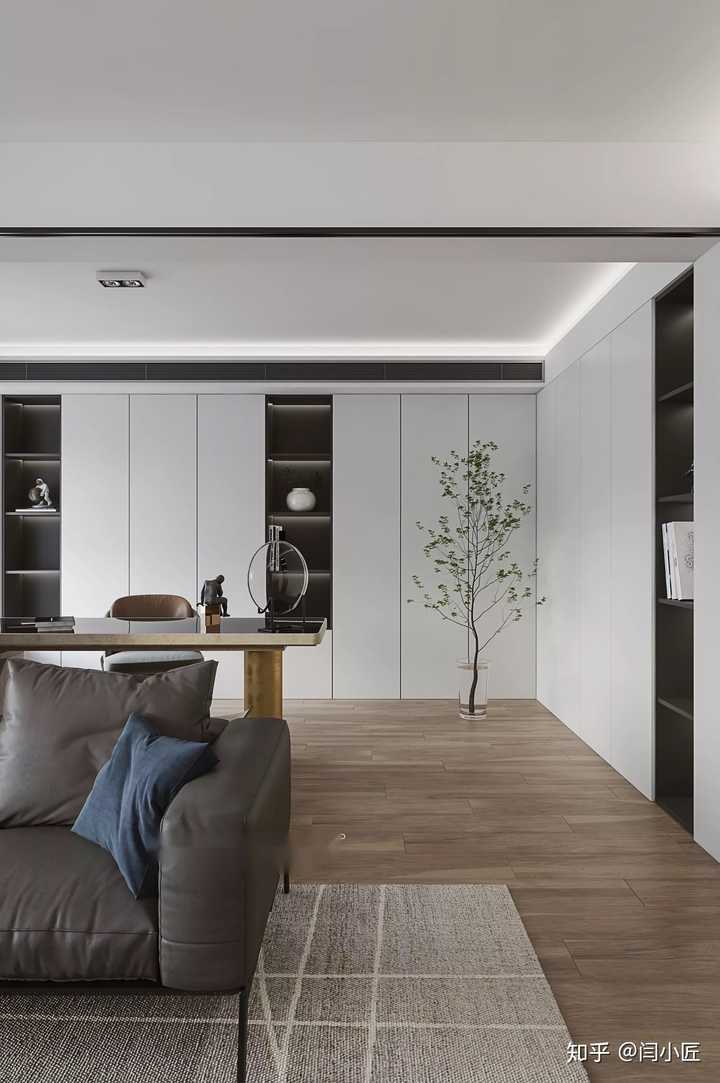
3. Whole-House Customization: This is the essence of minimalist style. Custom cabinets with sleek designs support the aesthetic, adding storage and enhancing the home’s layers and proportions.
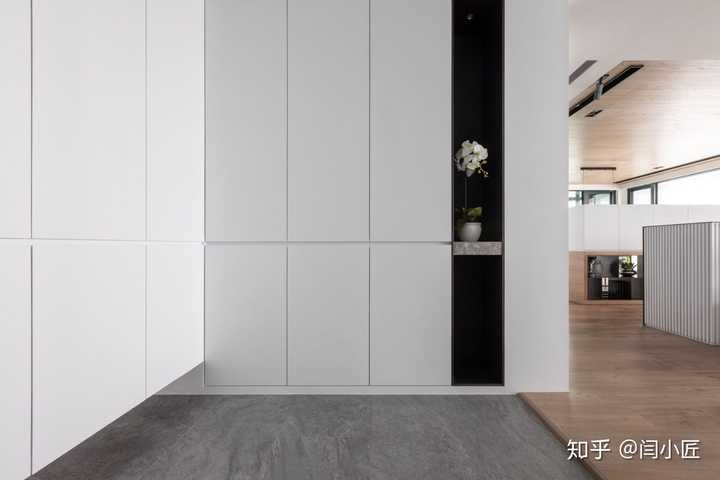
Light luxury style builds on minimalist foundations, replacing complex elements from styles like European or French with clean, straight lines. It uses premium materials and refined soft furnishings to highlight quality, embodying a high-end lifestyle.
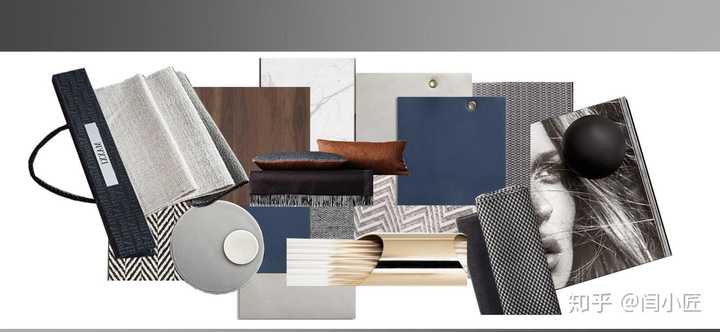
Light luxury isn’t about overt opulence but a subtle, luxurious atmosphere. High-quality custom furniture is essential, often featuring materials like lacquered panels, marble, stone slabs, and metal for sophistication.
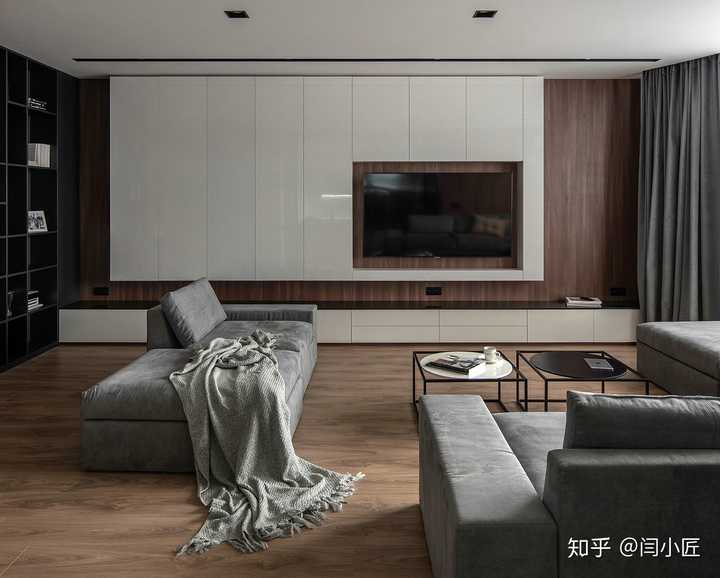
Light luxury can vary, including modern, French, Italian, or even Chinese and Japanese influences, requiring designer expertise for a restrained yet elegant outcome.
 WhatsApp contact me online